The Science of Bandaging: A Study on Sub-Bandage Pressure in Dogs
If you are interested in products and services related to the research phase in this field, please contact for further inquiries.
Bandaging is a fundamental technique in veterinary medicine, crucial for immobilization, stabilization, wound protection, and minimizing edema. However, improper bandage application can lead to serious complications such as vascular compromise, ischemia, edema, and necrosis. A recent study published in VCOT Open in 2019 by Vitt et al. provides valuable insights into the sub-bandage pressures applied by experienced surgeons and veterinary students on a dog's forelimb. This article delves into the science behind bandaging, focusing on the critical aspects of pressure application, variability, and the importance of proper training.
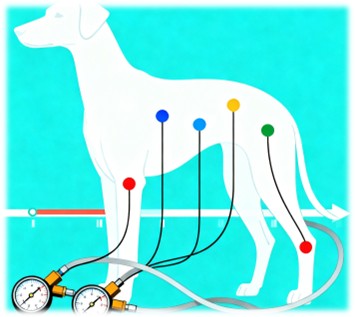
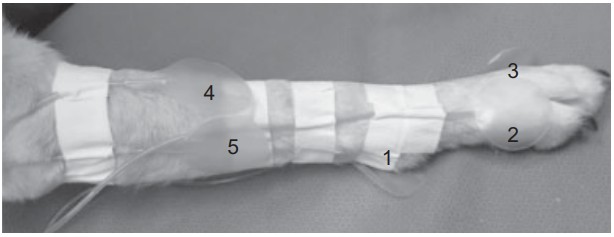 Fig.1 Photograph demonstrating method and placement of transducers on the forelimb of the dog used in this study prior to placement of a stockinette. (Vitt M. A., et al., 2019)
The Importance of Optimal Sub-Bandage Pressure
Optimal sub-bandage pressure is essential for effective immobilization and wound healing. When applied correctly, bandages provide support and protection, aiding in the recovery process. However, suboptimal pressure can lead to complications. For instance, excessive pressure can cause vascular compromise and ischemia, while insufficient pressure may fail to provide adequate support, leading to ineffective immobilization and potential movement over the region. The study by Vitt et al. highlights the significant differences in pressure application between experienced surgeons and veterinary students, emphasizing the need for standardized training and pressure measurement systems.
The Study Design and Methodology
The study involved one adult Labrador Retriever and included seven faculty surgeons and ten fourth-year veterinary students. The participants were instructed to apply a rigid splint to the dog's forelimb, assuming a chronic injury at the level of the carpus required stabilization. A pneumatic compression measurement system was used to measure sub-bandage pressure at five specific locations on the limb over a period of four hours. The locations selected for pressure measurement were the palmar aspect of the foot over the accessory carpal pad, the lateral and medial sides of the metacarpal-phalangeal joint, the cephalic vein at the middle of the radius, and the lateral side of the middle of the radius. These locations were chosen based on their relevance to common bandage complications and their anatomical significance.
Results and Analysis
Pressure Application by Surgeons vs. Veterinary Students
The study found that the mean sub-bandage pressures applied by the surgeons were significantly higher than those applied by the students at all transducer locations and at all time points. For instance, at the accessory carpal pad location, the mean pressure was 85.1 mm Hg for surgeons and 46.2 mm Hg for students immediately after bandage application. The surgeons' average sub-bandage pressure decreased significantly from hour 0 to hour 1, while the students' pressure remained relatively constant over time. This indicates that experienced surgeons are better at applying consistent pressure, which is crucial for effective immobilization and wound protection.
Variability in Pressure Application
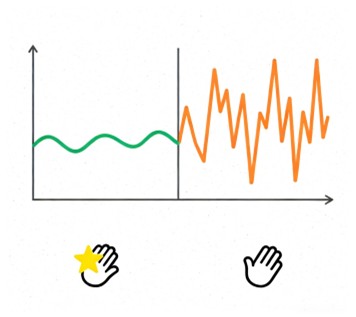
The study also highlighted significant variability in sub-bandage pressures applied by the students, with the greatest range of pressures observed. The average difference in pressure across the five locations was 88.08 mm Hg for students and 47.86 mm Hg for surgeons. This variability suggests that inexperienced individuals may struggle to apply consistent pressure during bandaging, leading to potential complications. The findings underscore the importance of proper training and the use of pressure measurement systems to ensure consistent and optimal pressure application.
The Role of Experience in Bandaging
The study's findings underscore the importance of experience in bandaging. Surgeons, with their extensive training and experience, applied bandages with greater pressure and less variability compared to veterinary students. This suggests that experience plays a crucial role in achieving optimal sub-bandage pressure. Proper training and hands-on experience are essential for veterinary students to develop the skills needed to apply bandages correctly and consistently. Incorporating pressure measurement systems and hands-on training could improve bandaging techniques and reduce the risk of complications.
Implications for Veterinary Training
The large range of sub-bandage pressures observed in the study indicates that current training methods may not be sufficient to teach veterinary students the appropriate amount of pressure to apply during bandaging. Incorporating pressure measurement systems and hands-on training could improve bandaging techniques and reduce the risk of complications. Future research should focus on developing standardized training programs that incorporate pressure measurement systems. Long-term studies on sub-bandage pressures and their effects on patient recovery are also needed. Additionally, exploring the impact of different bandaging materials and techniques on sub-bandage pressure could provide valuable insights for clinical practice.
Future Directions for Research
Future research should focus on developing standardized training programs that incorporate pressure measurement systems. Long-term studies on sub-bandage pressures and their effects on patient recovery are also needed. Additionally, exploring the impact of different bandaging materials and techniques on sub-bandage pressure could provide valuable insights for clinical practice. The study by Vitt et al. provides a foundation for further research into the science of bandaging and the development of improved training methods for veterinary students and practitioners.
Conclusion
The study by Vitt et al. highlights the critical role of experience in achieving optimal sub-bandage pressure. It underscores the need for improved training methods in veterinary medicine to ensure that bandages are applied correctly and consistently. By incorporating pressure measurement systems and hands-on training, veterinary students and practitioners can enhance their bandaging skills, ultimately leading to better patient outcomes and reduced complications. The findings emphasize the importance of continued research and development in the field of veterinary bandaging to improve clinical practices and patient care.
If you have related needs, please feel free to contact us for more information or product support.
Reference
- Vitt, Molly A., Daniel C. Wingert, and Michael G. Conzemius. "Sub-bandage pressure in the canine forelimb after rigid splint application by surgeons and veterinary students." VCOT Open 2.02 (2019): e30-e34.
This article is for research use only. Do not use in any diagnostic or therapeutic application.
Bandage Accessories Series