If you are interested in products and services related to the research phase in this field, please contact for further inquiries.
The integration of robotic technology into rehabilitation medicine marks a significant advancement in addressing the escalating demands for efficient and effective physical therapy solutions. As the global population ages, particularly in countries like South Korea, the need for rehabilitative care has surged. This demographic shift has led to increased financial burdens and highlighted the limitations of traditional, labor-intensive therapy methods. Robotic devices offer a promising solution by providing precise, standardized, and automated therapy sessions, thereby alleviating the strain on healthcare resources and ensuring consistent, high-quality care.
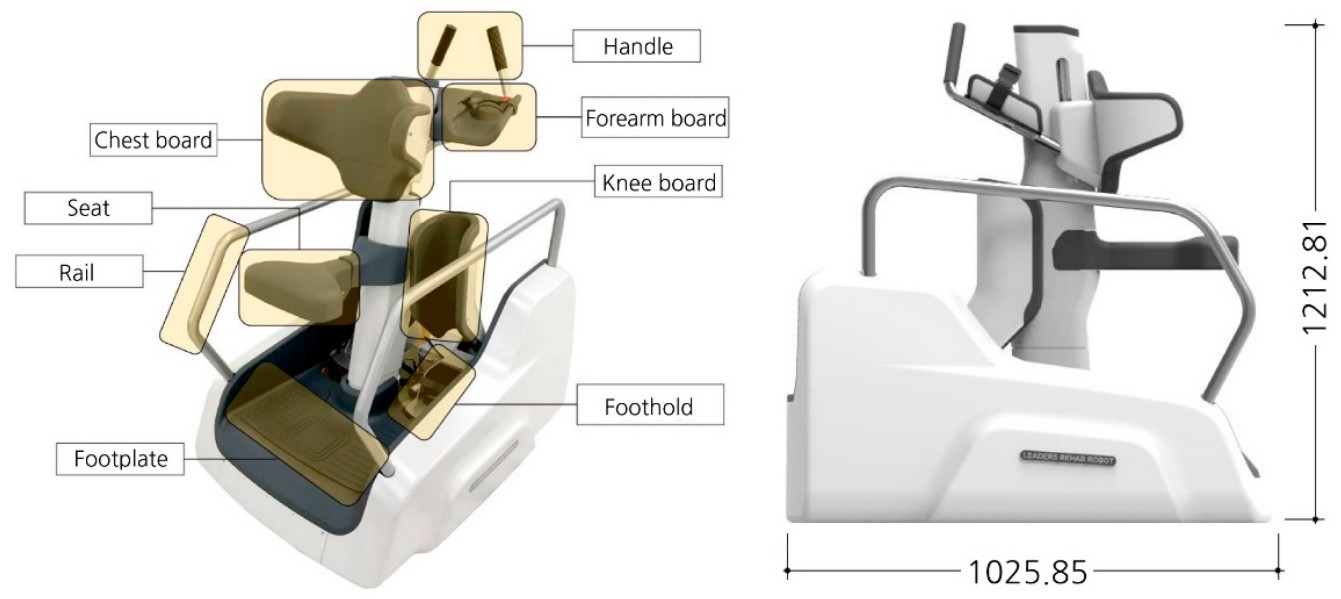 Fig.1 Rehabilitation robotic device tested in this study. (Kim T., 2020)
The Global Landscape of Rehabilitation Robotics
The market for rehabilitation robotic devices is experiencing rapid growth, driven by the increasing demand for innovative therapy solutions. Globally, the market is projected to expand from $40 million USD in 2014 to $1.8 billion USD by 2020, with a compound annual growth rate (CAGR) of 24.27%. In South Korea, the domestic market value is expected to rise from $7.6 million in 2014 to $65.2 million by 2020, at a CAGR of 43.1%. Despite these promising growth prospects, the adoption of rehabilitation robots faces several challenges, including complexity of use, lack of clinical trials demonstrating efficacy, and high costs. These factors, combined with the nascent stage of the market, underscore the need for robust research and development efforts to enhance the usability and effectiveness of these devices.
Usability: The Cornerstone of Effective Rehabilitation Devices
The success of any medical device, particularly in the context of rehabilitation, hinges on its usability. Usability encompasses not only the functional aspects of a device but also the user experience (UX), which is crucial for ensuring consistent and effective use. A human-centered approach in the design and development of rehabilitation robotic devices is essential to address the diverse needs of users, including healthcare professionals, patients, and caregivers.
Visual Pertinence and Aesthetic Design
Visual pertinence, which refers to the relevance and appropriateness of the device's visual design, emerged as a critical factor influencing user confidence and overall satisfaction. An aesthetically pleasing design can create a positive first impression, influencing users' perceptions of usability even before they interact with the device. This "halo effect" of aesthetics suggests that users are more likely to perceive a visually appealing device as usable, regardless of its actual performance. By integrating usability insights into the visual design of rehabilitation robotic devices, developers can enhance user experience and foster greater acceptance and adoption of these technologies.
Factors Influencing Usability
Recent research has identified several key factors that influence the usability of rehabilitation robotic devices for lower limbs. These factors can be broadly categorized into general quality factors and device-specific factors. General quality factors include visual pertinence, use confidence, and safety, while device-specific factors encompass aspects such as piggybacking, transferring, supporting body weight, holding the body, sitting, and getting on/off. These factors highlight the importance of considering posture and body positioning in the design of rehabilitation devices to ensure comfort and effectiveness.
Use Confidence and Safety
Use confidence and safety are paramount in the context of rehabilitation devices. Users must feel confident in their ability to operate the device effectively and safely. This confidence is influenced by the device's intuitiveness, learnability, and perceived reliability. Safety, on the other hand, encompasses the device's trustworthiness and security, ensuring that users feel protected during therapy sessions. These factors are crucial for fostering user trust and ensuring consistent use of the device.
Discrepancies in Usability Evaluations
One of the key findings in recent studies is the discrepancy in usability evaluations among different user groups. ANOVA tests revealed significant differences in the perceived importance of factors such as visual pertinence, transferring, and holding the body. Laypeople consistently rated these factors higher than UX professionals, indicating that different user groups have distinct perspectives and needs. This highlights the necessity of involving diverse user groups in the evaluation process to capture a comprehensive understanding of usability.

User-Centered Design and Evaluation
A human-centered approach in the design and evaluation of rehabilitation devices is essential for addressing the varied needs and experiences of all potential users. User-centered design (UCD) involves engaging users throughout the development process to identify potential barriers and risks, ensuring that the final product aligns with user needs and mental models. This approach is particularly important in medical devices, where errors can have severe consequences.

The Role of SMEs in Usability Testing
For small and medium-sized enterprises (SMEs) in the medical device industry, usability testing is often constrained by financial and human resource limitations. Discount usability tests, which involve a small number of users, are commonly employed due to their efficiency and lower costs. However, these tests may not capture the full spectrum of user diversity and potential usability issues. The findings suggest that while discount usability tests have their merits, a more inclusive approach is necessary to ensure that devices meet the needs of a broader user base.
Enhancing Visual Design through Usability Insights
The findings on expected usability highlight the importance of visual design in shaping user perceptions. Visual pertinence, in particular, emerged as a critical factor influencing user confidence and overall satisfaction with the device. An aesthetically pleasing design can create a positive first impression, influencing users' perceptions of usability even before they interact with the device. This "halo effect" of aesthetics suggests that users are more likely to perceive a visually appealing device as usable, regardless of its actual performance.
- Integrating Usability Insights into Design
By integrating usability insights into the visual design of rehabilitation robotic devices, developers can enhance user experience and foster greater acceptance and adoption of these technologies. This involves considering factors such as visual pertinence, use confidence, and safety in the design process. An aesthetically pleasing design can create a positive first impression, influencing users' perceptions of usability even before they interact with the device. This initial impression can significantly impact the user's willingness to engage with the device and their overall satisfaction with the therapy experience.
- The Halo Effect of Aesthetics
The "halo effect" of aesthetics suggests that users are more likely to perceive a visually appealing device as usable, regardless of its actual performance. This effect is based on the social psychological principle that a physically attractive person is considered to possess more positive personality traits than an unattractive person. Similarly, in usability tests, the attitude toward a product designed aesthetically during the very early stage of product interaction influences the later appreciation of the other characteristics of the product. This indicates that creating a positive impression in terms of aesthetics from the viewpoint of the user is essential for enhancing the overall usability of the device.
Conclusion
The integration of robotic devices into rehabilitation medicine represents a significant leap forward in addressing the challenges posed by an aging population and limited healthcare resources. The success of these devices hinges on their usability, which is influenced by a complex interplay of factors. By adopting a human-centered approach and involving diverse user groups in the design and evaluation process, developers can create devices that are not only technologically advanced but also user-friendly and effective.
The findings of recent studies underscore the importance of visual pertinence, use confidence, and safety as critical factors influencing the usability of rehabilitation robotic devices. The discrepancies in usability evaluations among different user groups highlight the necessity of inclusive testing and design practices. As the rehabilitation robotics market continues to grow, it is imperative for SMEs and the broader industry to embrace these insights to develop devices that meet the diverse needs of users and ultimately enhance the quality of rehabilitation care.
By focusing on usability and user experience, the future of rehabilitation robotics holds the promise of more efficient, effective, and accessible therapy solutions, paving the way for a healthier and more mobile global population.
If you have related needs, please feel free to contact us for more information or product support.
Reference
- Kim, Taesun. "Factors influencing usability of rehabilitation robotic devices for lower limbs." Sustainability 12.2 (2020): 598.
This article is for research use only. Do not use in any diagnostic or therapeutic application.
Lower Limb Fixation Series