If you are interested in products and services related to the research phase in this field, please contact for further inquiries.
Crutches are essential mobility aids designed to support individuals with impaired mobility, particularly the elderly and those recovering from injuries. Despite their necessity, traditional crutches often carry a stigma that discourages their use. This stigma is rooted in the negative associations with aging and disability, which can lead to reluctance among potential users. To address this issue, modern crutch design must balance aesthetic appeal with user familiarity, ensuring that these devices are both functional and socially acceptable.
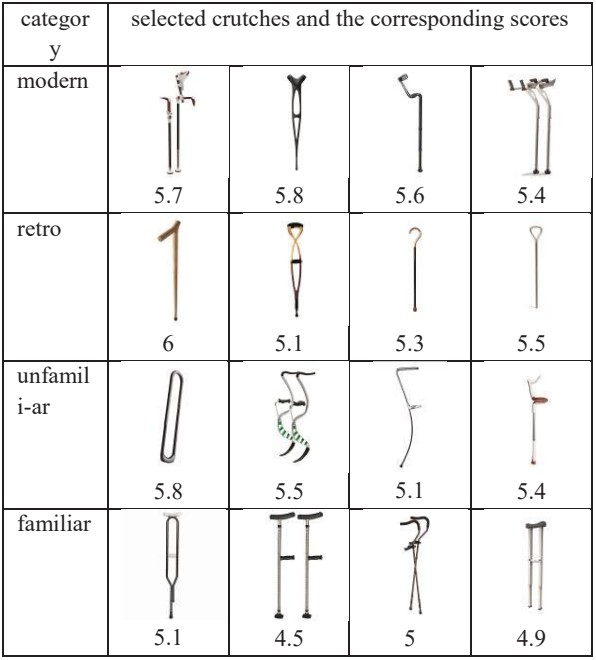 Fig.1 Scores of the selected 20 crutches. (Kuo J. Y., et al., 2021)
The Stigma of Traditional Crutches
Traditional crutches are often perceived as outdated and associated with negative connotations of frailty and aging. This perception is exacerbated by their design, which typically features a straight wooden form and basic functionality. Studies have shown that the elderly and disabled often reject these devices due to their negative image, despite their necessity for preventing injuries and aiding mobility. The challenge lies in redesigning crutches to be more modern and appealing while maintaining their essential functionality.
The Role of Design in Crutch Acceptance
Design plays a pivotal role in the acceptance of crutches by users. Modern designs aim to break away from traditional stereotypes and create a more positive impression. However, modernity must be balanced with familiarity to ensure user acceptance. Research has demonstrated that innovative designs, while visually appealing, can be perceived as unfamiliar or strange, leading to reluctance in adoption. Therefore, crutch design must strike a balance between modern aesthetics and user familiarity to promote acceptance and use.
Modernity vs. Familiarity in Crutch Design
Modern Crutches: Aesthetic Appeal vs. User Acceptance
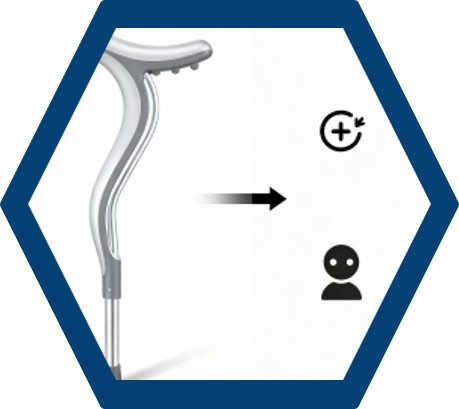
Modern crutches, characterized by their curved forms, achromatic colors, and materials like metal or plastic, are designed to be visually appealing and contemporary. These designs score high on modernity but often low on familiarity. Descriptions such as "technological," "modern," "special," and "innovative" highlight the aesthetic appeal of these crutches, but terms like "strange," "weird," and "unfamiliar" indicate potential discomfort among users. This dichotomy presents a challenge for designers aiming to create crutches that are both modern and user-friendly.
Traditional Crutches: Comfort in Familiarity
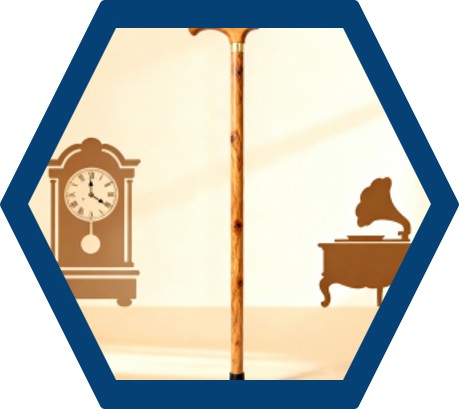
Traditional crutches, often made of wood and featuring a straight form, are perceived as more familiar and retro. These designs are described using terms like "simple," "retro," "traditional," "nostalgia," "ordinary," "old-fashioned," and "common," which highlight their familiarity and acceptance among users. The challenge for designers is to retain this familiarity while incorporating modern elements to enhance functionality and appeal.
Gender and Age Differences in Crutch Perception
Age-Related Differences
Research indicates that elderly participants (age >40) are more likely to associate wooden materials with a retro impression, suggesting a stronger connection between material and familiarity in this age group. This finding underscores the importance of considering age-specific preferences in crutch design to enhance user acceptance.
Gender-Related Differences
Gender differences in crutch perception are also notable. Male participants generally find crutches to be more unfamiliar and modern than female participants, indicating potential gender biases in the perception of form and material. Designers must consider these differences to create crutches that are universally accepted.
Design Strategies for Modern and Familiar Crutches
- Combining Modern Materials with Traditional Forms
One effective strategy involves combining modern, luxurious materials with traditional forms. This approach allows users to quickly identify the crutch's function while experiencing a high-quality, contemporary design. By blending the familiarity of traditional forms with the aesthetic appeal of modern materials, designers can create crutches that are both functional and visually appealing.
- Adopting Forms from Other Daily Objects
Another strategy is to adopt the forms of other everyday objects, such as umbrellas, to create a more familiar and less intimidating design. This approach can shift the first impression of crutches away from negative stereotypes and towards a more positive, relatable image. By drawing inspiration from familiar objects, designers can create crutches that are more likely to be accepted and used by the elderly.
Future Work and Practical Implications
The findings from crutch design studies highlight the importance of balancing modernity and familiarity in crutch design. Future work should focus on implementing these design strategies in practical crutch designs and evaluating their effectiveness in real-world settings. By creating crutches that are both modern and familiar, designers can help reduce the stigma associated with these devices and encourage their use among the elderly and disabled.
Conclusion: A Step Towards Inclusive Design
The quest for modern yet familiar crutch designs is not just about aesthetics; it is about creating tools that promote independence and dignity for users. By understanding the delicate balance between modernity and familiarity, designers can create crutches that are both functional and socially acceptable. The proposed design strategies provide a roadmap for future research and development, ultimately contributing to a more inclusive and supportive design for mobility aids. In conclusion, the redesign of crutches is a significant step towards a more inclusive and supportive society.
If you have related needs, please feel free to contact us for more information or product support.
Reference
- Kuo, Jui-Yu, and Wei-Chi Chien. "Modern but Friendly: An Exploration of Crutches' Form Design." ADADA+ CUMULUS 2021.
This article is for research use only. Do not use in any diagnostic or therapeutic application.
Crutches Series