
Explore & Learn

Explore & Learn

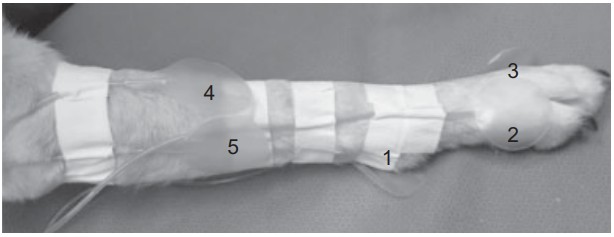
The Science of Bandaging: A Study on Sub-Bandage Pressure in Dogs
Bandaging is a fundamental technique in veterinary medicine, crucial for immobilization, stabilization, wound protection, and minimizing edema. However, improper bandage application can lead to serious complications such as vascular compromise,...

Learn More

Bio-Sensors Integrated with Wearable Smart Bandages

Smart bandages represent a significant leap forward in the integration of wearable technology and healthcare. These advanced medical devices combine traditional wound care with sophisticated electronic sensors, offering real-time monitoring...

Learn More

The Future of Mobility: How Augmented Crutches Are Revolutionizing Rehabilitation

The advent of augmented crutches marks a pivotal moment in the evolution of assistive technology, offering a transformative solution for individuals navigating mobility challenges. This innovation leverages digital augmentation to...

Learn More

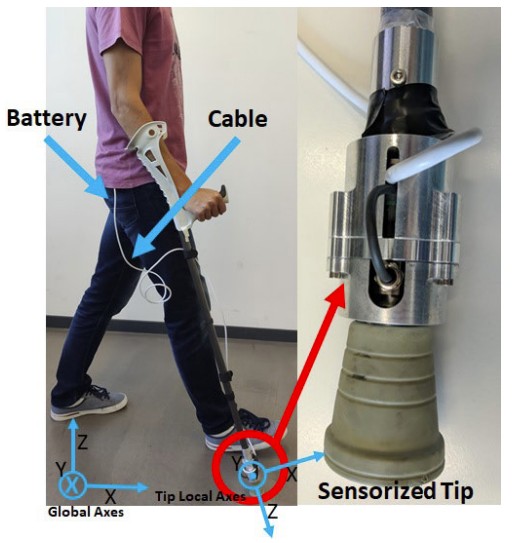
Transforming Rehabilitation: Harnessing Machine Learning with the Sensor-Equipped Crutch Tip

The field of rehabilitation has long been in need of innovative solutions to enhance the recovery process for individuals with mobility impairments. Traditional methods, while effective to a certain extent,...

Learn More

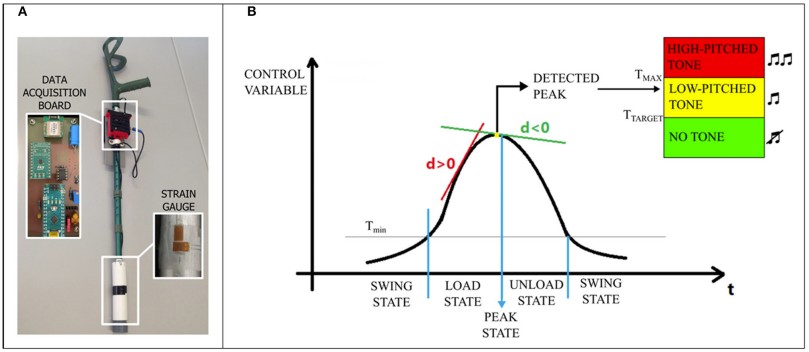
The Power of Auditory Feedback in Crutch-Assisted Rehabilitation: A Breakthrough in Neurorehabilitation

Auditory feedback (aFB) represents a significant advancement in the field of neurorehabilitation, particularly for individuals with central nervous system (CNS) lesions. These lesions, often resulting from conditions such as stroke,...

Learn More

Revolutionizing Mobility Aids: The Open-Source 3D Printable Forearm Crutch

In the realm of medical devices, innovation often hinges on the delicate balance between affordability, accessibility, and functionality. The advent of open-source 3D printable forearm crutches marks a significant stride...

Learn More

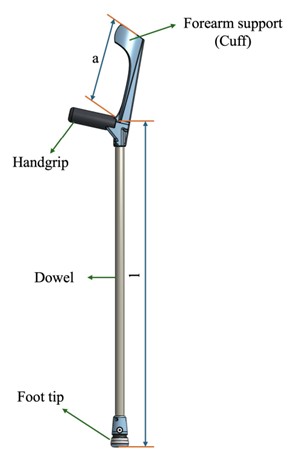
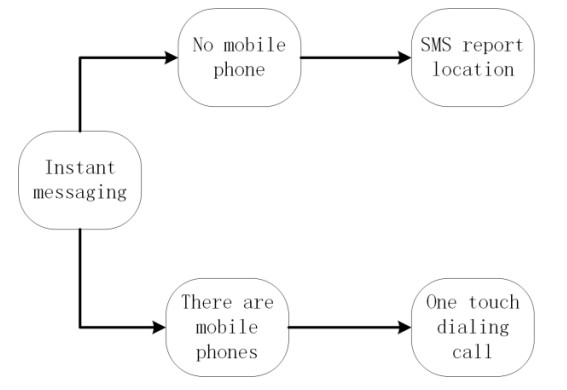
The Future of Elderly Mobility: The Multi-Function Intelligent Crutch

The multi-function intelligent crutch represents a significant leap forward in assistive technology for the elderly. As populations age globally, the need for innovative solutions to support elderly mobility and safety...

Learn More

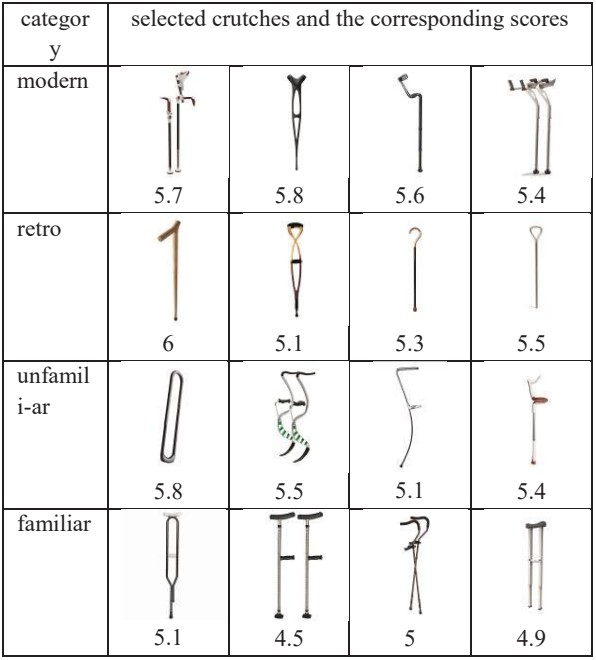
An Exploration of the Form Design for Crutches

Crutches are essential mobility aids designed to support individuals with impaired mobility, particularly the elderly and those recovering from injuries. Despite their necessity, traditional crutches often carry a stigma that...

Learn More

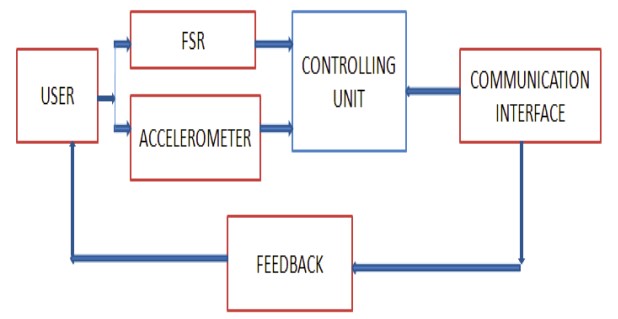
Intelligent Crutches: A Leap Forward in Rehabilitation Technology

Intelligent crutches represent a significant advancement in the field of medical rehabilitation devices. Traditional crutches have long been a staple for individuals recovering from injuries or surgeries, but their functionality...

Learn More

A Dataset Comprising Surface Electromyogram, Kinematic, and Kinetic Information of Lower Limb Walking for Movement Intent Recognition

Intelligent human-machine synergy systems (IHMSS) represent a pivotal advancement in the integration of human physiology and artificial intelligence. These systems, encompassing rehabilitation equipment, active prostheses, and exoskeletons, are designed to...

Learn More

Design and Comprehensive Evaluation of a Wedge-Shaped Adaptive Knee Orthosis Intended for Human Lower Limbs

Knee osteoarthritis (KOA) is a prevalent degenerative joint disease, primarily affecting the middle-aged and elderly populations. Characterized by cartilage degradation, bone overgrowth, and joint inflammation, KOA significantly impacts mobility and...

Learn More

A Comprehensive Review on Employing Additive Manufacturing for Lower Limb Orthoses Production

Orthoses, including exoskeletons and fracture fixation devices, are essential tools in orthopedics, designed to support, stabilize, and immobilize limbs, thereby enhancing mobility and improving the quality of life for individuals...

Learn More

How Robotic Devices are Transforming Lower Limb Therapy

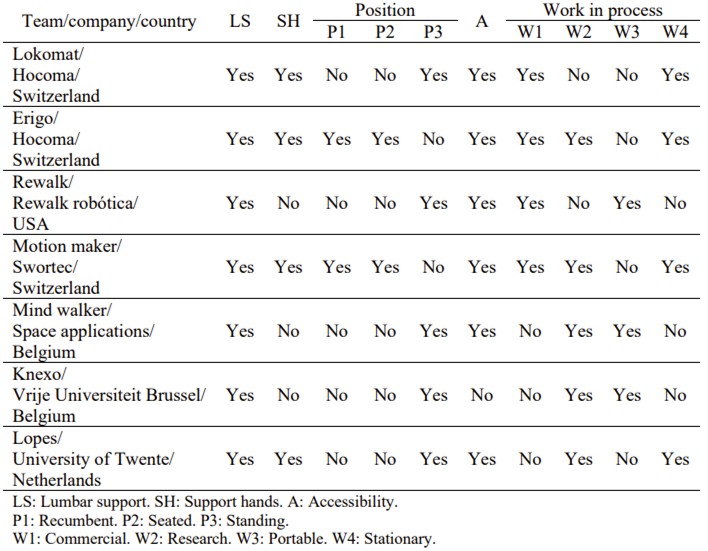
The integration of robotic technology into rehabilitation medicine marks a significant advancement in addressing the escalating demands for efficient and effective physical therapy solutions. As the global population ages, particularly...

Learn More

The Rise of Lower-Limb Exoskeletons: A Leap Towards Enhanced Mobility and Independence

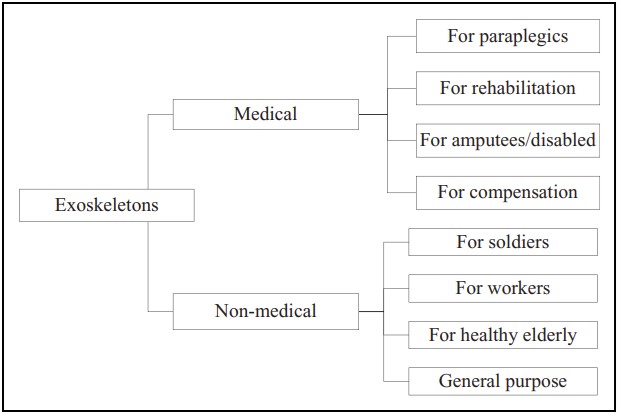
Lower-limb exoskeletons represent a significant leap in wearable robotics, offering enhanced mobility and independence to individuals with mobility impairments. These devices, which can be categorized into medical and non-medical applications,...

Learn More

Customized External Fixation Devices for Lower Limb Injuries

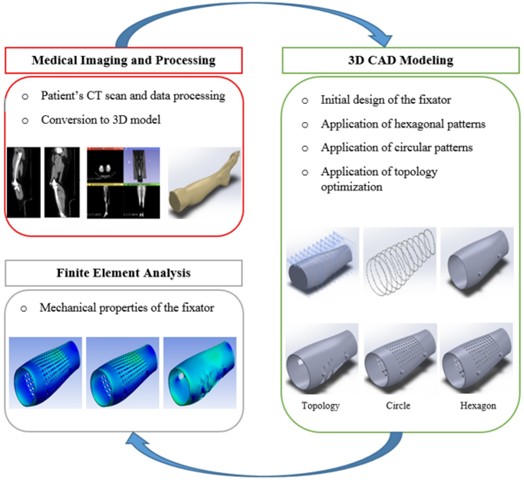
Orthopedic external fixation has long been a cornerstone in the treatment of complex lower limb injuries. However, traditional external fixators often fall short in addressing the unique anatomical variations of...

Learn More

Support and Fixation System for Body Segments in Nukawa Lower Limb Rehabilitation Apparatus

The field of rehabilitation has seen significant advancements with the advent of robotic exoskeletons, and the Nukawa exoskeleton system stands out as a pioneering development in this domain. Designed to...

Learn More

An Evaluation and Comparison of the Antibacterial Efficacy and Wound-Healing Capabilities of Medical-Grade Honey and Silver-Based Products in Burn Treatment

Burn wounds pose a significant challenge in modern medicine, with complications often arising from bacterial infections and prolonged healing times. Traditional treatments, such as silver-based dressings, have long been the...

Learn More

The Science of Self-Myofascial Release: How Roller Massages Boost Lower Back Health and Performance

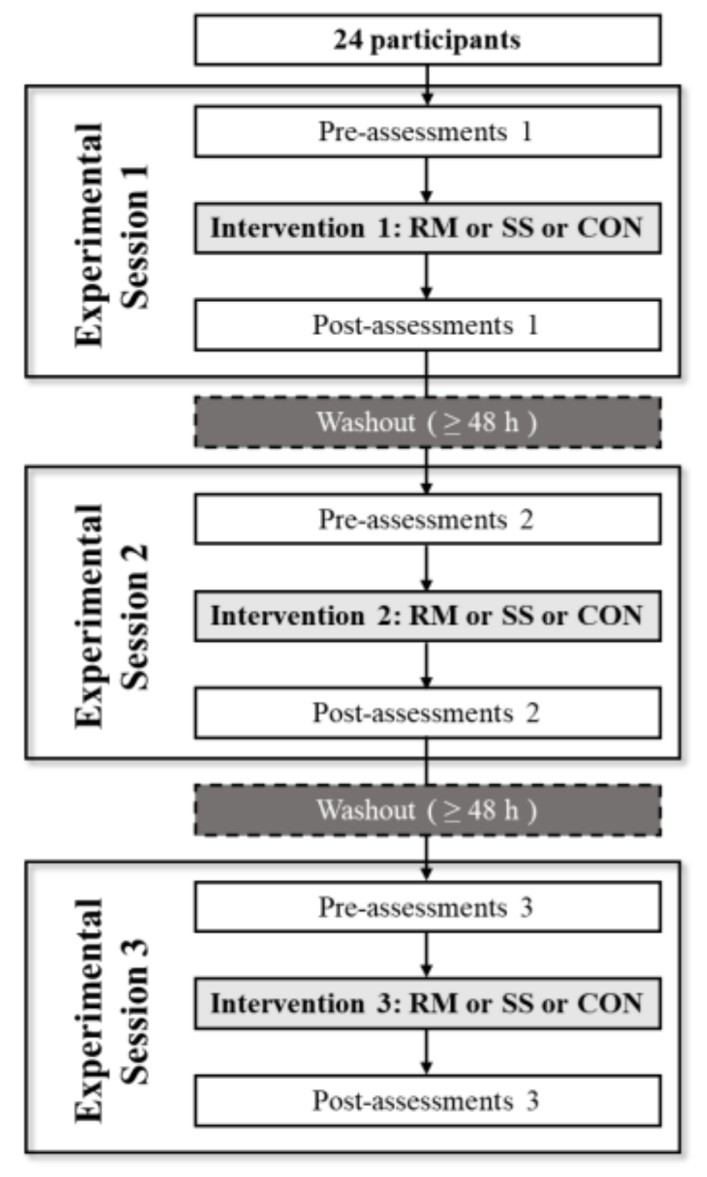
Self-Myofascial Release (SMR) has garnered significant attention in the realm of sports medicine and rehabilitation due to its potential to enhance physical performance and mitigate musculoskeletal issues. SMR, often executed...

Learn More

A Comprehensive Review of Sensor-Based Wearable Systems for Human Motion and Posture Monitoring

The integration of advanced sensor technology into wearable devices has significantly enhanced the precision and reliability of human motion monitoring. Traditional sensors, such as accelerometers and gyroscopes, have been the...

Learn More

The Science and Application of Functional Orthopedic Compression Textiles

Functional orthopedic compression textiles represent a critical segment of medical devices, offering targeted support and therapeutic benefits for a wide range of medical conditions. This article provides an in-depth exploration...

Learn More

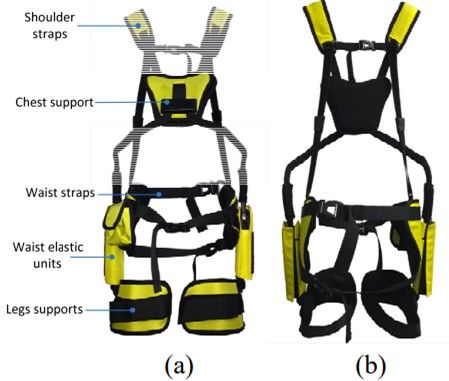
The Rise of Industrial Exoskeletons: A Leap Towards Safer and More Efficient Workplaces

Industrial exoskeletons represent a transformative innovation in the realm of workplace safety and efficiency. These wearable devices are designed to augment human capabilities, providing additional support and reducing the physical...

Learn More

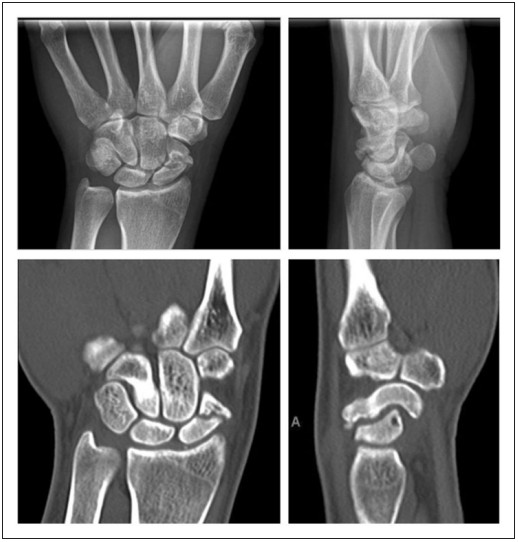
The Evolution of Scaphoid Fracture Nonunion Treatment: A New Approach with Volar Plate Fixation

Scaphoid fractures represent a significant challenge in orthopedic surgery, particularly when they result in nonunion. The scaphoid bone, located in the wrist, is crucial for wrist stability and function. Due...

Learn More

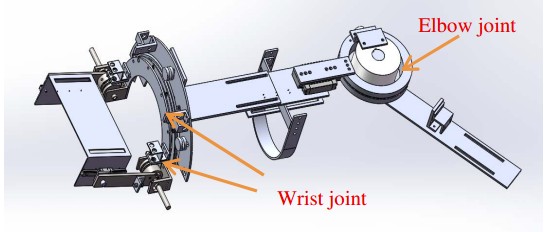
The Future of Stroke Rehabilitation: A New Exoskeleton Robot for Upper Limb Recovery

Stroke, a leading cause of long-term disability, often results in significant impairment of upper limb motor functions. Traditional rehabilitation methods, while effective to some extent, face limitations in terms of...

Learn More

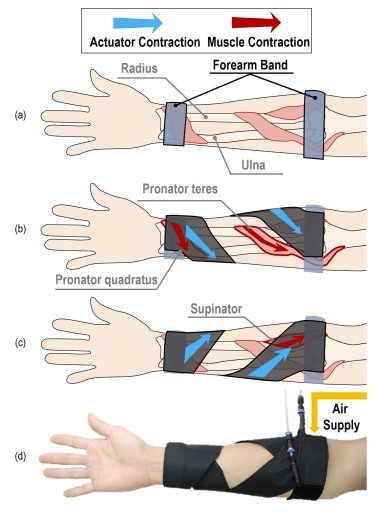
Soft Wearable Robotics: A New Frontier in Rehabilitation

Soft wearable robotics represents a transformative leap in rehabilitation technology, offering a more comfortable, effective, and accessible solution for patients recovering from various physical impairments. This article explores the innovative...

Learn More

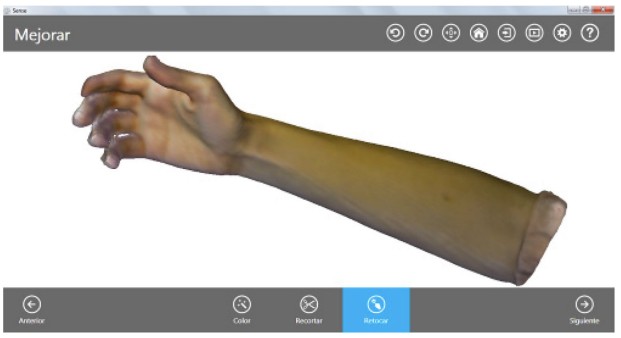
Revolutionizing Orthopedics: The Future of 3D Printed Arm Splints

Additive manufacturing (AM), commonly known as 3D printing, has revolutionized various industries, and orthopedics is no exception. Traditional orthopedic treatments, particularly the use of custom-made splints, have long been a...

Learn More

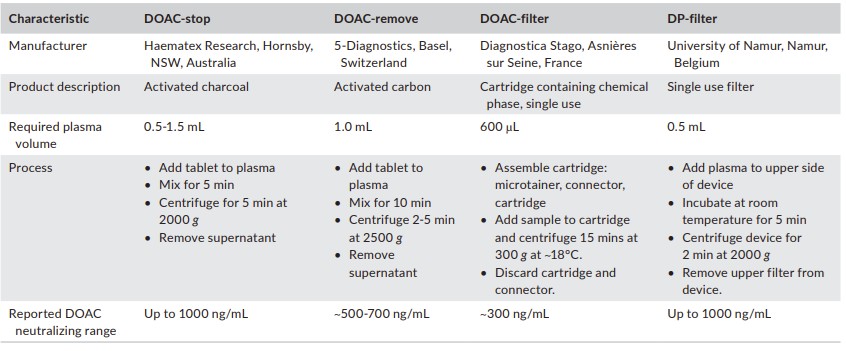
A Comprehensive Review of Preanalytical Variables in Coagulation Assays Along with an Updated Analysis of the Impact of Direct Oral Anticoagulants

Coagulation testing is a critical component in the diagnosis and management of various hematological disorders. These tests provide essential insights into the clotting mechanisms of blood, aiding in the identification...

Learn More

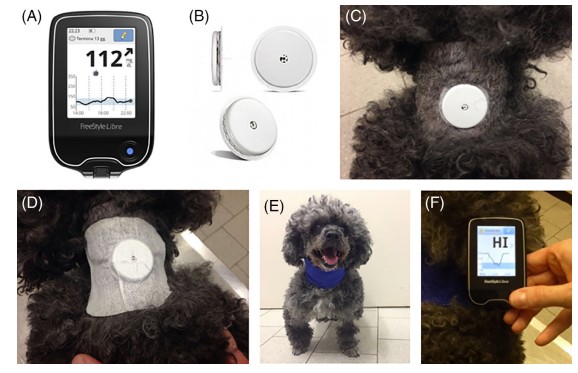
Precision Assessment of a Flash Glucose Monitoring System in Canine Patients with Diabetic Ketoacidosis

Diabetic ketoacidosis (DKA) is a severe metabolic complication of diabetes mellitus in dogs, characterized by hyperglycemia, ketosis, and acidosis. This condition is life-threatening and requires immediate veterinary intervention. Traditional management...

Learn More

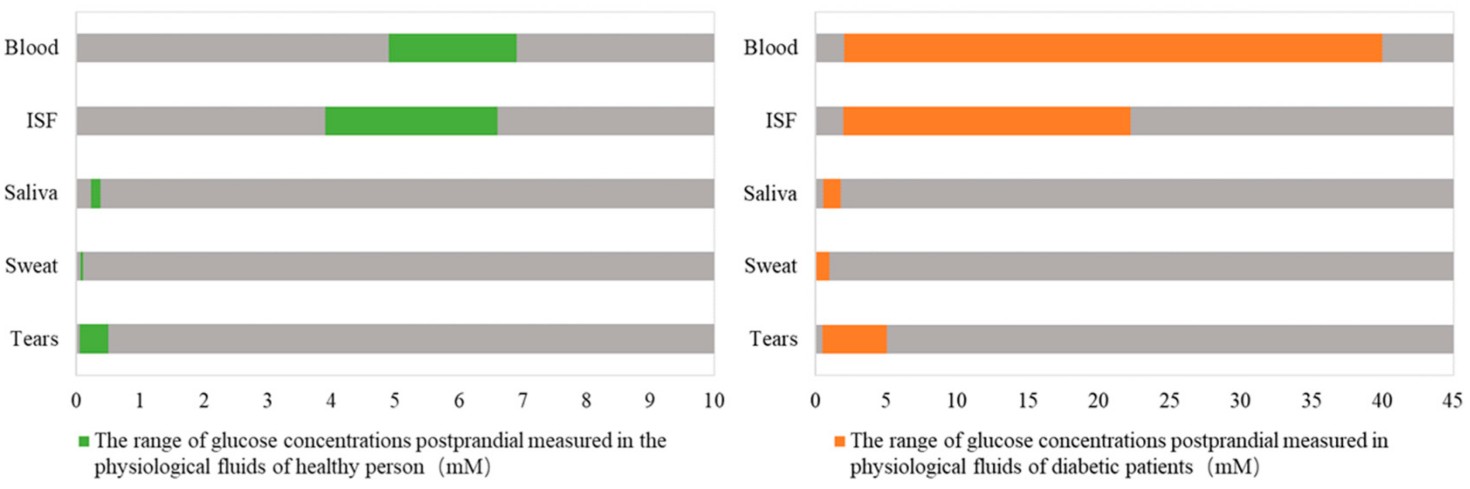
A Comprehensive Review of Non-Invasive Blood Glucose Monitoring Technologies

Non-invasive blood glucose monitoring has emerged as a pivotal area of research in the medical technology sector, driven by the increasing prevalence of diabetes worldwide. Traditional invasive methods, while effective,...

Learn More

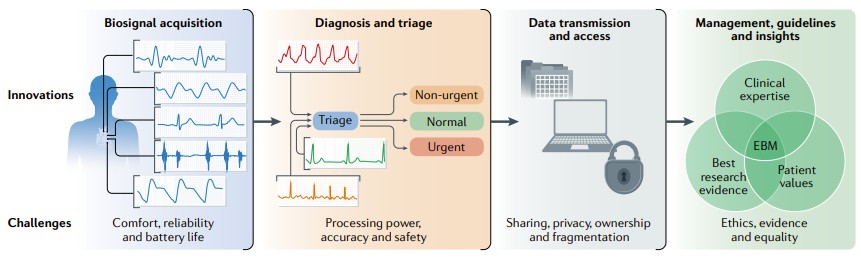
Amalgamation of Cutting-Edge Monitoring Apparatus and Machine Learning Algorithms for Scalable Cardiovascular Disease Management

The landscape of cardiovascular monitoring is undergoing a transformative shift, driven by technological advancements that promise to revolutionize heart health management. Traditional methods, while effective, have long been constrained by...

Learn More

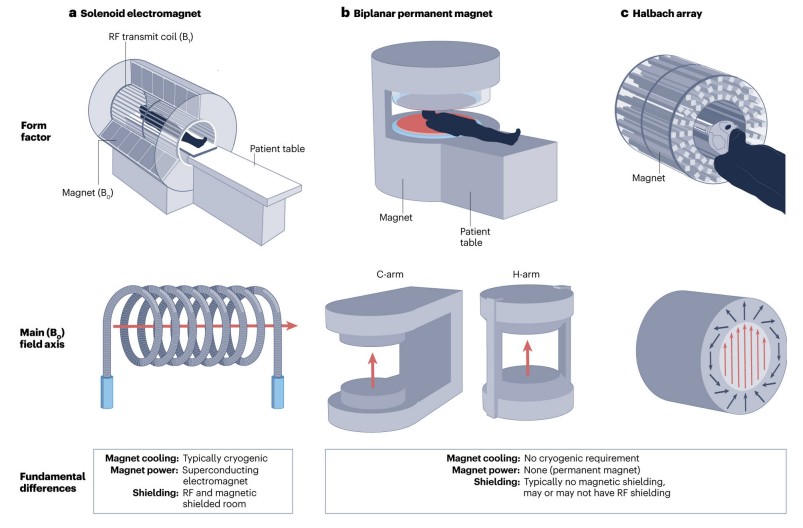
Portable Low-Field Magnetic Resonance Imaging for Brain Visualization

Magnetic Resonance Imaging (MRI) has long been a cornerstone of modern medical diagnostics, offering unparalleled insights into the human body's internal structures. However, traditional MRI systems come with significant limitations,...

Learn More

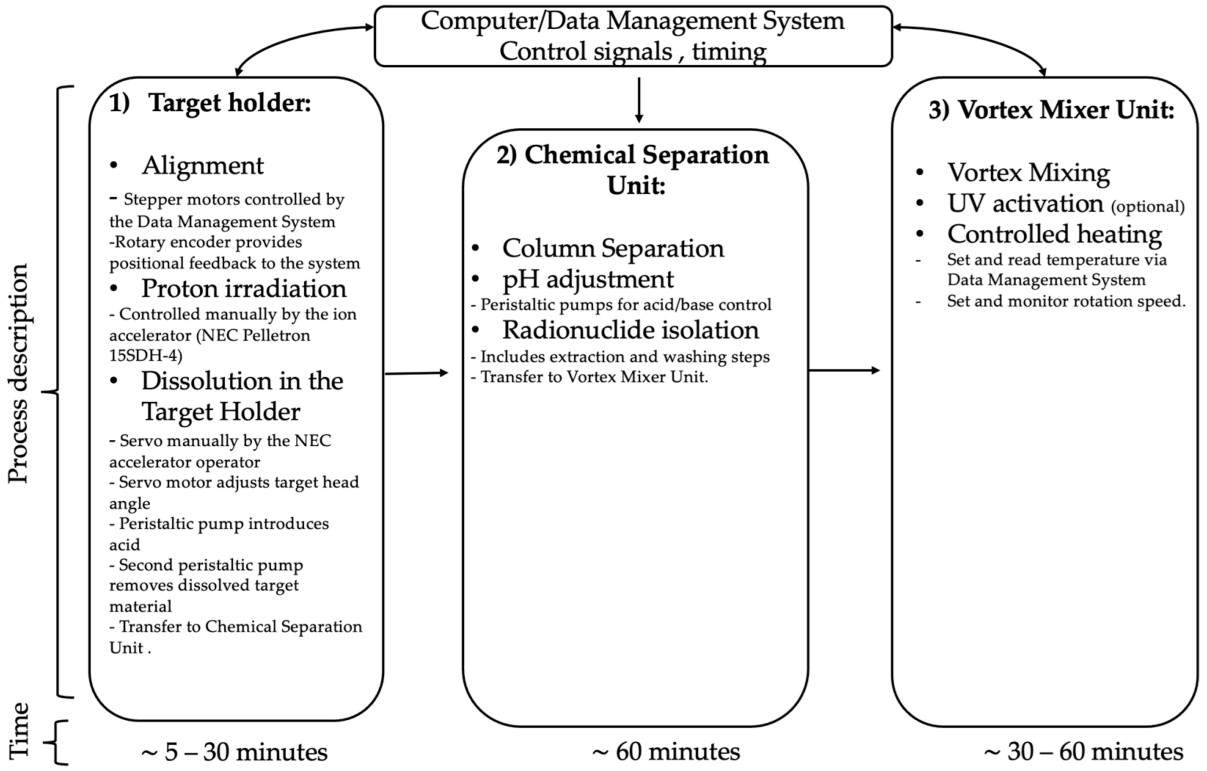
Equipment and Experimental Investigations for the Complete Automation of Medical Isotope Production via an Ion Beam Accelerator

The advent of fully automated systems for the production of medical isotopes marks a significant leap forward in the field of radiopharmaceuticals. Traditionally, the production of isotopes such as Zirconium-89...

Learn More

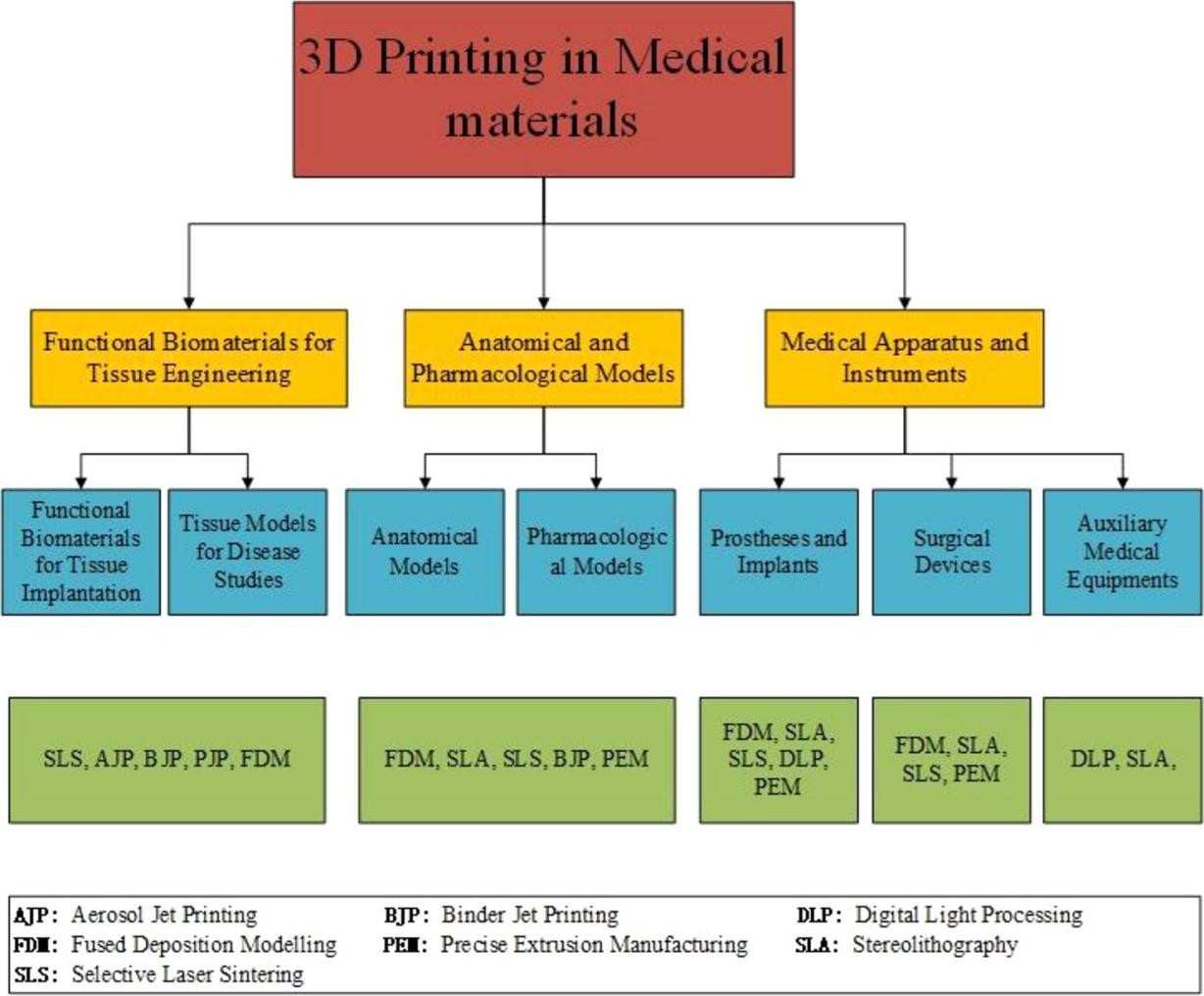
Advanced 3D Printing Technology and Its Utilization in Medical Materials

3D printing, also known as additive manufacturing (AM), has revolutionized the healthcare industry by enabling the creation of highly customized medical devices and materials. This technology leverages computer-aided design (CAD)...

Learn More

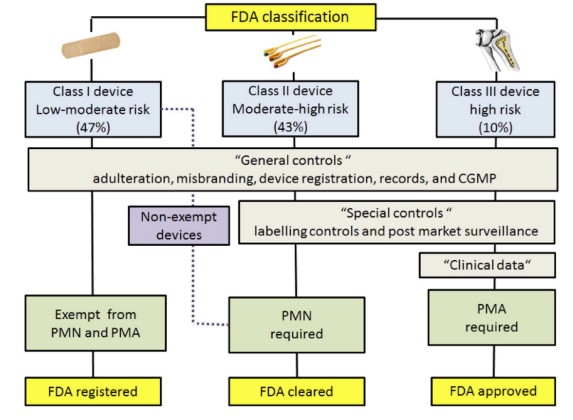
Development and Regulation of Pediatric Medical Devices

Pediatric medical devices are essential tools in the diagnosis, treatment, and management of various medical conditions in children. However, the development and regulation of these devices face unique challenges compared...

Learn More

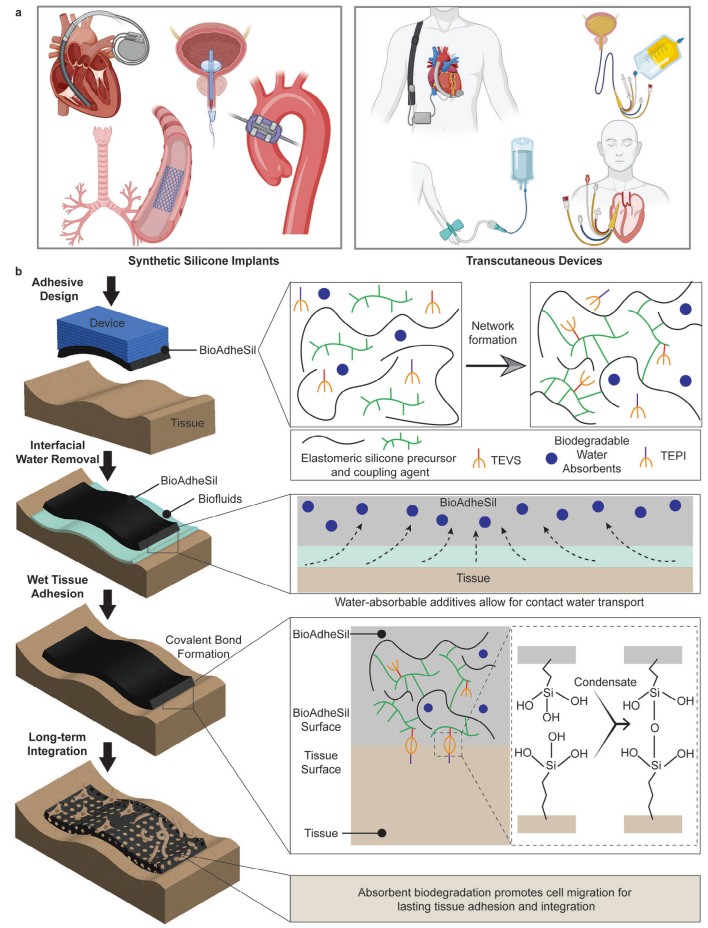
A Soft Silicone Bioadhesive with Tunable Properties for Robust Anchoring of Various Medical Devices onto Wet Biological Tissues

In the realm of medical device innovation, the development of BioAdheSil marks a significant leap forward in addressing the persistent challenge of securely anchoring silicone devices to biological tissues. Traditional...

Learn More

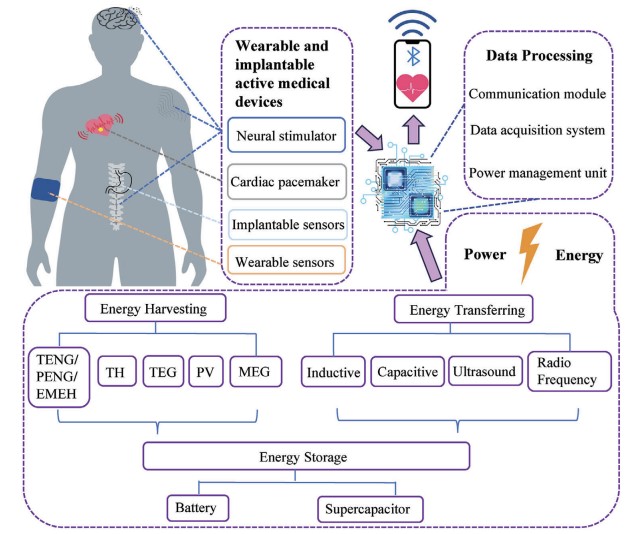
Sophisticated Energy Harvesting Systems and Energy Storage Solutions for Powering Wearable and Implantable Medical Devices

The evolution of wearable and implantable medical devices (WIMDs) has been nothing short of revolutionary, transforming healthcare delivery and patient outcomes. These devices, which include cardiac pacemakers, neural stimulators, continuous...

Learn More

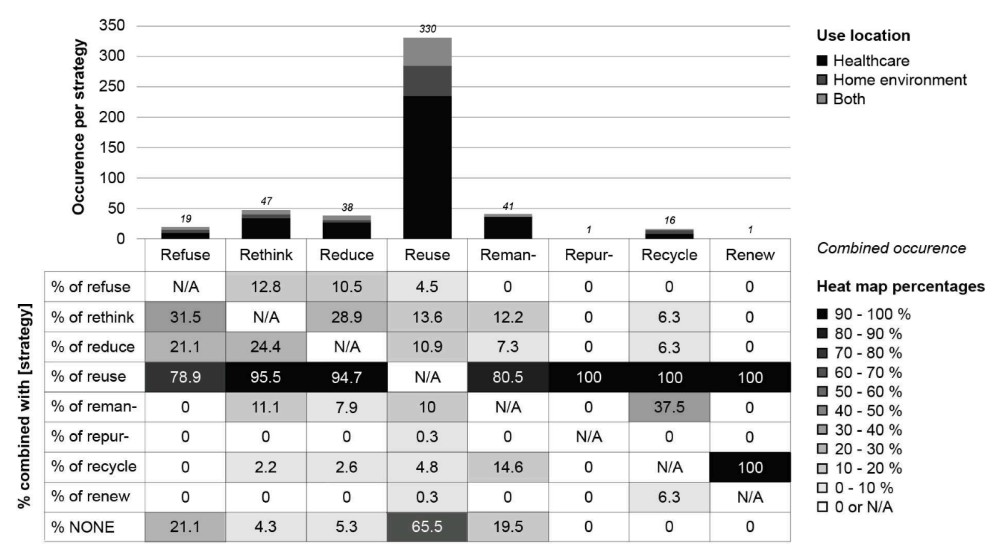
Circular Design Strategies for Medical Devices

The healthcare sector, a cornerstone of modern society, is undergoing a transformative shift towards sustainability. The traditional linear model of production and consumption, characterized by the "take, make, dispose" approach,...

Learn More

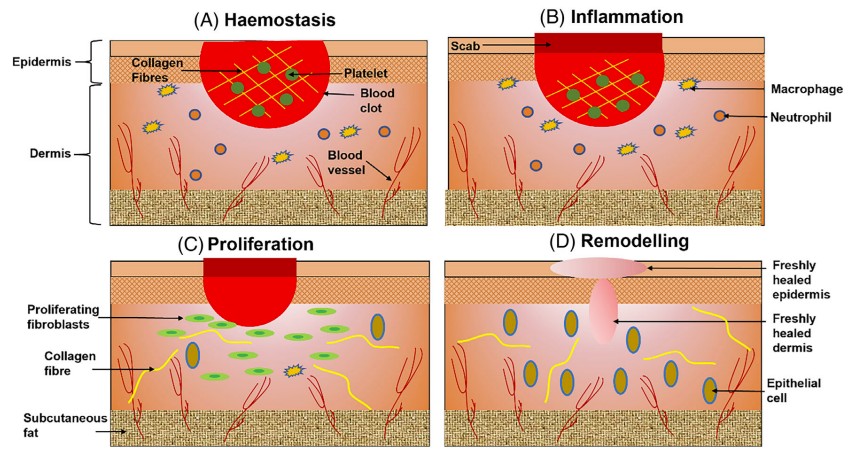
The Cutting-Edge Advances in Wound Healing: From Biomaterials to Smart Devices

Wound healing is a multifaceted biological process that is essential for restoring the skin's barrier function and preventing infections. However, this process can be disrupted by various diseases, leading to...

Learn More

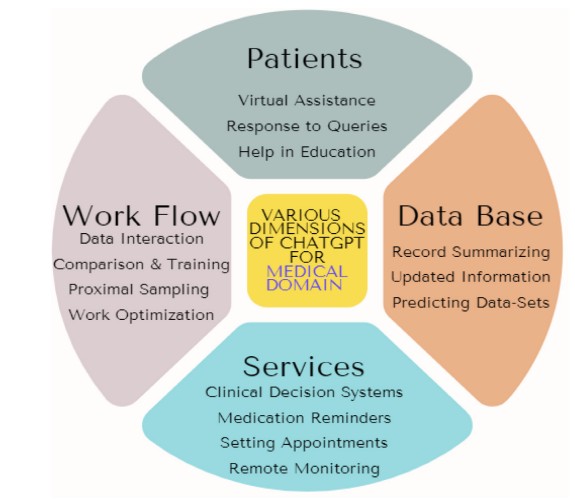
The Rise of ChatGPT in Healthcare: A Game-Changer for Medical Services

The integration of artificial intelligence (AI) into healthcare has been a transformative force, and ChatGPT stands out as a pioneering development in this domain. Developed by OpenAI, ChatGPT leverages the...

Learn More

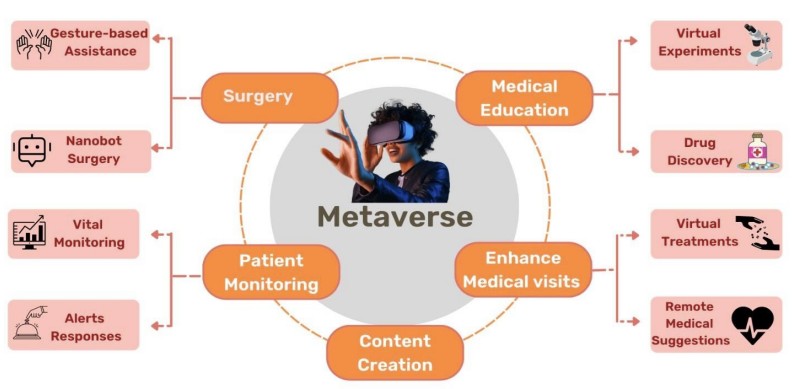
Exploring the Applications and Potential Challenges of Healthcare Metaverse

The healthcare metaverse represents a revolutionary integration of advanced technologies such as augmented reality (AR), virtual reality (VR), artificial intelligence (AI), and blockchain, creating an immersive virtual environment that redefines...

Learn More

The Impact of Abduction Brace Compliance on Rotator Cuff Repair Outcomes

Rotator cuff injuries are a prevalent cause of shoulder pain and dysfunction, significantly impacting the quality of life for millions of individuals globally. The rotator cuff, a complex structure comprising...

Learn More

The Great Debate: Abduction Brace vs. Sling After Rotator Cuff Surgery

Rotator cuff repair is a common surgical procedure aimed at addressing one of the most prevalent shoulder disorders among older adults. Advances in arthroscopic techniques have revolutionized the approach to...

Learn More

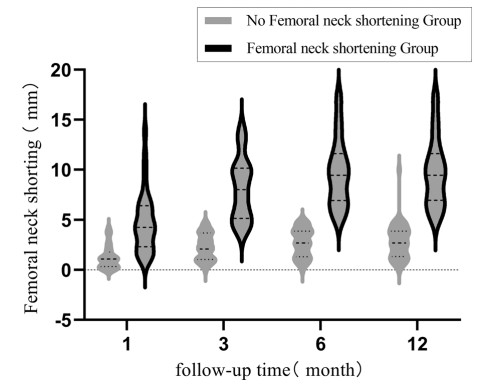
Incidence and Determinants of Neck Shortening Following Femoral Neck Fracture Fixation with the Femoral Neck System

Femoral neck fractures represent a significant clinical challenge, particularly in the aging population. These fractures often result from low-energy trauma, such as falls, and can lead to severe mobility issues...

Learn More

The Evolution and Future of Cervical Endoscopic Spine Surgery

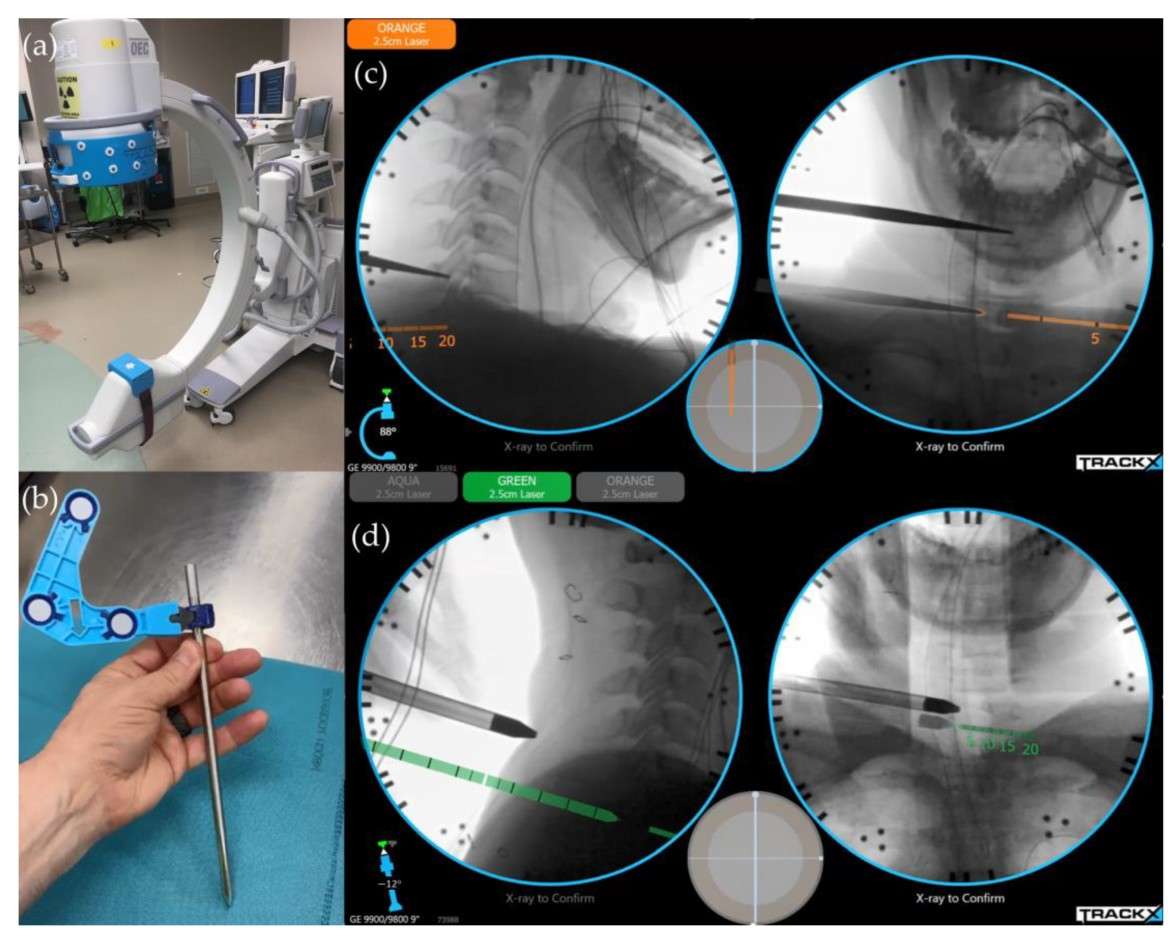
Cervical endoscopic spine surgery has emerged as a transformative field within neurosurgery and orthopedics, offering minimally invasive solutions for a range of cervical spine pathologies. This article delves into the...

Learn More

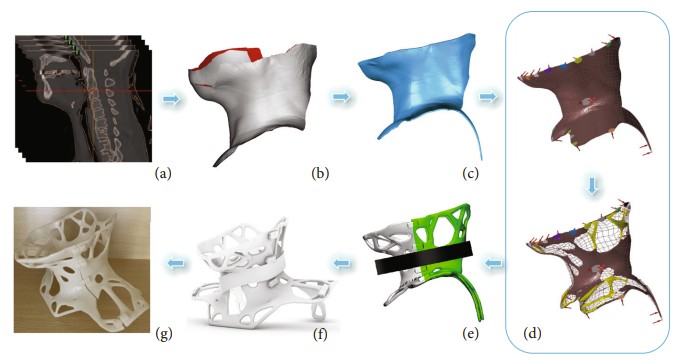
3D Printing-Enabled Design of Customized Cervical Fixation Orthoses

The field of orthotics is undergoing a transformative shift with the advent of 3D printing technology. Traditional orthotics, while effective, often lack the customization necessary to address individual patient needs....

Learn More

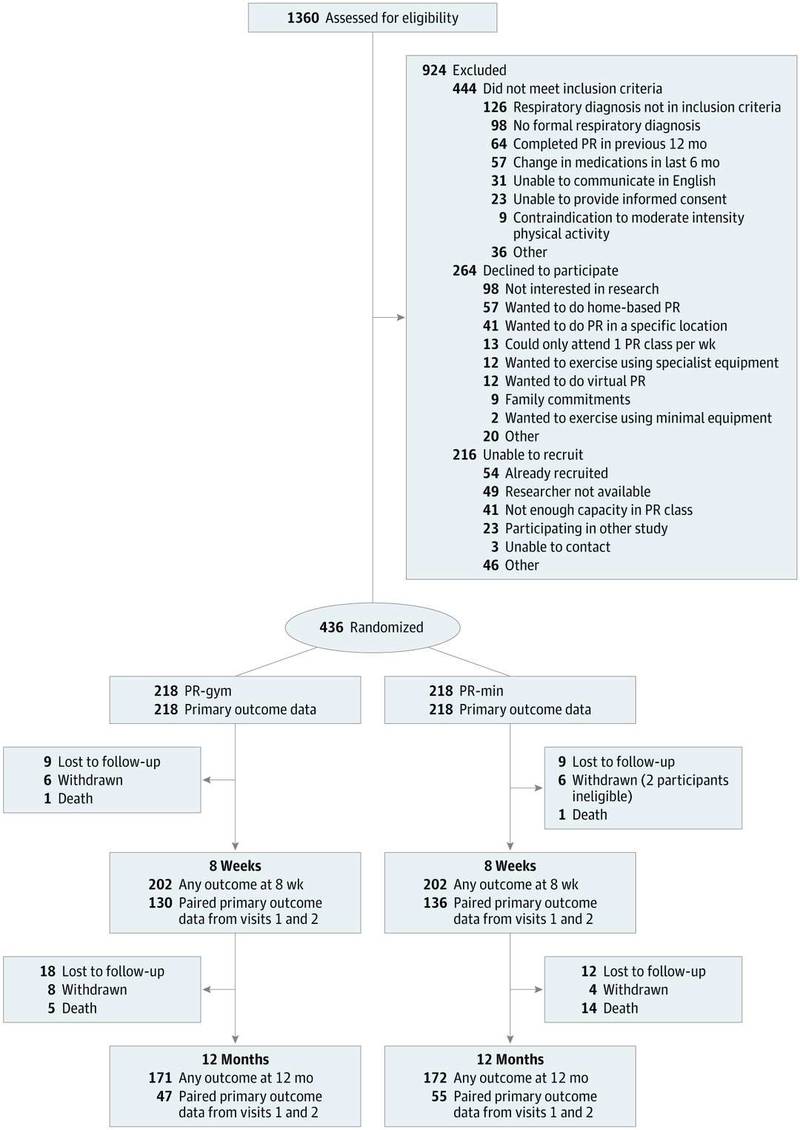
The Power of Simple Equipment in Pulmonary Rehabilitation: A Breakthrough Study

Pulmonary rehabilitation (PR) stands as a cornerstone in the management of chronic respiratory conditions, offering a multidisciplinary approach that integrates exercise training, education, and self-management strategies to enhance patients' physical...

Learn More

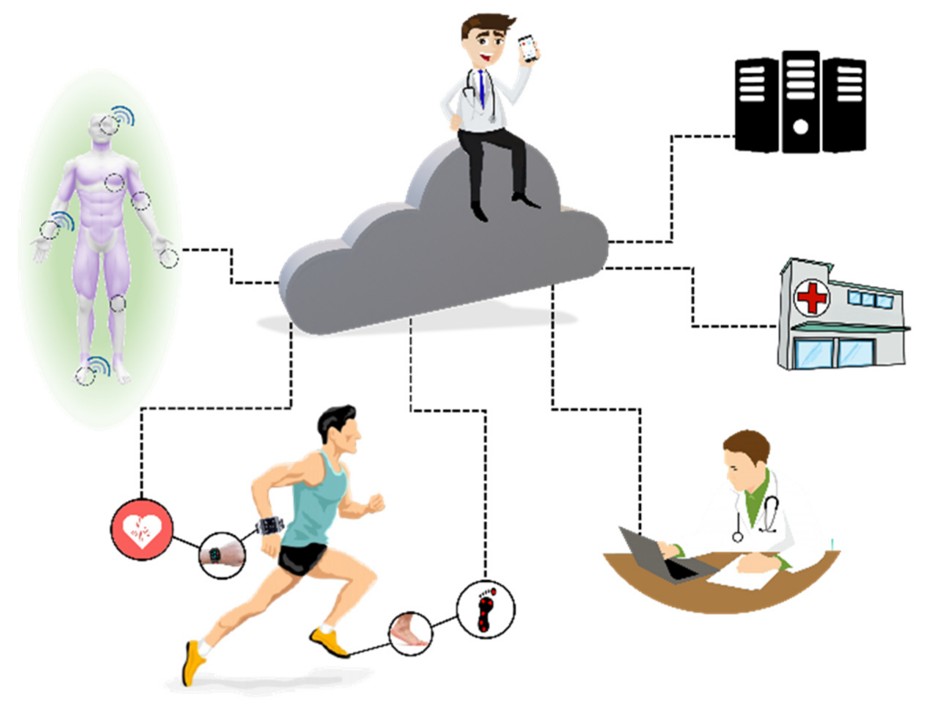
Sensors and Systems for Health Monitoring and Physical Rehabilitation

The integration of advanced sensor technology into healthcare systems has revolutionized the way we approach health monitoring and rehabilitation. These innovations offer unprecedented capabilities for continuous, real-time monitoring of vital...

Learn More

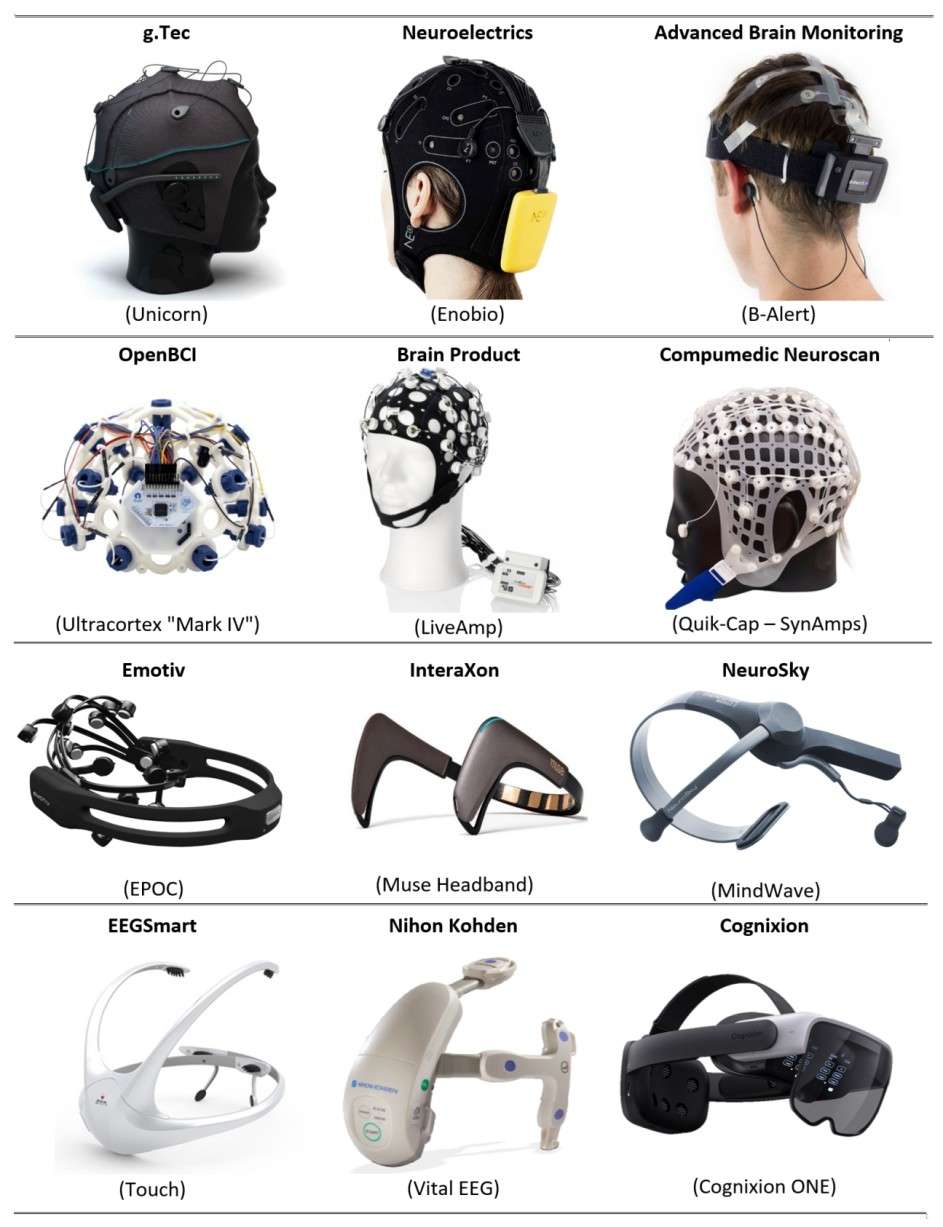
The Future of Brain-Computer Interfaces: A Comprehensive Review of Noninvasive EEG Equipment

Brain-Computer Interfaces (BCIs) represent a revolutionary intersection of neuroscience and technology, enabling direct communication between the brain and external devices. These interfaces hold immense potential for individuals with severe motor...

Learn More
0
0

There is no product in your cart.