

- Home
- IVD
- By Technology Types
- By Diseases Types
- By Product Types
- Research
- Resource
- Distributors
- Company
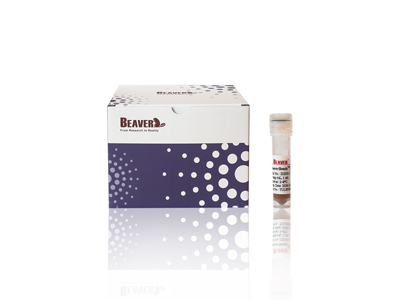
| Product Name | Mag Anti-HA |
| Catalog No. | SM-HMM-0025 |
| Description | Anti-HA specifically binds to HA-tagged fusion proteins in animal, plant or microbial lysates, serum, ascites and other samples, and rapidly achieves immunoprecipitation (IP), immunoprecipitation (Co-IP) or purification experiments of HA-tagged fusion proteins or their protein complexes under the action of a magnetic field (magnetic racks or other magnetic separation devices). |
| Features | High loading capacity, only 10-20 µL beads are required for a single experiment.
Low background, low bead non-specificity. |
| Storage | 2-8°C |
| Shelf Life | 1 year |
| Average Particle Size | ~300 nm |
| Magnetism Type | Superparamagnetic |
| Concentration | 10 mg/mL |
| Applications | IP, Co-lP, Protein purification |
HA-tag (Hemagglutinin tag) is a widely used epitope tag in molecular biology and biochemistry research, derived from the hemagglutinin protein of the influenza virus. Its small molecular weight (approximately 1.1 kDa) minimizes interference with the structure, function, and localization of the target fusion protein, making it an ideal tool for studying protein expression, interaction, and purification.
In scientific research, the need to isolate and analyze HA-tagged fusion proteins is ubiquitous across various fields, including:
Signal transduction pathway studies, where researchers need to identify binding partners of target proteins.
Protein expression validation in recombinant protein production, ensuring the correct synthesis of the desired protein.
Functional characterization of proteins, such as exploring their subcellular localization and biological activities.
Drug target research, facilitating the screening and validation of potential therapeutic targets.
Traditional methods for isolating HA-tagged proteins, such as agarose bead-based immunoprecipitation, often suffer from limitations like long incubation times, low binding efficiency, and cumbersome centrifugation steps. To address these challenges, Mag Anti-HA was developed as a advanced magnetic bead-based tool. It combines the specificity of anti-HA antibodies with the convenience of superparamagnetic beads, enabling rapid, efficient, and high-purity isolation of HA-tagged fusion proteins and their complexes.
Exceptional binding specificity: The immobilized anti-HA antibody exhibits high affinity and specificity for HA-tagged fusion proteins, ensuring minimal cross-reactivity with non-target proteins in complex samples.
High loading capacity: A small volume (10-20 µL) of beads per experiment is sufficient to capture a large amount of HA-tagged proteins, reducing experimental costs and sample usage.
Low non-specific binding: The beads are specially treated to minimize background noise, ensuring clear and reliable results in IP, Co-IP, and purification experiments.
Superparamagnetic property: Enables fast and gentle magnetic separation without the need for centrifugation, preserving the integrity of protein complexes and simplifying the experimental workflow.
Broad sample compatibility: Effectively works with various sample types, including animal, plant, and microbial lysates, as well as serum and ascites, adapting to diverse research scenarios.
Consistent performance: Manufactured under strict quality control standards, ensuring batch-to-batch reproducibility for stable and trustworthy experimental outcomes.
Easy storage and handling: Requires only refrigerated storage (2-8°C) with a 1-year shelf life, eliminating the need for complex storage conditions and ensuring long-term usability.
Time-saving workflow: Magnetic separation significantly shortens the experimental process, reducing incubation and processing time compared to traditional agarose-based methods.
High-purity protein recovery: The combination of specific antibody binding and low non-specificity ensures that the isolated proteins are of high purity, suitable for downstream applications such as Western blotting, mass spectrometry, and functional assays.
User-friendly operation: No specialized equipment is required beyond a magnetic rack, making the product accessible to researchers of all skill levels and compatible with standard laboratory setups.
Cost-effective: The high loading capacity and reusability (with proper treatment) of the beads lower the per-experiment cost, making it economical for long-term or large-scale research projects.
Versatile applications: Supports multiple key research techniques (IP, Co-IP, protein purification) in one product, eliminating the need to purchase separate tools for different experiments.
Research-focused design: Tailored exclusively for scientific research, with performance optimized to meet the precise requirements of protein interaction and purification studies, avoiding unnecessary clinical-grade modifications.
For research use only, not for clinical use.
|
There is no product in your cart. |
Copyright © 2026 Alta DiagnoTech. All rights reserved.