

- Home
- IVD
- By Technology Types
- By Diseases Types
- By Product Types
- Research
- Resource
- Distributors
- Company
In vitro diagnostic (IVD)/clinical diagnostic instruments play a vital role in modern medicine. These instruments are designed to accurately detect and analyze body fluids, cells, and other biological samples to identify disease states, monitor health, and assist in the development of treatment plans. As a leading supplier of diagnostic products, Alta DiagnoTech offers highly accurate and user-friendly IVD instruments that help healthcare professionals quickly and accurately detect disease and assess health.
IVD instruments are devices used to detect biomarkers or pathogens in samples (e.g., blood, urine, tissue fluids, etc.) from outside the human body. They help medical personnel obtain accurate diagnostic information in a non-invasive or minimally invasive state. IVD instruments are an important part of modern medical testing and are widely used to detect diseases, monitor health conditions, and guide treatment decisions.
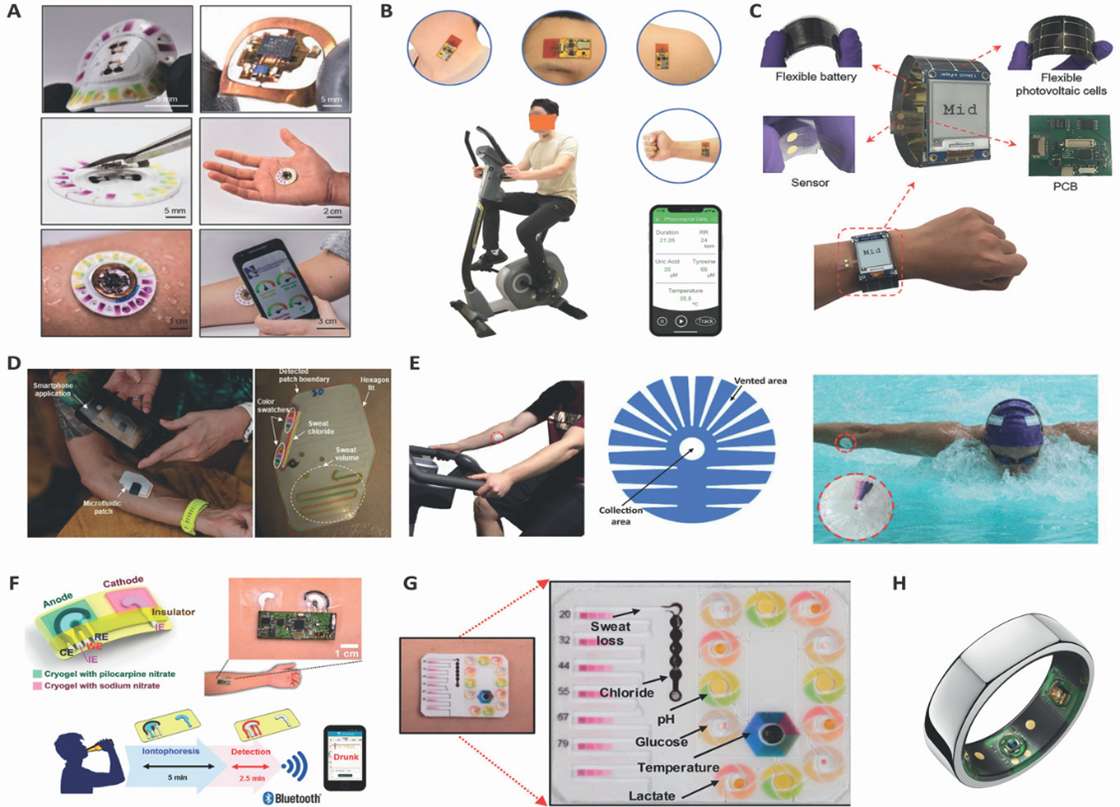 Fig.1 Some common IVD devices. (Ates, et al., 2021)
Here are some common IVD instruments and their applications:
| IVD Instruments Name | Applications | Detection Methods |
| Hematology Analyzer | Used for blood composition analysis and routine blood tests to assist in the diagnosis of anemia, infections, blood disorders, and other conditions. | Optical and electrical impedance techniques |
| PCR Analyzer | Used for gene amplification and nucleic acid detection, genetic disease diagnosis, pathogenic microorganism detection, forensic analysis, cancer research, and other fields. | Principles of spectroscopy |
| Biochemistry Analyzer | Used for various biochemical index tests, such as liver function, kidney function, electrolyte balance, etc. | Automated chemical tests and microscopy |
| Immunoanalyzer | Using antigen-antibody reaction to detect the body's immune indicators, is commonly used in hormone and drug testing. | Specific binding of antigens and antibodies |
| Ultrasonic Diagnostic Instrument | Used for pregnancy monitoring, heart examination, and abdominal and pelvic organ observation. | High-frequency acoustic imaging |
| Urine Analyzer | Used for detection of kidney disease, urinary tract infection, diabetes, etc. | Combined colorimetry, conductivity, and turbidimetry |
| Flow Cytometer | Used for immunology research, cancer cell detection, and stem cell research. | Optical detection |
As a premier supplier of IVD products, Alta DiagnoTech offers a full range of diagnostic instruments from primary testing to advanced analysis. These instruments are not only precise and efficient, enabling professionals to quickly obtain accurate data to support decision-making, but also offer significant advantages in terms of ease of use and automation, making them suitable for a wide range of clinical scenarios and laboratory needs.
Please click on the filter box below to quickly locate the IVD instruments you need.
Blood Glucose Analyzers
Rapid Diagnostic Devices
Small Biochemical Analyzers
Urine Analyzers
Mass Spectrometers
CGM Devices
A blood glucose analyzer is an IVD instrument used to measure human blood glucose levels. Employing technologies such as electrochemical or photometric methods, it rapidly and accurately detects glucose concentrations in blood or tissue fluid. This assists diabetes patients in monitoring blood glucose fluctuations and adjusting treatment plans, making it a core tool for diabetes management.
| Test Items | Test Contents | Applications |
|---|---|---|
| Blood glucose | Fasting plasma glucose, 2-hour postprandial glucose | Diabetes diagnosis and disease control assessment. |
| Urine glucose | Glucose content in urine | Diabetes reference indicators (not diagnostic criteria). |
| Glycated hemoglobin (HbA1c) | Proportion of hemoglobin bound to glucose in red blood cells | Reflects average blood glucose levels over the past 2-3 months. |
| Oral glucose tolerance test | Glucose changes at 0.5h, 1h, 2h, and 3h after oral administration of 75 g glucose | Diagnosis of diabetes and detection of impaired glucose tolerance. |
| Pancreatic function assessment | Plasma insulin and C-peptide levels | Determines diabetes type (type 1/type 2). |
Rapid diagnostic devices are a category of IVD instruments capable of performing tests and delivering results rapidly at the point of care—such as in clinics, homes, or at the patient's bedside. Their core advantage lies in significantly reducing diagnostic turnaround time, enabling immediate treatment decisions. They are particularly well-suited for infectious disease screening, chronic disease monitoring, and emergency medical scenarios.
| Detection Technology | Principle | Applications |
|---|---|---|
| Immunochromatography Technology | Through antigen-antibody specific binding, visible lines (e.g., C line, T line) form on the test strip. | Infectious disease testing, pregnancy testing. |
| Molecular Diagnostics Technology | Amplify pathogen nucleic acids (DNA/RNA) and detect target sequences via fluorescent or electrochemical signals. | Infectious disease diagnosis, genetic disease screening. |
| Biochemical Detection Technology | Measure specific substance concentrations (e.g., glucose, cholesterol) in samples using electrochemical or photometric methods. | Chronic disease management, cardiovascular risk assessment. |
| Microfluidic Chip Technology | Manipulate liquid samples within micrometer-scale channels, integrating sample processing, reaction, and detection steps. | Multi-target pathogen detection, point-of-care biochemical analysis. |
| Lateral Flow Immunofluorescence Technology | Combine immunochromatography with fluorescent labeling for quantitative target detection via fluorometers. | Quantitative infectious disease testing, drug concentration monitoring. |
| Non-invasive Detection Technology | Detect non-blood samples (e.g., saliva, sweat, tissue fluid) using techniques like spectral analysis and biosensors. | Non-invasive blood glucose monitoring, alcohol testing. |
Small biochemical analyzers quantitatively analyze chemical components in biological samples (such as blood or urine) by detecting color changes, fluorescence signals, or absorbance values following reactions between samples and reagents. Core steps include:
Portability and Space Efficiency
Smaller than traditional biochemical analyzers, it can be placed in ambulances, clinics, or home settings.
Easy Operation
Fully automated workflow (sampling-reaction-detection-cleaning), operable by non-professionals after minimal training.

Rapid Results
Testing time reduced to 5-15 minutes, meeting emergency and point-of-care diagnostic needs.
Low Sample Volume Requirement
Requires only a small sample (e.g., fingerstick blood), minimizing patient discomfort.
A urine analyzer is an automated medical device that assists clinical diagnosis by detecting urine's physical properties (such as color and specific gravity), chemical constituents (such as glucose, protein, and ketones), and formed elements (such as red blood cells, white blood cells, and casts). Combining dry chemistry, flow cytometry, or digital imaging technology, it rapidly provides multi-parameter test results.
| Test Items | Normal Range | Test Significance |
| Color and transparency | Pale yellow to amber, clear and transparent | The color and clarity of urine can reflect the body's physiological and pathological conditions. Abnormal colors (such as red or cloudy) may indicate issues like urinary tract infections, bleeding, or metabolic disorders. |
| Specific gravity | 1.003–1.030 g/cm3 | Urine specific gravity reflects the kidneys' ability to concentrate or dilute urine. Deviations from the normal range may suggest abnormalities in tubular function (such as impaired concentration or dilution capacity). This test aids in assessing overall kidney health. |
| pH value | 4.5–8.0 | Urine pH is influenced by diet, metabolism, and specific diseases. Abnormal pH values may indicate metabolic disorders like acidosis or alkalosis. This test aids in diagnosing and managing conditions such as urinary tract stones. |
| Glucose | Negative | Glucose in urine (glycosuria) is often an early sign of diabetes. This test aids in diabetes diagnosis, monitoring, and prevention/management of complications. |
| Protein | Negative or trace | Proteinuria (excessive protein in urine) is a key indicator of kidney damage and serves as an early warning signal for various kidney diseases like glomerulonephritis and nephrotic syndrome. |
| Ketones | Negative | Urinary ketones (ketonuria) are substances produced when the body breaks down fat instead of glucose for energy, typically caused by insulin deficiency due to diabetes. High ketone concentrations can lead to life-threatening diabetic ketoacidosis, making ketone detection critical for timely treatment. |
| Bilirubin | Negative | The presence of bilirubin in urine may indicate liver or biliary tract issues, such as hepatitis, cirrhosis, or biliary obstruction. This indicator aids in the early diagnosis and management of hepatobiliary diseases. |
| Urobilinogen | Normal or weakly positive | Urobilinogen is a product of bilirubin metabolism. Abnormal levels may suggest liver dysfunction, hemolytic anemia, or biliary obstruction, providing crucial evidence for diagnosing hepatobiliary diseases. |
| Nitrites | Negative | The presence of nitrites in urine typically results from the conversion of nitrates by urinary tract bacteria. Nitrites serve as a reliable indicator of urinary tract bacterial infection. This test facilitates rapid diagnosis of such infections. |
| Red blood cells | 0–3 per HPF | Blood in urine may stem from various causes, including urinary tract infections, stones, tumors, or kidney disease. Detecting red blood cells aids in identifying the underlying cause and guides further diagnostic investigations. |
| White blood cells | 0–5 per HPF | An elevated white blood cell count in urine is a common sign of a urinary tract infection. This indicator aids in confirming infection and assessing its severity, thereby guiding targeted treatment. |
| Bacteria | No bacteria | Detection of bacteria in urine indicates a urinary tract infection. Identifying the specific bacterial species helps select the most effective antibiotics for treatment, improving cure rates and reducing the risk of antibiotic resistance. |
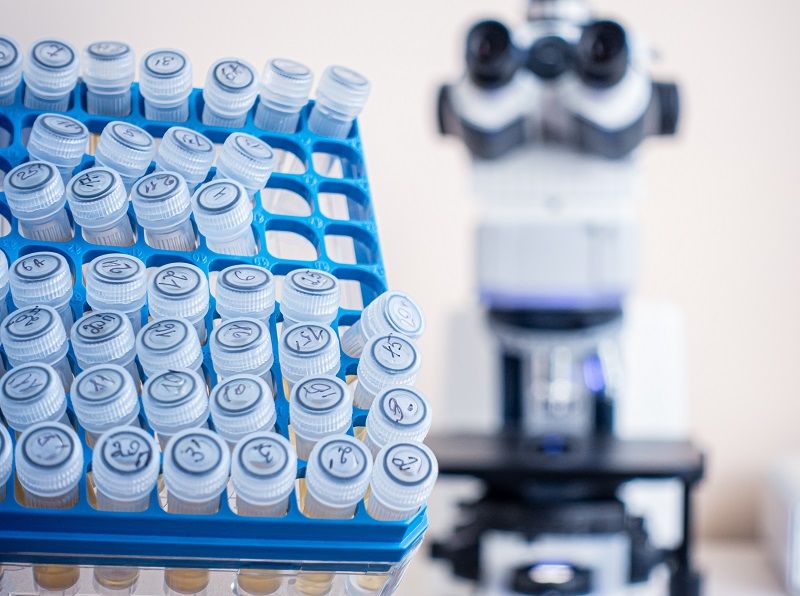
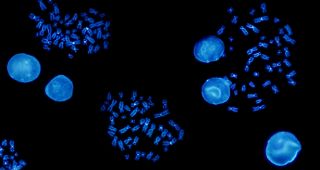
The mass spectrometer is a precision instrument that analyzes the composition and structure of substances by measuring the mass-to-charge ratio (m/z) of ions. It is widely used in fields such as chemistry, biology, medicine, and environmental monitoring. Its core principle involves converting sample molecules into charged ions, separating and detecting them based on their mass-to-charge ratio, and finally presenting the analytical results through a mass spectrum.

Genetic Metabolic Disease Screening
Mass spectrometers detect metabolites in blood to aid the diagnosis of genetic diseases such as phenylketonuria and methylmalonic acidemia.
Therapeutic Drug Monitoring
Mass spectrometers monitor concentrations of therapeutic drugs (e.g., immunosuppressants, antiepileptics) in the body to optimize dosing regimens.
Microbial Identification
Mass spectrometers enable rapid species identification by analyzing bacterial ribosomal protein fingerprinting.
Tumor Marker Detection
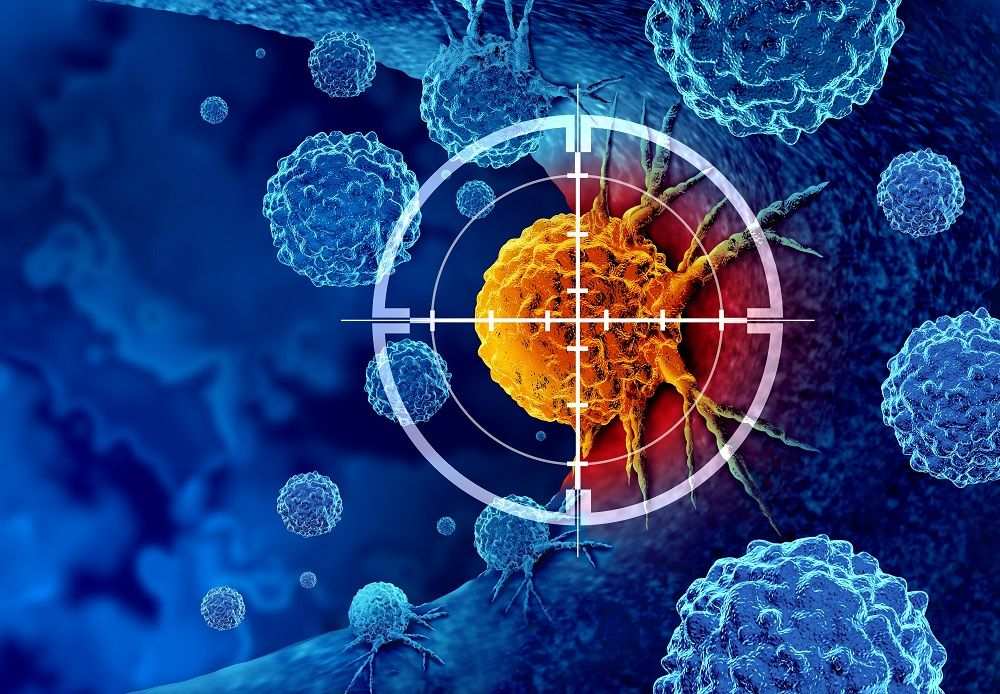
Combined with multi-omics technologies, mass spectrometers can quantitatively analyze tumor-associated proteins, metabolites, or nucleic acid variants.
Continuous glucose monitoring (CGM) devices are IVD equipment that track blood glucose levels in real time via a micro-sensor implanted under the skin. These devices provide 24-hour continuous glucose fluctuation data, significantly enhancing the precision and convenience of blood glucose management. Through real-time, continuous glucose monitoring, CGM devices have revolutionized diabetes management, becoming an essential tool for patients to achieve precise blood glucose control and improve their quality of life.
Identifying Asymptomatic Hypoglycemia
CGM device can be used to detect asymptomatic hypoglycemia that is difficult to identify with traditional methods, reducing the risk of coma or falls.
Safe Management of Gestational Diabetes
CGM device can be used to monitor postprandial 1-hour blood glucose and nocturnal blood glucose levels, reducing the risk of fetal complications.
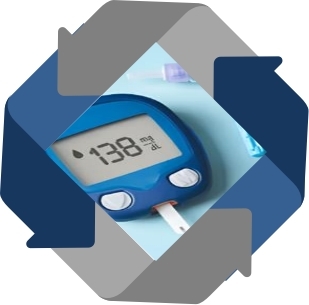
Quantifying Blood Glucose Fluctuations
By calculating the coefficient of variation in blood glucose levels, CGM device identifies the extent of glucose fluctuations, guiding adjustments to diet, exercise, or medication regimens.
Optimizing Insulin Dosing
CGM device correlates insulin injection timing with glucose changes, helping patients precisely adjust insulin doses.
Alta DiagnoTech offers a wide range of IVD instruments ranging from blood glucose analyzers to rapid diagnostic devices that excel in precision, versatility, and ease of operation. We are committed to being a global leader in the IVD industry with a philosophy of continuous innovation and quality. Please feel free to contact us if you are interested in our IVD products.
Reference
|
There is no product in your cart. |
Copyright © 2026 Alta DiagnoTech. All rights reserved.