

- Home
- IVD
- By Technology Types
- By Diseases Types
- By Product Types
- Research
- Resource
- Distributors
- Company
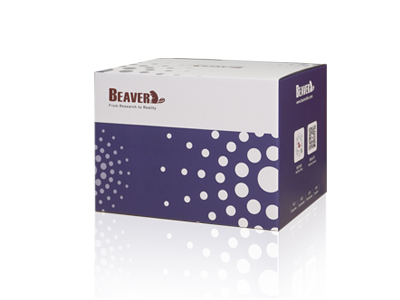
| Product Name | Epoxy |
| Catalog No. | SM-HMM-0010 |
| Description | Epoxy is a superparamagnetic microbead with epoxy groups on its surface. It covalently binds primary amino and primary sulfhydryl groups in proteins and peptides, making it ideal for coupling antibodies, peptides, intact proteins, and functional enzymes. |
| Features | Super paramagnetic and high magnetic responsiveness, saving operation time and increasing sample recovery efficiency. Good suspension performance, dispersion and resuspension, which facilitates efficient binding and recovery of nucleic acids. Good physical and chemical stability to ensure reproducible results. |
| Storage | Stable at 2-8°C (can be stored or transported at room temperature for short periods of time) |
| Shelf Life | 2 years |
| Average Particle Size | 300-500 nm |
| Magnetic Core | Fe3O4 |
| Shell | Polymer |
| Magnetism Type | Superparamagnetic |
| Preservation Fluid | Sterile water |
| Concentration | 50 mg/mL |
Epoxy-functionalized superparamagnetic microbeads have emerged as a cornerstone tool in modern biotechnology and life sciences, driven by the growing demand for efficient, reliable, and scalable biomolecular separation and conjugation technologies. Their development stems from the need to address key challenges in research and industrial applications—such as low binding efficiency, time-consuming separation processes, and inconsistent results that plagued traditional methods like centrifugation or chromatography.
Today, these microbeads are widely adopted across multiple fields, enabling breakthroughs in areas including:
Immunodiagnostics: Facilitating the development of rapid, sensitive assays for disease detection by coupling antibodies to capture target antigens.
Molecular biology: Streamlining nucleic acid purification, gene editing workflows, and next-generation sequencing (NGS) sample preparation.
Protein research: Supporting protein purification, immobilization, and interaction studies that are critical for drug discovery and structural biology.
The epoxy groups on the microbead surface are uniquely designed for covalent conjugation—offering a stable bond with primary amino (-NH2) and primary sulfhydryl (-SH) groups in proteins, peptides, and enzymes. This covalent linkage ensures minimal leaching of conjugated biomolecules, a key advantage over non-covalent binding methods that rely on weak interactions like adsorption or affinity. As research and industrial processes become more complex and demanding, epoxy-functionalized superparamagnetic microbeads continue to evolve as a versatile, high-performance solution for biomolecular manipulation.
Superparamagnetic properties eliminate residual magnetism, ensuring complete dispersion in solution without aggregation after magnetic separation.
High magnetic responsiveness allows for fast, efficient separation using standard magnetic racks, reducing operation time by up to 50% compared to conventional methods.
Excellent suspension stability ensures uniform distribution in buffers, enabling consistent binding with target biomolecules across large sample volumes.
Exceptional physical and chemical stability resists degradation in a wide range of pH (3.0–10.0) and temperature conditions, ensuring reproducible results in diverse experimental setups.
Narrow particle size distribution (300–500 nm) guarantees consistent binding kinetics and uniform performance across every batch.
Sterile water preservation fluid minimizes contamination risks, making the product ready-to-use without additional processing or purification steps.
Biocompatible polymer shell prevents non-specific binding to biomolecules, reducing background noise in assays and purification workflows.
Covalent conjugation via epoxy groups provides long-term stability of biomolecular complexes, outperforming non-covalent methods in assays requiring prolonged incubation or multiple wash steps.
High concentration (50 mg/mL) delivers cost-effectiveness, as small volumes of microbeads are sufficient for large-scale experiments or industrial processes.
Versatile binding capability supports conjugation with a wide range of biomolecules, including antibodies, peptides, intact proteins, and functional enzymes—eliminating the need for multiple specialized products.
Short-term room temperature storage and transportation compatibility simplifies logistics, reducing the risk of product damage during shipping.
2-year shelf life ensures long-term usability, making it ideal for labs and manufacturers with bulk inventory needs.
Fe3O4 magnetic core offers superior magnetic strength, enabling efficient separation even in viscous samples or high-volume solutions.
Easy resuspension after magnetic separation allows for seamless integration into automated workflows, supporting high-throughput applications in drug discovery and clinical diagnostics.
For research use only, not for clinical use.
|
There is no product in your cart. |
Copyright © 2026 Alta DiagnoTech. All rights reserved.