- Home
- Resource
- Explore & Learn
- Fish Welfare Revealed: The Science Of Blood-Based Assessment


- Home
- IVD
- By Technology Types
- By Diseases Types
- By Product Types
- Research
- Resource
- Distributors
- Company

Fish welfare is an increasingly important aspect of modern aquaculture practices, gaining widespread attention from industry professionals, researchers, and consumers alike. As the global demand for seafood continues to rise steadily—driven by population growth, changing dietary preferences, and a growing focus on protein-rich, sustainable food sources—so does the critical need to ensure that farmed fish are healthy, stress-free, and living in conditions that actively promote their physical and psychological well-being. This growing awareness of fish welfare is not merely a matter of ethical responsibility; it is also rooted in the practical, measurable benefits of maintaining high welfare standards. Studies have consistently shown that prioritizing fish welfare can enhance fish growth rates, reduce the incidence of infectious diseases, minimize mortality rates, and ultimately improve the overall productivity and profitability of aquaculture operations.
One of the most reliable and effective tools for assessing and monitoring fish welfare is blood analysis. Blood, as a complex, dynamic fluid rich in cellular components (such as red and white blood cells) and biochemical markers (including hormones, enzymes, and metabolites), offers an invaluable window into the physiological state of fish. It reveals critical information about their general health, current stress levels, immune system function, and even their ability to adapt to changes in their environment. By analyzing specific blood biomarkers—such as cortisol (the primary stress hormone), glucose, lactate, and various immune-related proteins—researchers and aquaculture managers can gain valuable, data-driven insights into the overall condition of fish populations. This information enables them to make informed decisions about husbandry practices, environmental adjustments, and health interventions, all of which support better long-term welfare outcomes for farmed fish.
While blood analysis in fish is not a new concept—its basic applications have been used in aquaculture for decades—recent advancements in technology and analytical methodology have significantly enhanced its accuracy, efficiency, and applicability on a large scale. Cutting-edge techniques such as transcriptomics, proteomics, and metabolomics have revolutionized our ability to interpret the wealth of complex data contained within fish blood, providing unprecedented depth of insight into fish welfare at the molecular level. Transcriptomics, for example, allows for the detailed analysis of gene expression patterns, revealing exactly how fish are responding to environmental stressors (such as poor water quality, overcrowding, or temperature fluctuations) at the genetic level, even before physical symptoms appear.
Proteomics, meanwhile, focuses on examining the full complement of proteins present in fish blood, offering detailed information about immune system responses, metabolic processes, and cellular damage. This technique helps identify specific proteins that are upregulated or downregulated in response to stress or disease, serving as early warning signs of potential welfare issues. Metabolomics, on the other hand, targets the small molecules (metabolites) that are the end products of metabolic pathways, providing a comprehensive, real-time picture of the fish's physiological state. Together, these advanced omics techniques work in synergy to enable a more nuanced, proactive understanding of fish health and welfare. They allow for the early detection of stress and disease, facilitate the development of targeted interventions to address underlying issues, and help refine aquaculture practices to create more optimal living conditions that support the overall well-being of farmed fish.
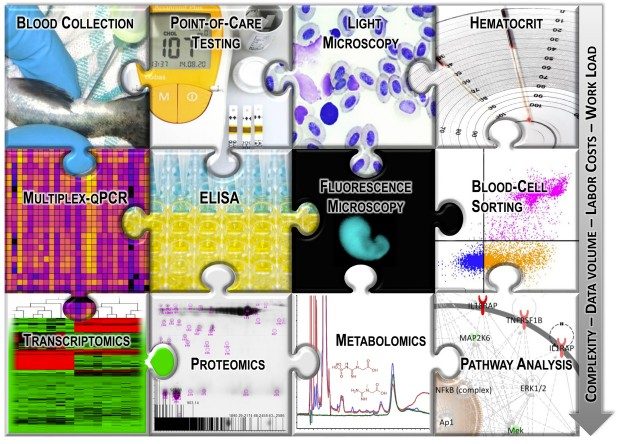 Fig.1 Graphical overview of the selected analysis techniques used with fish blood. (Seibel H., et al., 2021)
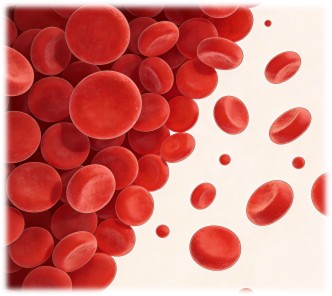
Erythrocytes, commonly known as red blood cells, are the most abundant cellular component in the blood of fish, accounting for a significant portion of the total blood volume. Their primary physiological function is to bind and transport oxygen from the gills to all tissues and organs of the fish's body, while also facilitating the removal of carbon dioxide, a waste product of cellular respiration. Due to their central role in maintaining systemic oxygen homeostasis, even subtle alterations in erythrocyte count (the number of red blood cells per unit volume of blood), size (often measured as mean corpuscular volume), and shape can serve as reliable indicators of various physiological states and pathological conditions in fish.
For instance, an abnormal increase in erythrocyte count and hematocrit levels—defined as the volume percentage of erythrocytes relative to the total blood volume—often signals a response to hypoxia, or low dissolved oxygen levels in the aquatic environment. When fish are exposed to hypoxic conditions, their bodies initiate a compensatory mechanism to enhance oxygen-carrying capacity: the kidneys release erythropoietin, a hormone that stimulates the production of additional erythrocytes in the bone marrow or hematopoietic tissues. This adaptive response helps fish cope with reduced oxygen availability, but sustained elevations in these parameters may also indicate chronic environmental stress, which can negatively impact long-term welfare.
Conversely, a noticeable decrease in erythrocyte count and hematocrit is a key indicator of anemia in fish, a condition characterized by an inability to transport sufficient oxygen to meet cellular demands. Anemia in fish is often associated with three main factors: chronic stress (such as prolonged exposure to poor water quality, frequent handling, or overcrowding), malnutrition (deficiencies in iron, vitamin B12, or other essential nutrients required for erythrocyte synthesis), and infectious diseases (which may damage hematopoietic tissues or cause excessive destruction of red blood cells). Numerous studies have demonstrated that fish reared in suboptimal conditions—including high ammonia or nitrite levels, fluctuating water temperatures, or overstocked tanks—exhibit significant and measurable decreases in hematocrit levels over time, highlighting the critical importance of this hematological parameter in routine fish welfare assessment.
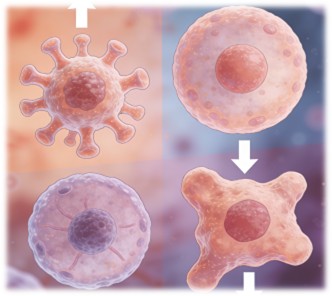
Leukocytes, or white blood cells, are the primary cellular components of the fish's immune system, playing a crucial role in defending against pathogens (such as bacteria, viruses, and parasites), resolving inflammation, and repairing tissue damage. Unlike erythrocytes, leukocytes are present in lower numbers in fish blood, but their differential count—meaning the relative proportion of different leukocyte subtypes, including neutrophils, lymphocytes, monocytes, eosinophils, and basophils—provides valuable, detailed information about the fish's immune status and overall physiological condition.
Neutrophils, one of the most abundant leukocyte subtypes in many fish species, are considered the "first responders" to acute stress or infection. These cells are rapidly mobilized to sites of inflammation or tissue injury, where they phagocytize (engulf and destroy) pathogens and release antimicrobial substances to contain the threat. As a result, an abrupt increase in neutrophil count (often accompanied by a decrease in lymphocyte count, a phenomenon known as "stress leukogram") is a common indicator of acute stress, bacterial infection, or tissue damage in fish. This response is triggered by the release of stress hormones such as cortisol, which redirects the immune system's resources to cope with immediate threats.
On the other hand, chronic stress in fish can lead to immunosuppression, a state in which the immune system's ability to defend against pathogens is compromised. This immunosuppressive state is typically characterized by a significant decrease in lymphocyte count—lymphocytes are responsible for adaptive immunity, including the production of antibodies and the regulation of immune responses—and a corresponding increase in monocyte count. Monocytes function primarily in phagocytosis and the removal of dead or damaged cells, and their elevation in chronic stress may reflect ongoing tissue repair or unresolved inflammation. By regularly monitoring leukocyte profiles, aquaculturists, researchers, and fish welfare specialists can detect early signs of immune dysfunction, stress, or disease before clinical symptoms appear, enabling timely interventions (such as improving water quality, adjusting feeding regimes, or administering targeted treatments) to restore fish health and enhance overall welfare.
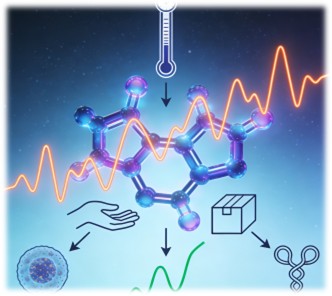
Cortisol, a key glucocorticoid hormone synthesized and secreted by the interrenal tissues (analogous to the adrenal cortex in mammals) in fish, is widely recognized as the most reliable and commonly used biomarker of stress responses in aquatic organisms. Its levels in fish blood rise rapidly—typically within minutes—following exposure to various stressors, including human-induced stressors such as handling during sampling, transportation between aquaculture facilities, and netting, as well as environmental stressors like sudden changes in water temperature, pH fluctuations, poor water quality (e.g., high ammonia or nitrite levels), and predation threats. These elevated cortisol levels, if sustained over time, can exert significant detrimental effects on multiple physiological systems of fish, including immunosuppression that reduces their ability to resist bacterial, viral, and parasitic infections, suppressed appetite and reduced growth rates that impact aquaculture productivity, and impaired reproductive performance such as reduced egg quality, lower spawning success, and abnormal larval development.
Blood cortisol measurements are the gold standard in fish welfare assessment protocols, both in research settings and commercial aquaculture operations, due to their direct correlation with stress intensity. However, these measurements have inherent limitations that must be considered to ensure accurate interpretation. Cortisol levels exhibit natural diurnal fluctuations, with peak concentrations often occurring during periods of increased activity (e.g., daytime for diurnal fish species) and lower levels during rest phases. Additionally, environmental factors such as water temperature (which influences metabolic rate and hormone synthesis) and gender (with differences often observed during reproductive seasons) can cause significant variability in cortisol levels among individual fish, even under identical stress conditions. Therefore, it is essential to interpret cortisol data in conjunction with other complementary welfare indicators, such as behavioral observations (e.g., reduced swimming activity, abnormal feeding behavior), physiological parameters (e.g., heart rate, blood oxygen levels), and other stress-related metabolites, to obtain a holistic assessment of fish welfare status.
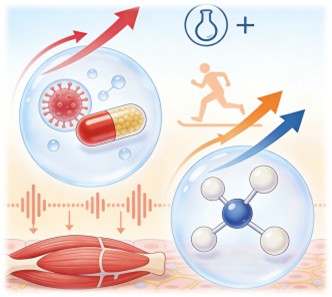
In addition to cortisol, stress-induced changes in fish metabolism can be effectively detected through routine blood biochemical analysis, with glucose and lactate emerging as two of the most informative and widely monitored metabolic indicators. When fish are exposed to stress, the body initiates a series of physiological responses to cope with the stressor, including the release of catecholamines (e.g., adrenaline and noradrenaline) and cortisol into the bloodstream. These hormones act synergistically to trigger glycogenolysis—the breakdown of glycogen stored in the liver and muscles into glucose—and gluconeogenesis—the synthesis of glucose from non-carbohydrate sources such as amino acids and glycerol. This physiological cascade results in a rapid increase in blood glucose levels, which serves to provide the fish's body with a readily available energy source to cope with the stressor. Elevated blood glucose levels are particularly prominent in fish subjected to acute stress events, such as short-term handling, transportation, or sudden environmental shocks, making it a valuable indicator of recent stress exposure.
Lactate, a byproduct of anaerobic glycolysis (the breakdown of glucose in the absence of sufficient oxygen), is another critical metabolic indicator of stress in fish. During periods of stress, fish often experience increased muscle activity (e.g., struggling during handling) and reduced oxygen availability (e.g., due to overcrowding during transportation or impaired respiratory function in response to stress), which forces the body to rely more heavily on anaerobic metabolism to meet energy demands. This shift to anaerobic respiration leads to the accumulation of lactate in the muscles, which is subsequently released into the bloodstream, resulting in elevated blood lactate levels. Unlike glucose, which primarily reflects acute stress responses, lactate levels can remain elevated for a longer period following stress exposure, providing insights into the duration and severity of the stressor, as well as the fish's ability to recover from the stress event. Together, monitoring both blood glucose and lactate levels provides a comprehensive picture of the fish's metabolic state, complementing cortisol measurements and other welfare indicators to enhance the accuracy and reliability of stress and welfare assessments in fish.
If you have related needs, please feel free to contact us for more information or product support.
Reference
| Cat.No | Product Name | Price |
|---|---|---|
| HT-QCY-0003 | A, B & RhD Blood Type Test Kit | Add To Cart |
| HT-QCY-0007 | Coagulation Test Kit | Add To Cart |
| HT-QCY-0009 | Sickle Cell Test Kit | Add To Cart |
| HT-QCY-0006 | Professional Coagulation Rapid Test Kit | Add To Cart |
| HT-QCY-0005 | Single-use Blood Type Test Kit | Add To Cart |
| HT-QCY-0002 | ABO & RhD Blood Type Test Kit | Add To Cart |
| HT-QCY-0001 | Erythropoietin (EPO) Quantikine Test Kit | Add To Cart |
| HT-QCY-0010 | Anemia Test Kit | Add To Cart |
| HT-QCY-0011 | Ferritin Test Kit | Add To Cart |
| HT-QCY-0004 | RhD Blood Type Test Kit | Add To Cart |
| HT-QCY-0008 | Coagulation Function Analysis Kit | Add To Cart |
This article is for research use only. Do not use in any diagnostic or therapeutic application.
|
There is no product in your cart. |
Copyright © 2026 Alta DiagnoTech. All rights reserved.