Nanozyme-Powered Point-Of-Care Diagnostics: A Futuristic Biosensing Paradigm
Nanozymes, a portmanteau of "nanomaterials" and "enzymes," represent a cutting-edge class of artificial enzymes that mimic the catalytic activities of natural enzymes. Unlike traditional enzymes, which are biological macromolecules prone to denaturation and degradation, nanozymes are inorganic or hybrid nanomaterials that offer superior stability, robustness, and cost-effectiveness. Their unique physicochemical properties, including high surface area-to-volume ratio, tunable catalytic activities, and biocompatibility, make them ideal candidates for point-of-care (POC) diagnostics.
- Historical Development
The journey of nanozymes began with the discovery of gold nanoparticles (Au NPs) exhibiting peroxidase-like activity in 2007. This seminal work by Yan and colleagues opened the floodgates for research into nanomaterials with enzyme-mimicking properties. Since then, a plethora of nanomaterials, including metal oxides (e.g., Fe₃O₄, Co₃O₄), metal-organic frameworks (MOFs), carbon-based nanomaterials (e.g., graphene oxide, carbon nanotubes), and bimetallic nanoparticles, have been explored for their nanozyme activities.
- Mechanism of Enzyme-Mimicking Activity
Nanozymes exert their catalytic activities through mechanisms analogous to those of natural enzymes. For instance, peroxidase-mimicking nanozymes catalyze the oxidation of substrates like 3,3',5,5'-tetramethylbenzidine (TMB) in the presence of hydrogen peroxide (H₂O₂), generating a colorimetric signal. The catalytic efficiency of nanozymes is influenced by factors such as size, shape, composition, surface chemistry, pH, and temperature, offering a high degree of tunability for specific diagnostic applications.
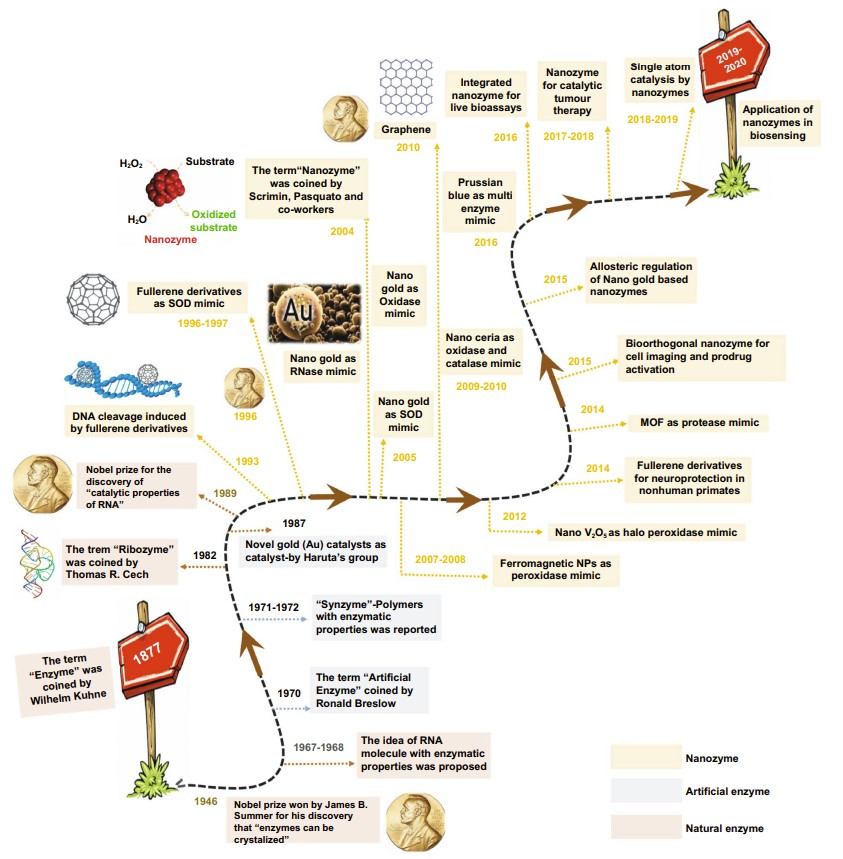 Fig.1 A brief timeline of the development of nanozymes over the years (natural enzymes and artificial enzymes are listed for comparison). (Das B., et al., 2021)
Advantages of Nanozymes in POC Diagnostics
- Cost-Effectiveness
One of the most significant advantages of nanozymes is their low cost of production. Unlike natural enzymes, which require complex and expensive purification processes, nanozymes can be synthesized through simple and scalable chemical methods. This makes them particularly attractive for POC diagnostics in resource-limited settings where cost is a critical factor.
- Stability and Robustness
Nanozymes exhibit exceptional stability under harsh conditions, including extreme pH, temperature, and ionic strength. This robustness ensures that nanozyme-based diagnostic devices maintain their performance even in challenging environments, which is crucial for POC applications in remote or developing regions.
- High Catalytic Efficiency
Despite being artificial, many nanozymes demonstrate catalytic efficiencies comparable to or even surpassing those of natural enzymes. For example, Fe₃O₄ nanozymes have been shown to exhibit peroxidase-like activity with higher affinity for substrates like TMB compared to horseradish peroxidase (HRP), the gold standard in many diagnostic assays.
- Versatility and Tunability
The versatility of nanozymes lies in their ability to mimic multiple types of enzymes, including peroxidase, oxidase, catalase, and superoxide dismutase (SOD). This multifunctionality allows for the development of diagnostic assays for a wide range of analytes. Moreover, the catalytic properties of nanozymes can be fine-tuned by modifying their size, shape, composition, and surface chemistry, enabling precise control over assay sensitivity and specificity.
Applications of Nanozymes in POC Diagnostics

Colorimetric Assays
Colorimetric assays are among the most widely used POC diagnostic methods due to their simplicity, rapidity, and cost-effectiveness. Nanozymes, particularly those with peroxidase-mimicking activity, have been extensively employed in colorimetric assays for the detection of various biomarkers, including glucose, H₂O₂, proteins, and nucleic acids. For example, a paper-based microfluidic device incorporating Fe₃O₄ nanozymes has been developed for the sensitive detection of glucose in human serum samples.
Electrochemical Sensors
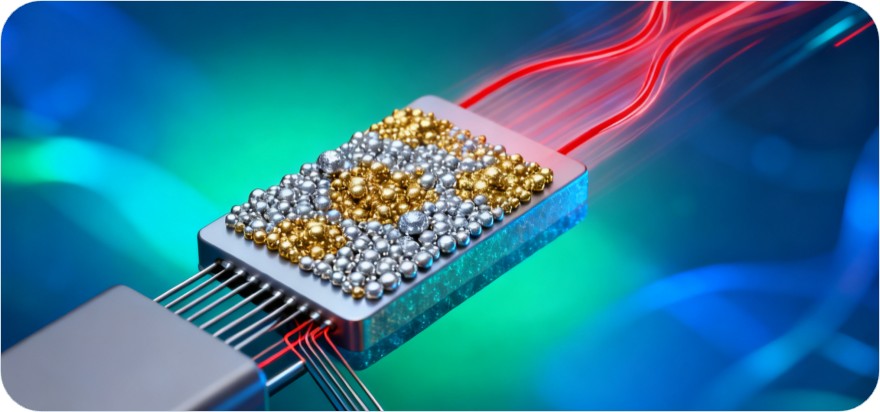
Electrochemical sensors offer high sensitivity and selectivity for POC diagnostics. Nanozymes have been integrated into electrochemical sensors to enhance their performance. For instance, Au@Pt nanozymes have been used to develop an electrochemical immunosensor for the detection of prostate-specific antigen (PSA), achieving a low limit of detection (LOD) of 0.018 ng/mL. The enhanced catalytic activity of nanozymes facilitates rapid electron transfer, leading to improved sensor response times and sensitivity.

Fluorescent and Chemiluminescent Assays
Fluorescent and chemiluminescent assays provide high sensitivity and the potential for multiplexed detection. Nanozymes with oxidase-like activity can generate reactive oxygen species (ROS) that react with luminescent substrates to produce detectable signals. For example, CeO₂ nanozymes have been used to develop a fluorescent assay for the detection of glutathione (GSH), a biomarker of oxidative stress, with high sensitivity and specificity.
Lateral Flow Assays (LFAs)
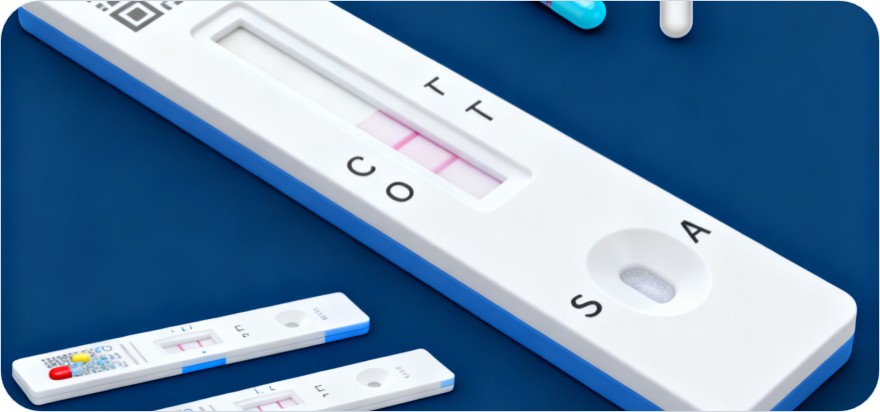
LFAs are a popular POC diagnostic format due to their ease of use, rapidity, and portability. Nanozymes have been incorporated into LFAs to enhance their sensitivity and stability. For instance, Pd-Pt nanozymes have been used in a dual LFA for the simultaneous detection of Salmonella enteritidis and Escherichia coli O157:H7, achieving high sensitivity and specificity. The nanozyme-based LFAs offer a promising solution for on-site detection of pathogens in food safety and public health applications.
Challenges and Future Directions
- Specificity and Selectivity
While nanozymes offer numerous advantages, achieving high specificity and selectivity remains a challenge. Unlike natural enzymes, which often exhibit exquisite substrate specificity, nanozymes can catalyze multiple reactions, leading to potential cross-reactivity. To address this issue, researchers are exploring strategies such as surface modification with specific ligands (e.g., antibodies, aptamers) and the development of multifunctional nanozyme assemblies that mimic the clustered arrangement of enzymes in natural systems.
- Sensitivity Enhancement
Although many nanozymes demonstrate high catalytic efficiency, further enhancement of sensitivity is crucial for detecting low-abundance biomarkers. Rational design of nanozymes with optimized compositions, structures, and surface properties can significantly improve their catalytic activities. Additionally, the integration of nanozymes with signal amplification strategies, such as enzyme-linked immunosorbent assays (ELISAs) and nucleic acid amplification techniques, can further enhance assay sensitivity.
- Standardization and Reproducibility
The reproducibility of nanozyme synthesis and performance across different batches is a critical issue for their commercialization. Standardized protocols for nanozyme synthesis, characterization, and quality control are essential to ensure consistent performance in diagnostic assays. Moreover, comprehensive toxicological studies are needed to assess the biocompatibility and safety of nanozymes for clinical applications.
- Miniaturization and Portability
To fully realize the potential of nanozymes in POC diagnostics, there is a need for the miniaturization and portability of diagnostic devices. Advances in microfluidics, lab-on-a-chip technologies, and smartphone-based readout systems offer promising solutions for developing compact, user-friendly, and cost-effective POC diagnostic platforms. These platforms can leverage the unique properties of nanozymes to provide rapid, accurate, and on-site testing capabilities.
If you have related needs, please feel free to contact us for more information or product support.
Reference
- Das, Bhaskar, et al. "Nanozymes in point-of-care diagnosis: an emerging futuristic approach for biosensing." Nano-micro letters 13.1 (2021): 193.
This article is for research use only. Do not use in any diagnostic or therapeutic application.