Urine Analysis And Alternative Objective Methods For Drug Detection
Adolescence is a period marked by significant physical, emotional, and psychological changes. It is also a time when some individuals may experiment with drugs and alcohol, leading to potential substance use disorders. Early detection and intervention are critical to preventing the long-term harms associated with substance abuse. Adolescent drug testing emerges as a vital tool in this context, offering clinicians a means to monitor and address substance use effectively. This comprehensive guide delves into the various aspects of adolescent drug testing, from its importance and methods to its challenges and best practices.
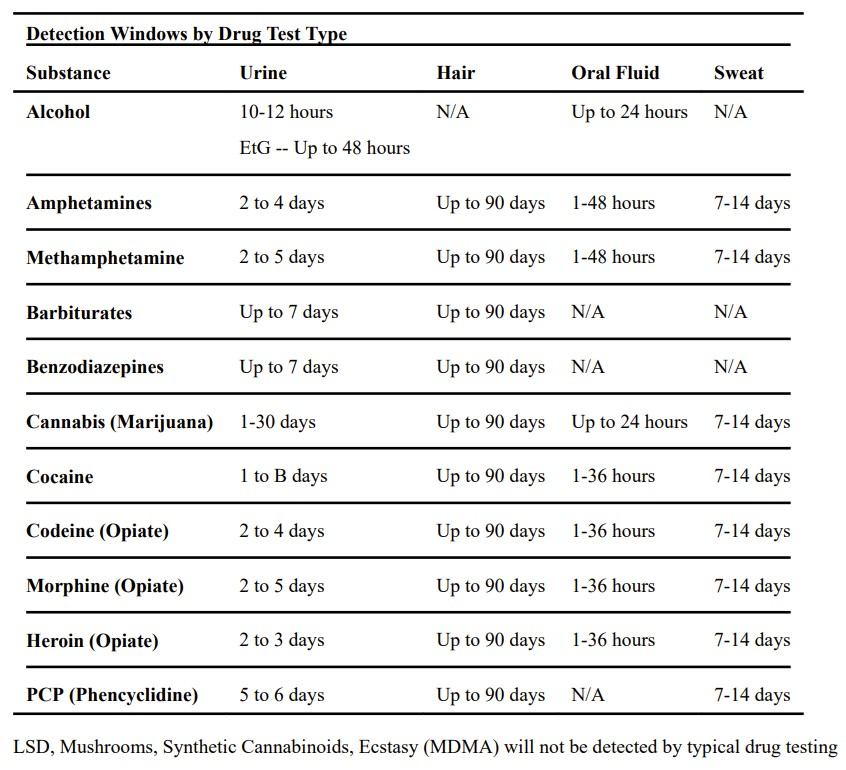 Fig.1 Windows of detection in urine for various substances. (Hadland S. E., et al., 2016)
The Importance of Adolescent Drug Testing
- Early Detection and Intervention
The early identification of substance use in adolescents is of paramount importance for timely and effective intervention. Adolescence is a critical period of development, both physically and psychologically, and substance use during this time can have profound and long-lasting consequences. Drug testing serves as a vital tool in detecting the presence of drugs in the body, providing clinicians with objective evidence to support clinical assessments. This objective data can help differentiate between experimental use and more serious substance use disorders, enabling healthcare providers to tailor their interventions appropriately.
Early intervention is particularly crucial as it can prevent the progression of substance use to full-blown addiction. Adolescents who receive timely support and treatment are less likely to experience the severe consequences associated with chronic substance use, such as academic failure, legal problems, and a range of health issues. By intervening early, clinicians can help adolescents develop healthier coping mechanisms and reduce the likelihood of long-term dependency. Moreover, early detection allows for the implementation of preventive measures that can mitigate the impact of substance use on critical developmental processes, such as brain maturation and emotional regulation.
- Clinical Management and Treatment
Drug testing is an integral component of clinical management for adolescents with substance use disorders. It serves multiple essential functions, including monitoring treatment adherence, detecting relapse, and informing the adjustment of treatment plans. In outpatient treatment settings, regular drug testing can provide clinicians with a clear picture of whether patients are adhering to their treatment plans and abstaining from substance use. This information is invaluable for enhancing the effectiveness of behavioral therapies and pharmacotherapies, as it allows for timely adjustments to treatment strategies based on objective data.
For example, if drug testing reveals that an adolescent has relapsed, clinicians can intervene promptly to address the underlying issues and modify the treatment plan accordingly. This proactive approach not only helps in maintaining abstinence but also reinforces the importance of commitment to recovery. Additionally, consistent drug testing can serve as a motivational tool for adolescents, encouraging them to stay engaged in their treatment programs and fostering a sense of accountability.
- Legal and Social Implications
Adolescent drug testing extends beyond clinical contexts and carries significant legal and social implications. In some jurisdictions, drug testing may be mandated for adolescents involved in the criminal justice system, reflecting the broader societal efforts to address substance use and its associated risks. Similarly, certain industries may require drug testing for employment purposes, emphasizing the importance of maintaining a drug-free environment in the workplace.
Moreover, drug testing can play a crucial role in child custody cases where parental substance use is a concern. In these situations, objective evidence from drug tests can help inform legal decisions and ensure the safety and well-being of children. Understanding the legal framework surrounding adolescent drug testing is essential for clinicians to navigate these complex situations effectively. This includes being aware of the specific laws and regulations governing drug testing, as well as the ethical considerations involved in balancing patient confidentiality with legal obligations.
Methods of Adolescent Drug Testing
- Urine Drug Testing
Urine drug testing is the most commonly used method for detecting substance use in adolescents. It is non-invasive, relatively inexpensive, and can detect a wide range of substances. Urine samples can be collected in various settings, including clinics, schools, and at home under supervision. The most commonly used urine drug test panel includes the "SAMHSA-5," which detects amphetamines, marijuana (THC), cocaine metabolites, opiates, and phencyclidine (PCP).
Advantages
- Non-invasive: Urine collection is a straightforward process that does not require invasive procedures.
- Wide Detection Window: Urine can detect substance use over a period ranging from one day to several weeks, depending on the substance.
- Cost-Effective: Urine drug tests are generally less expensive compared to other methods.
Disadvantages
- Potential for Tampering: Urine samples can be easily adulterated or substituted, requiring observed collection in some cases.
- Limited Specificity: Immunoassay-based urine tests may yield false positives due to cross-reactivity with other substances.
- Blood Drug Testing
Blood drug testing provides a direct measure of the concentration of drugs and their metabolites in the bloodstream. It is typically used in emergency situations where immediate information about substance use is needed.
Advantages
- Accurate: Blood tests provide precise measurements of drug concentrations.
- Immediate Results: Blood tests can detect recent substance use, making them useful in emergencies.
Disadvantages
- Invasive: Blood collection requires venipuncture, which can be uncomfortable and carries a risk of infection.
- Limited Detection Window: Blood tests can only detect substance use that occurred within a few hours to a day prior to testing.
- Oral Fluid Drug Testing
Oral fluid drug testing involves collecting saliva samples to detect the presence of drugs. It is a non-invasive method that is gaining popularity due to its ease of collection and reduced risk of tampering.
Advantages
- Non-invasive: Saliva collection is painless and can be performed quickly.
- Reduced Risk of Tampering: Oral fluid samples are less susceptible to adulteration compared to urine.
Disadvantages
- Short Detection Window: Oral fluid tests can only detect substance use that occurred within the last 24-48 hours.
- Limited Volume: The amount of saliva that can be collected is limited, potentially affecting the sensitivity of the test.
- Hair Drug Testing
Hair drug testing offers a unique window into an individual's substance use history. It can detect drug use over an extended period, ranging from a few weeks to several months, depending on the length of the hair sample.
Advantages
- Long Detection Window: Hair tests can detect substance use over a prolonged period, providing a historical perspective.
- Difficult to Tamper: Hair samples are difficult to adulterate or substitute.
Disadvantages
- Costly: Hair drug testing is generally more expensive compared to other methods.
- Limited Laboratories: Few laboratories offer hair drug testing services, limiting accessibility.
Challenges and Considerations in Adolescent Drug Testing
- Ethical and Legal Considerations
Conducting adolescent drug testing involves navigating complex ethical and legal landscapes. To ensure that testing is both ethical and compliant with legal standards, clinicians must obtain informed consent from both the adolescent and their parent or guardian. This process is crucial for ensuring that all parties understand the purpose, benefits, and limitations of the test. Consent should be informed, meaning that the adolescent and their family are provided with clear, comprehensive information about what the test entails, how the results will be used, and any potential implications.
Moreover, protecting the adolescent's privacy is paramount. Clinicians must adhere to confidentiality laws, such as the Health Insurance Portability and Accountability Act (HIPAA), which govern the handling and disclosure of protected health information. Balancing the need for transparency with the obligation to protect privacy can be challenging, especially when legal or family dynamics are involved. For instance, in cases where parental consent is required but the adolescent expresses concerns about confidentiality, clinicians must carefully navigate these tensions to maintain trust and comply with legal requirements.
- Specimen Collection and Validation
The accuracy of drug test results hinges on proper specimen collection and validation. Clinicians must follow standardized protocols to ensure that specimens are collected correctly and reliably. This includes observed collection when necessary to prevent tampering, which can occur through methods such as dilution or substitution. Standardized procedures help minimize the risk of false-negative or false-positive results, ensuring that the test outcomes are as accurate as possible.
Additionally, laboratories play a critical role in validating specimens. For example, measuring creatinine levels in urine samples can help detect dilution, a common method of attempting to evade detection. Other validation methods may include testing for the presence of adulterants or using confirmatory tests to verify initial screening results. Ensuring that these validation steps are in place helps maintain the integrity of the testing process and provides clinicians with reliable data to inform their clinical decisions.
- Interpretation of Results
Interpreting drug test results requires careful consideration of the clinical context and an understanding of the limitations of different testing methods. Clinicians must avoid making assumptions based solely on test results, as these can be misleading without proper context. For instance, a positive drug test does not necessarily indicate current substance use disorder; it may reflect past use, passive exposure, or even contamination from environmental sources.
Different testing methods have varying windows of detection and sensitivities. For example, urine tests can detect drug use within a few days, while hair tests can provide information about drug use over a longer period. Clinicians must be aware of these differences and consider the clinical history and presenting symptoms when interpreting results. Additionally, false positives can occur due to cross-reactivity with other substances, so confirmatory testing may be necessary to rule out these possibilities.
- Communication of Results
Effective communication of drug test results is essential for maintaining a therapeutic alliance with the adolescent and their family. Clinicians should approach the conversation with empathy and understanding, emphasizing the importance of honesty and open communication in addressing substance use concerns. The goal is to foster a supportive and non-judgmental environment where the adolescent feels comfortable discussing their experiences and concerns.
When communicating results, clinicians should provide clear explanations of what the test results mean and what they do not mean. For example, explaining that a positive result may require further evaluation to determine the context of use can help prevent misunderstandings. Additionally, clinicians should be prepared to provide appropriate referrals for further evaluation and treatment when necessary. This may include connecting the adolescent with specialized substance use disorder services, mental health professionals, or support groups.
If you have related needs, please feel free to contact us for more information or product support.
Reference
- Hadland, Scott E., and Sharon Levy. "Objective testing: urine and other drug tests." Child and Adolescent Psychiatric Clinics 25.3 (2016): 549-565.
Drug Abuse Test Kits (ICT)
This article is for research use only. Do not use in any diagnostic or therapeutic application.