Unraveling the Cause of Dilated Cardiomyopathy (DCM): Integrating Imaging, Biomarkers, and Genetic Insights
Dilated cardiomyopathy (DCM) is a myocardial disease characterized by ventricular dilation and systolic dysfunction that requires systematic evaluation to determine its underlying etiology. This resource provides a comprehensive guide to the modern diagnostic approach for DCM, detailing how to effectively integrate multimodality imaging, molecular biomarkers, and genetic analysis to establish an accurate diagnosis.
Introduction to Dilated Cardiomyopathy (DCM)
Dilated cardiomyopathy (DCM) is a myocardial disease characterized by systolic dysfunction and dilation of the left ventricle or both ventricles, not explained solely by abnormal loading conditions or coronary artery disease. This condition impairs the heart's ability to pump blood effectively, leading to symptoms of heart failure, arrhythmias, and an increased risk of sudden cardiac death. The etiology is diverse, encompassing genetic mutations, viral myocarditis, toxic insults, and autoimmune processes, making the diagnostic journey a comprehensive process of identifying the underlying cause to guide targeted management and family screening.
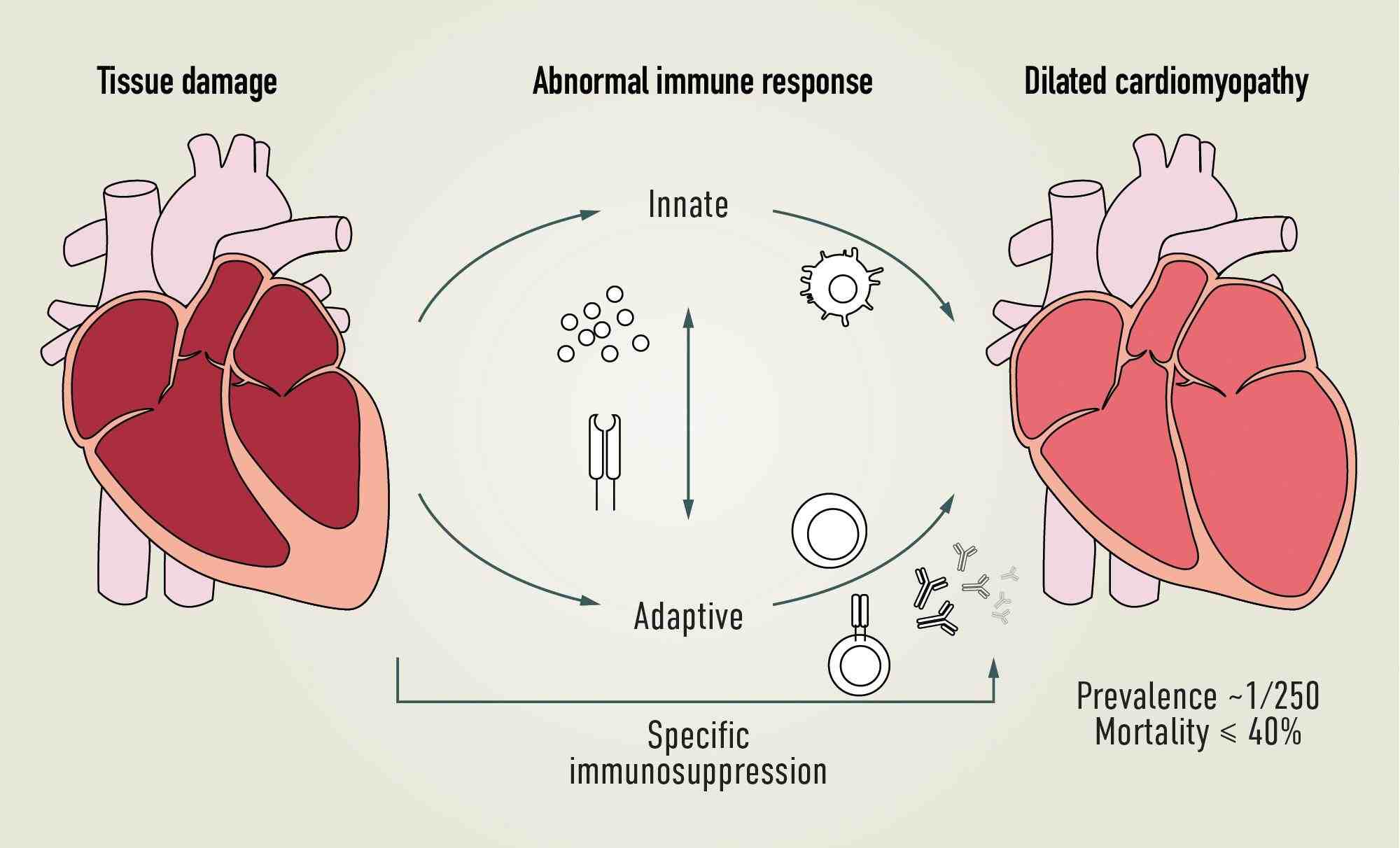 Fig.1 The pathogenesis of dilated cardiomyopathy (DCM). (Harding D, et al., 2023)
The Imaging Pillar: Assessing Structure and Characterizing Tissue
Modern diagnosis of dilated cardiomyopathy (DCM) relies heavily on advanced imaging to not only confirm the presence of ventricular dysfunction but also to characterize myocardial tissue for clues to the underlying etiology. This pillar moves beyond simple assessment to provide a detailed phenotypic profile of the disease, integrating anatomical and functional data with tissue-level information that is critical for differential diagnosis and prognosis.
Transthoracic Echocardiography (TTE)
Transthoracic echocardiography (TTE) serves as the essential, first-line imaging tool for initial diagnosis and serial monitoring. It provides a rapid, non-invasive assessment of left ventricular size, systolic function (ejection fraction), and wall motion, while also identifying complications such as intracardiac thrombi and functional mitral regurgitation. Despite its foundational role, its limitations in image quality and tissue characterization often necessitate further investigation with more advanced modalities.
Cardiac Magnetic Resonance (CMR)
Cardiac magnetic resonance (CMR) is the gold standard for precise volumetric assessment and, more importantly, for non-invasive tissue characterization. It excels in providing highly accurate measurements of biventricular volumes and function. Crucially, through techniques like late gadolinium enhancement (LGE) and T1 mapping, CMR can detect and quantify myocardial fibrosis, inflammation, or infiltration, offering vital insights to distinguish DCM from etiologies like myocarditis, amyloidosis, or sarcoidosis.
The Biomarker Pillar: Interpreting the Molecular Signals
In the diagnostic evaluation of dilated cardiomyopathy (DCM), circulating biomarkers provide crucial, real-time insights into the underlying pathophysiological processes that imaging alone cannot fully capture. They serve as accessible molecular tools to detect myocardial wall stress, ongoing cellular injury, and active remodeling, thereby playing a vital role in confirming the clinical syndrome, gauging disease severity, and offering prognostic information. This pillar is built upon established clinical biomarkers and complemented by promising research tools, encompassing natriuretic peptides, cardiac troponins, and novel biomarkers.
Natriuretic Peptides (BNP/NT-proBNP)
Natriuretic peptides (BNP/NT-proBNP) are hormones released by the ventricles in response to volume expansion and pressure overload, making them the cornerstone biomarkers for diagnosing and monitoring the severity of hemodynamic heart failure in DCM. Elevated levels strongly correlate with the clinical severity of heart failure, guide therapy decisions, and provide powerful prognostic information regarding hospitalization and mortality risk.
Cardiac Troponins (cTnI/cTnT)
Cardiac troponins (cTnI/cTnT) are highly specific proteins released upon myocyte injury and necrosis. In DCM, low-level, persistent elevations indicate chronic, subclinical myocardial damage, often driven by ongoing inflammation, microvascular ischemia, or direct toxic insults. In the context of acute clinical deterioration, a significant rise in troponin can signal an active insult, such as an exacerbation of myocarditis.
Emerging & Research Biomarkers
Emerging and research biomarkers represent the next frontier in DCM management, focusing on the process of myocardial fibrosis and remodeling. Molecules such as soluble ST2 (sST2) and Galectin-3 are released in response to mechanical stress and actively promote fibrotic pathways. While currently classified as research use only (RUO), these biomarkers hold significant promise for providing a more nuanced assessment of remodeling activity and long-term prognosis beyond the established markers.
The Genetic Pillar: Uncovering the Hereditary Blueprint
Genetic testing serves as a foundational pillar in dilated cardiomyopathy (DCM) management by uncovering the underlying hereditary cause in a significant proportion of idiopathic cases. This approach transforms the diagnostic process from simply confirming the phenotype to identifying the specific molecular etiology, most frequently involving mutations in genes encoding sarcomere, cytoskeletal, and nuclear envelope proteins. By identifying a pathogenic variant, genetic testing not only provides a definitive explanation for the patient's condition but also enables targeted cascade screening of asymptomatic family members, facilitating early intervention and personalized risk assessment, thereby shifting the management paradigm from reactive treatment to proactive, precision medicine.
Featured Products for Dilated Cardiomyopathy (DCM) Diagnostics
Alta DiagnoTech provides a comprehensive suite of in vitro diagnostic (IVD) solutions for dilated cardiomyopathy (DCM), supporting the complete clinical workflow from initial diagnosis and heart failure monitoring to specialized etiological investigation. If you have related needs, please feel free to contact us for more information or product support.
| Product Name |
Technology |
Application |
| NT-proBNP Quantitative Assay |
Electrochemiluminescence Immunoassay (ECLIA) |
Heart failure diagnosis and monitoring in DCM patients |
| High-Sensitivity Cardiac Troponin I Assay |
Chemiluminescence Immunoassay (CLIA) |
Detection of myocardial injury in DCM |
| BNP Rapid Quantitative Test |
Fluorescence Immunoassay (FIA) |
Point-of-care heart failure assessment |
| Cardiac Function Panel (BNP + Troponin) |
Chemiluminescence Immunoassay (CLIA) |
Comprehensive assessment of heart failure and myocardial injury |
| sST2 Quantitative Assay |
Chemiluminescence Immunoassay (CLIA) |
Myocardial fibrosis risk assessment in heart failure |
| Galectin-3 Test |
Enzyme-Linked Immunosorbent Assay (ELISA) |
Cardiac remodeling and fibrosis evaluation |
| Myoglobin Rapid Test |
Immunochromatographic Assay |
Early detection of acute myocardial injury |
| D-Dimer Quantitative Assay |
Immunoturbidimetric Assay |
Thrombosis risk assessment in DCM patients |
Reference
- Harding D, Chong M H A, Lahoti N, et al. Dilated cardiomyopathy and chronic cardiac inflammation: Pathogenesis, diagnosis and therapy[J]. Journal of internal medicine, 2023, 293(1): 23-47.
This article is for research use only. Do not use in any diagnostic or therapeutic application.