Hypertension is a prevalent cardiovascular condition characterized by persistently elevated blood pressure that significantly increases the risk of heart, brain, and kidney diseases. This resource provides a comprehensive guide to the systematic diagnostic approach for hypertension, detailing how a structured algorithm integrating accurate blood pressure measurement with essential and advanced biomarker testing enables precise diagnosis, effective risk stratification, and identification of secondary causes.
Overview of Hypertension
Hypertension, commonly known as high blood pressure, is a chronic medical condition characterized by persistently elevated pressure in the systemic arteries. This condition forces the heart to work harder to pump blood throughout the body and, if left uncontrolled, can silently damage blood vessels and vital organs over time, significantly increasing the risk of serious complications including heart attack, stroke, kidney failure, and other cardiovascular diseases. Often called the "silent killer" due to its frequently asymptomatic nature, its diagnosis relies on accurate and repeated blood pressure measurements followed by a comprehensive evaluation to determine its classification, identify potential underlying causes, and assess overall cardiovascular risk.
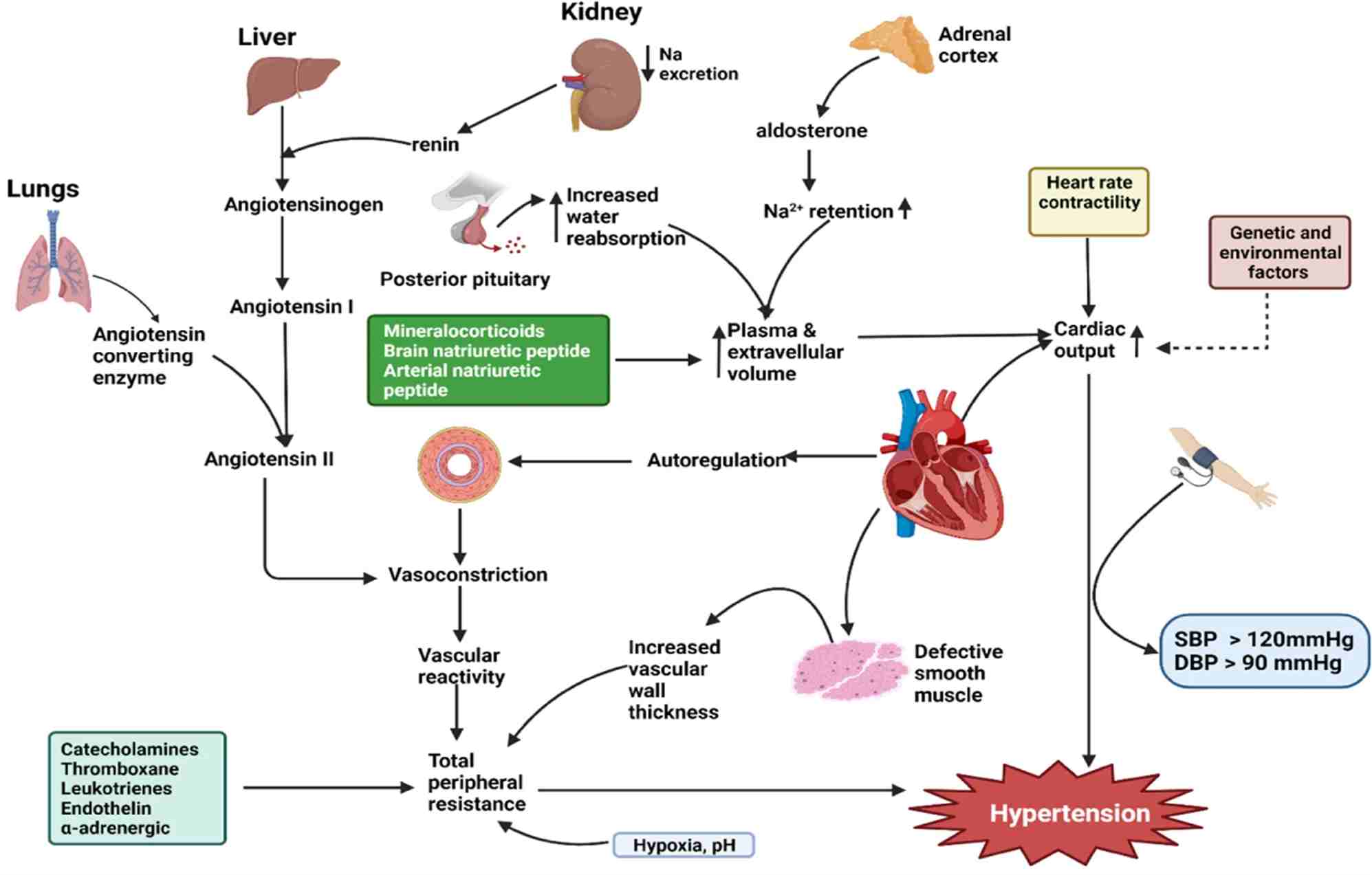 Fig.1 The role of multiple factors in the regulation of blood pressure. (Adua E., 2023)
Step 1: Establishing the Baseline - Accurate BP Measurement & Classification
This initial phase forms the critical foundation for hypertension diagnosis, requiring precise technique and systematic classification to ensure an accurate baseline assessment.
Standardized Measurement Technique
Accurate diagnosis depends on strict adherence to standardized measurement protocols. This includes proper patient preparation (e.g., rest period, correct positioning), use of validated equipment, and selection of an appropriately sized cuff to obtain reliable readings.
Blood Pressure Classification
Based on consistent measurements obtained across multiple visits, blood pressure levels are categorized according to established clinical guidelines:
- Normal: Systolic <120 mmHg and Diastolic <80 mmHg
- Elevated: Systolic 120-129 mmHg and Diastolic <80 mmHg
- Stage 1 Hypertension: Systolic 130-139 mmHg or Diastolic 80-89 mmHg
- Stage 2 Hypertension: Systolic ≥140 mmHg or Diastolic ≥90 mmHg
Step 2: The Core Laboratory Evaluation - Essential Biomarkers
Following the confirmation of elevated blood pressure, a core laboratory evaluation serves as the foundational diagnostic step for every hypertensive patient. This essential panel of tests moves beyond simple diagnosis, providing critical data for comprehensive risk stratification and initial screening for underlying secondary causes, a process that fundamentally relies on the precise measurement and interpretation of key biomarkers.
Basic Metabolic Panel
Basic metabolic panel is pivotal for initial screening. Measurement of sodium and potassium is crucial for identifying electrolyte imbalances suggestive of endocrine disorders such as primary aldosteronism. Simultaneously, creatinine and the calculated estimated glomerular filtration rate (eGFR) provide a direct assessment of renal function, helping to identify if the kidneys are a cause or a consequence of hypertension.
Lipid Profile & HbA1c
Lipid profile & HbA1c are indispensable for comprehensive cardiovascular risk assessment. Since hypertension rarely exists in isolation, these tests identify concomitant risk factors like dyslipidemia and diabetes, which significantly amplify a patient's overall risk for atherosclerotic cardiovascular disease (ASCVD) and inform the intensity of required management.
Urinalysis
Urinalysis, particularly the detection of proteinuria or albuminuria, acts as a sensitive early marker for renal damage. The presence of protein in the urine indicates hypertensive nephropathy, confirming target organ damage and signaling the need for more aggressive blood pressure control and renoprotective therapy.
Step 3: Advanced Assessment - Targeted Biomarkers for Complex Cases
When standard management proves ineffective or specific clinical clues emerge, a targeted diagnostic approach becomes necessary to investigate secondary hypertension. This advanced assessment utilizes specialized biomarkers to identify underlying endocrine and renal disorders that require specific treatment strategies beyond conventional antihypertensive therapy.
- Aldosterone-to-Renin Ratio (ARR) serves as the primary screening tool for primary aldosteronism. This biomarker combination is particularly indicated in cases of resistant hypertension, spontaneous hypokalemia, or when hypertension is diagnosed at a young age.
- Plasma/Urine Metanephrines provide crucial diagnostic information for pheochromocytoma screening. These catecholamine metabolites should be measured in patients with paroxysmal hypertension episodes, associated headaches, palpitations, or sweating.
- Thyroid Function Tests (particularly TSH) are essential for identifying thyroid dysfunction as a contributing factor. Both hyperthyroidism and hypothyroidism can significantly impact blood pressure regulation and should be evaluated in cases of abrupt blood pressure changes or refractory hypertension.
Step 4: Integrating Results - The Complete Diagnostic Picture
The final diagnostic phase synthesizes all collected data—blood pressure patterns, core laboratory results, and advanced biomarker findings—to form a comprehensive clinical picture. This integration enables accurate differentiation between primary and secondary hypertension, reveals the extent of target organ damage, and establishes the patient's individualized cardiovascular risk profile, thereby guiding the development of a tailored and effective long-term management strategy.
Featured Products for Hypertension Diagnostics
Alta DiagnoTech provides a comprehensive portfolio of IVD and research solutions for hypertension management, supporting the complete diagnostic pathway from initial screening to advanced etiological investigation. Our robust assays deliver critical data for accurate diagnosis, cardiovascular risk stratification, and identification of secondary causes, empowering clinicians to develop personalized treatment strategies. If you have related needs, please feel free to contact us for more information or product support.
| Product Name |
Technology |
Application |
| Electrolyte Panel Assay |
Ion-Selective Electrode (ISE) |
Quantitative measurement of sodium, potassium, and chloride for hypertension screening and monitoring |
| Renal Function Panel |
Enzymatic Colorimetric Method |
Comprehensive assessment of kidney function through creatinine, BUN, and eGFR analysis |
| Aldosterone Renin Ratio Assay |
Chemiluminescent Immunoassay (CLIA) |
Screening and diagnosis of primary aldosteronism |
| Cardiovascular Risk Panel |
Multiple Technologies |
Integrated assessment of lipid profile and HbA1c for cardiovascular risk stratification |
| Plasma Free Metanephrines ELISA Kit |
Enzyme-Linked Immunosorbent Assay |
Quantitative detection of metanephrines for pheochromocytoma diagnosis (Research Use Only) |
| Thyroid Function Testing Panel |
Chemiluminescent Immunoassay (CLIA) |
Comprehensive evaluation of thyroid status including TSH, FT3, and FT4 measurements |
Reference
- Adua E. Decoding the mechanism of hypertension through multiomics profiling[J]. Journal of Human Hypertension, 2023, 37(4): 253-264.
This article is for research use only. Do not use in any diagnostic or therapeutic application.