The accurate diagnosis of propionic acidemia (PA) requires a coordinated multi-method approach that integrates biochemical, enzymatic, and genetic analyses. This resource details the complete diagnostic pathway, from newborn screening using tandem mass spectrometry through definitive genetic confirmation, providing clinicians and laboratory professionals with a systematic framework for timely and accurate diagnosis.
Overview of Propionic Acidemia (PA)
Propionic acidemia (PA) is a rare, life-threatening autosomal recessive disorder caused by a deficiency in the enzyme propionyl-CoA carboxylase, which is essential for metabolizing specific amino acids and fatty acids. This defect leads to the toxic accumulation of organic acids like propionic acid and its derivatives in the body, resulting in severe metabolic crises characterized by poor feeding, vomiting, lethargy, and hyperammonemia. If untreated, the condition can progress to profound neurological impairment or death, making rapid diagnosis through biomarker screening, enzymatic testing, and genetic confirmation critical for initiating life-saving dietary management and medical treatment.
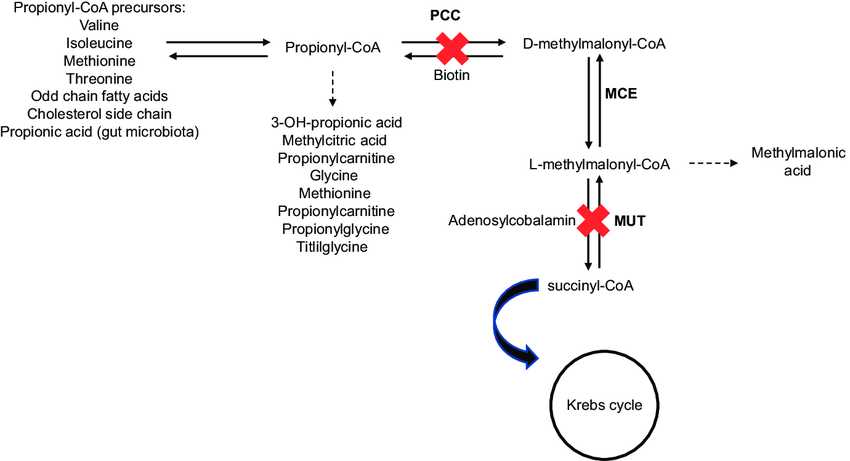 Fig.1 Metabolic pathway of propionate. (Medina-Torres, E. A., et al., 2021)
Key Diagnostic Biomarkers for Propionic Acidemia (PA)
The diagnosis of propionic acidemia (PA) relies heavily on the detection of specific biochemical biomarkers that accumulate due to the functional deficiency of propionyl-CoA carboxylase. These biomarkers provide crucial evidence at different stages of the diagnostic pathway, from initial newborn screening to definitive biochemical confirmation.
Newborn Screening-Propionylcarnitine (C3)
The initial and crucial indicator for propionic acidemia (PA) in newborn screening is the significant elevation of propionylcarnitine (C3) detected through tandem mass spectrometry (MS/MS) analysis of dried blood spots. An elevated C3 level, particularly when combined with an increased C3/C2 (acetylcarnitine) ratio, provides a highly sensitive screen that triggers the urgent need for definitive diagnostic testing.
Diagnostic Confirmation-Urinary Organic Acids
Definitive biochemical confirmation of PA relies on gas chromatography-mass spectrometry (GC-MS) analysis of urinary organic acids, which reveals a characteristic and diagnostic pattern of elevated metabolites:
- Methylcitrate: A highly specific and pathognomonic marker that accumulates due to the metabolic block in the citric acid cycle.
- 3-Hydroxypropionate: A consistently and significantly elevated intermediate that directly reflects the underlying enzymatic defect.
- Propionylglycine: The glycine conjugate of propionic acid, serving as a direct detoxification product whose elevation confirms the presence of excess propionate.
- Tiglylglycine: Often elevated due to the secondary inhibition of multiple dehydrogenases by accumulating toxic compounds.
The Role of Enzymatic Assays in Propionic Acidemia (PA) Diagnostics
Enzymatic assays provide definitive functional confirmation of propionic acidemia (PA) by directly measuring the activity of propionyl-CoA carboxylase (PCC) in cultured patient cells, such as fibroblasts or lymphocytes. This test is crucial because it moves beyond identifying accumulating biomarkers to directly demonstrating the underlying enzymatic deficiency, thereby conclusively validating the biochemical diagnosis. A confirmed diagnosis enables accurate genetic counseling and is particularly valuable for guiding family studies and prenatal diagnosis, especially in cases where genetic test results are ambiguous or variants of unknown significance are identified.
Genetic Analysis of PCCA and PCCB Genes
Genetic analysis represents the definitive level of diagnosis for propionic acidemia (PA), moving from the biochemical consequences of the disease to identifying its root genetic cause. This involves testing for pathogenic variants in two specific genes, PCCA and PCCB, which encode the alpha and beta subunits, respectively, of the propionyl-CoA carboxylase (PCC) enzyme. Biallelic pathogenic mutations in either of these genes disrupt the assembly or function of the PCC enzyme complex, leading to the disease.
- Confirmation of Diagnosis: Identifying biallelic pathogenic variants in PCCA or PCCB provides the ultimate molecular confirmation of PA, validating the biochemical findings from newborn screening and organic acid analysis.
- Carrier Testing for Family Members: Once the specific familial mutations are known, genetic testing allows for accurate and reliable identification of heterozygous carriers among the proband's relatives, which is essential for genetic counseling.
- Prenatal Diagnosis: In families with a known history of PA, genetic analysis can be performed on fetal DNA obtained through chorionic villus sampling or amniocentesis to determine if the fetus is affected.
- Genotype-Phenotype Correlations: While often complex, certain types of mutations in the PCCA or PCCB genes can sometimes provide insight into the potential severity of the disease, helping to inform long-term management and prognostic expectations.
The Integrated Diagnostic Pathway for Propionic Acidemia (PA)
The modern diagnosis of propionic acidemia (PA) follows a streamlined, multi-tiered pathway that integrates complementary laboratory methods to ensure both speed and accuracy. This approach systematically progresses from initial screening to biochemical confirmation and finally to definitive molecular characterization, with each step validating and refining the previous one.
First Tier: Newborn Screening
The diagnostic pathway initiates with newborn screening using tandem mass spectrometry (MS/MS) to analyze dried blood spots. This first-line screening detects elevated levels of propionylcarnitine (C3) and an increased C3/C2 ratio, serving as crucial early indicators that trigger immediate further investigation for at-risk infants before symptom onset.
Second Tier: Biochemical Confirmation
Following a positive screening result, definitive biochemical confirmation is obtained through urinary organic acid analysis via gas chromatography-mass spectrometry (GC-MS). This essential step identifies the characteristic metabolic pattern of markedly elevated compounds including methylcitrate, 3-hydroxypropionate, and propionylglycine, providing conclusive evidence of the metabolic derangement.
Third Tier: Definitive Confirmation
The diagnostic pathway culminates with definitive testing through either enzymatic or genetic analysis. Enzymatic assays measure propionyl-CoA carboxylase activity to functionally confirm the deficiency, while genetic testing identifies biallelic pathogenic variants in the PCCA or PCCB genes, providing molecular confirmation and enabling family studies.
IVD Products for Propionic Acidemia (PA)
Advancing beyond traditional testing approaches, Alta DiagnoTech's diagnostic solutions enable a seamless transition from initial screening to comprehensive confirmation for propionic acidemia (PA). This integrated portfolio supports the complete diagnostic pathway, providing laboratories with the precision tools needed to deliver timely and definitive results throughout the clinical decision-making process. If you have related needs, please feel free to contact us for more information or product support.
| Product Category |
Product Name |
Description |
| Newborn Screening |
C3 Acylcarnitine Quantitative Assay Kit (DBS) |
First-line newborn screening for PA; MS/MS-based quantification of propionylcarnitine (C3) with C3/C2 ratio calculation. |
| Biochemical Confirmation |
PA Urinary Metabolite Panel (GC-MS) |
Definitive biochemical confirmation; multaneous detection of methylcitrate, 3-hydroxypropionate, and propionylglycine. |
| Enzymatic Confirmation |
Propionyl-CoA Carboxylase (PCC) Activity Assay |
Functional confirmation of diagnosis; Measures PCC enzyme activity in cultured fibroblasts. |
| Genetic Confirmation |
PA Genetic Analysis Panel |
Molecular diagnosis and carrier testing; Comprehensive sequencing of PCCA and PCCB genes. |
Reference
- Medina-Torres, E. A., et al. "Abnormalities in subsets of B and T cells in Mexican patients with inborn errors of propionate metabolism: observations from a single-center case series." Allergologia et Immunopathologia 49.1 (2021): 101-106.
This article is for research use only. Do not use in any diagnostic or therapeutic application.