Revealing the Enigma of Organophosphorus Insecticide Self-Poisoning

Revealing the Enigma of Organophosphorus Insecticide Self-Poisoning

Organophosphorus (OP) insecticides, widely used in agriculture for their potent pest control properties, have inadvertently become one of the leading causes of acute poisoning and suicide globally. Annually, over a million people are affected, with a staggering 100,000 fatalities. The alarming rise in OP insecticide self-poisoning underscores the urgent need for comprehensive understanding, prevention strategies, and effective medical management.

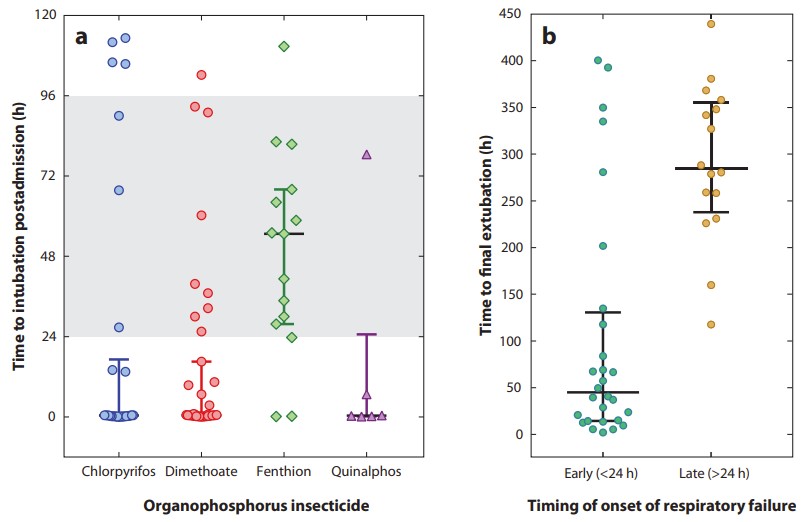
Intubation/extubation course after self-poisoning with selected OP pesticides.Fig.1 Intubation and extubation timelines for self-poisoning with several particular OP insecticides. (Eddleston M., 2019)


The Toxicological Mechanism of OP Insecticides

Inhibition of Acetylcholinesterase (AChE)

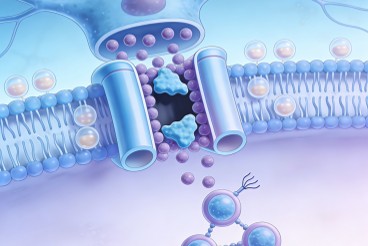
The primary toxicological mechanism of OP insecticides involves the inhibition of acetylcholinesterase (AChE), an enzyme crucial for the breakdown of acetylcholine at cholinergic synapses throughout the central and peripheral nervous systems, as well as at neuromuscular junctions. This inhibition leads to an overaccumulation of acetylcholine, causing overstimulation of muscarinic and nicotinic receptors.

Clinical Manifestations

The clinical manifestations of OP poisoning are diverse and severe, including excess sweating, salivation, bronchospasm, bronchorrhea (pulmonary edema), bradycardia, hypotension, neuromuscular junction (NMJ) dysfunction, and reduced consciousness. Patients often die from respiratory failure due to a combination of central respiratory drive loss, NMJ dysfunction, and hypoxia from bronchorrhea.

Variability in OP Insecticide Toxicity

  • Chemical Properties and Toxicity
    OP insecticides vary widely in their chemical properties, including lipophilicity, speed of activation, and potency of AChE inhibition. These differences result in variable speeds of poisoning onset, severity, clinical toxidrome, and case fatality. For instance, lipophilic OP insecticides such as chlorpyrifos and dimethoate tend to produce more delayed and prolonged toxicity compared to their hydrophilic counterparts.
  • Case Studies
    Studies have shown that the ingestion of highly toxic OP insecticides like parathion can induce coma and respiratory arrest within 15-30 minutes, while less toxic compounds may take hours or even days to manifest severe symptoms. This variability underscores the importance of understanding the specific OP insecticide involved in each poisoning case.

Current Treatment Approaches

Atropine Administration

Atropine, a muscarinic receptor antagonist, is the cornerstone of OP poisoning treatment. It counteracts the effects of excess acetylcholine at muscarinic receptors, alleviating symptoms such as bronchospasm, bronchorrhea, and bradycardia. Rapid titration of atropine during resuscitation is lifesaving and can be performed even in the absence of oxygen.

Oximes: Controversy and Efficacy

Oximes, such as pralidoxime and obidoxime, are drugs designed to reactivate AChE inhibited by OP compounds. However, their efficacy remains controversial. While oximes are effective in reactivating AChE inhibited by certain OP insecticides, their benefit is limited in cases involving highly toxic or lipophilic OP compounds. Systematic reviews and meta-analyses have shown inconsistent results, highlighting the need for further research.

Supportive Care

Supportive care, including oxygen therapy, fluid resuscitation, and mechanical ventilation, is crucial for managing OP-poisoned patients. Many patients require intubation and ventilation due to respiratory failure. The duration of ventilation varies depending on the severity of poisoning and the specific OP insecticide involved.

Novel and Experimental Treatments

Magnesium Sulfate and Calcium Channel Blockers

Magnesium sulfate and calcium channel blockers (CCBs) have been proposed as potential treatments for OP poisoning. These agents may reduce acetylcholine release by interrupting calcium flow through presynaptic channels. Animal studies and preliminary clinical trials suggest a benefit, but further research is needed to confirm their efficacy.

Sodium Bicarbonate for Plasma Alkalinization

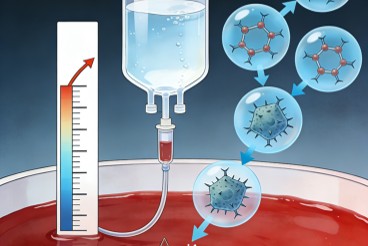
Sodium bicarbonate has been proposed as an antidote for OP poisoning to alkalinize the plasma, potentially enhancing pesticide clearance and improving oxime efficacy. However, the evidence supporting its use is limited, and further studies are needed to determine its clinical benefit.

Lipid Emulsions

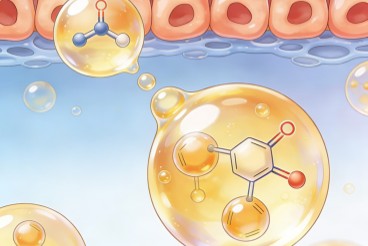
Lipid emulsions have been widely recommended for acute poisoning with lipid-soluble poisons. While some rodent studies and uncontrolled human trials suggest a benefit, the evidence remains inconclusive. Concerns have also been raised about the potential for lipid emulsions to increase absorption of OP insecticides from the gut.

Prevention Strategies

  • Regulatory Measures
    Banning the most hazardous OP insecticides has proven effective in reducing suicide rates in several countries. For instance, Sri Lanka's ban on WHO Class I OP insecticides, combined with bans on other highly toxic pesticides, has saved an estimated 93,000 lives over 20 years. Implementing similar bans worldwide could significantly reduce the global burden of OP insecticide self-poisoning.
  • Safe Storage and Handling
    Improving the safe storage and handling of pesticides is crucial for preventing accidental and intentional poisonings. Educating farmers and rural communities about the proper storage of pesticides, away from children and individuals at risk of self-harm, can significantly reduce the incidence of poisoning.
  • Mental Health Support
    Addressing the underlying mental health issues that contribute to self-poisoning is essential for long-term prevention. Providing access to mental health services, counseling, and support groups can help individuals at risk of self-harm find healthier coping mechanisms.

Future Directions in Research and Treatment

  • Understanding the Pivotal Pathology
    Further research is needed to better understand the pivotal pathology of OP insecticide poisoning, including the role of solvents and other coingestants. This may reveal new therapeutic avenues and improve the effectiveness of current treatments.
  • Large-Scale Randomized Controlled Trials
    Given the variability in OP insecticide poisoning, large-scale randomized controlled trials (RCTs) are needed to provide definitive data on the efficacy of novel treatments. These trials should be designed to account for the heterogeneity in baseline characteristics and poisoning severity.
  • Global Collaboration
    Global collaboration among researchers, healthcare providers, and policymakers is essential for addressing the global burden of OP insecticide self-poisoning. Sharing knowledge, resources, and best practices can accelerate progress in prevention, treatment, and research.

If you have related needs, please feel free to contact us for more information or product support.

Reference

  1. Eddleston, Michael. "Novel clinical toxicology and pharmacology of organophosphorus insecticide self-poisoning." Annual review of pharmacology and toxicology 59.1 (2019): 341-360.

This article is for research use only. Do not use in any diagnostic or therapeutic application.

Get in Touch
0
0

There is no product in your cart.