- Home
- Resource
- Explore & Learn
- How Urine Test Strips Affect Iodine Nutrition Surveys


- Home
- IVD
- By Technology Types
- By Diseases Types
- By Product Types
- Research
- Resource
- Distributors
- Company

Iodine, a vital micronutrient, is crucial for the synthesis of thyroid hormones, which regulate metabolism, growth, and development. Monitoring iodine levels in populations is essential to prevent iodine deficiency disorders (IDD) and excess iodine-induced thyroid dysfunction. Urine tests, particularly measuring urinary iodine concentration (UIC), are the cornerstone of iodine nutrition surveys due to their non-invasive nature and high correlation with dietary iodine intake. However, recent findings from the Faroe Islands have brought to light a significant yet overlooked issue: contamination of urine samples by test strips, leading to inaccurate UIC results.
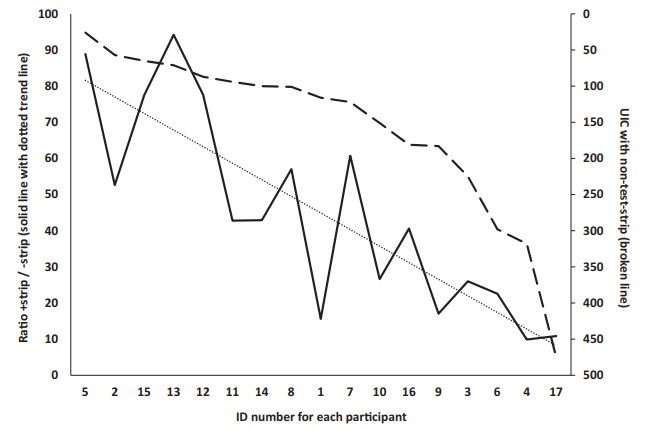 Fig.1 The ratio (left y-axis) of iodine concentration in urine samples before and after urine test strip (solid line and dotted trend). (Veyhe A. S., et al., 2022)
The median urinary iodine concentration (UIC) in pristine (untouched) urine samples was found to be 116 µg/L. This baseline level was positively correlated with the intake of iodine-rich foods, reflecting the normal variation in iodine levels based on dietary habits. However, in a striking contrast, urine samples that had been exposed to test strips exhibited a dramatic increase in UIC. The contamination levels were alarming, with UIC values ranging from 10 to 94 times higher than those of the non-dipped samples. This indicated that even brief exposure to test strips could significantly contaminate urine samples, rendering them unreliable for assessing iodine nutrition. The extent of contamination was so severe that it could mask the true iodine status of the individuals, potentially leading to incorrect conclusions about their iodine intake and health status.
In parallel with the findings from urine samples, tap water samples exposed to test strips also exhibited a significant increase in iodine concentration, highlighting the pervasive nature of this contamination issue. Pristine tap water samples, which served as controls, contained a baseline iodine concentration of 2–4 µg/L. However, after exposure to test strips for just 60 seconds, the iodine concentration in these samples soared to an astonishing 10,000 µg/L. This time-dependent increase in iodine concentration underscored the severity of the contamination problem. The consistent pattern observed across multiple samples confirmed that test strips were a significant source of iodine contamination, capable of introducing substantial amounts of iodine into any liquid they came into contact with.
Test Strip Composition
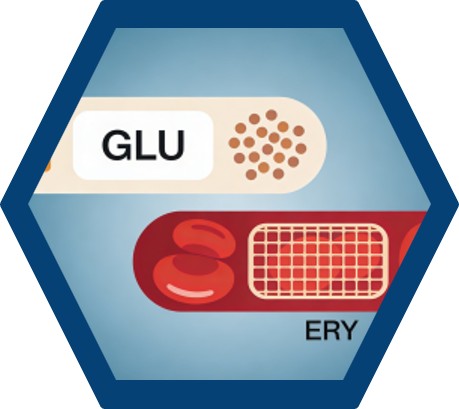
Investigations into the composition of the test strips revealed that they contained iodine, primarily in the glucose (GLU) and erythrocyte (ERY) test pads. The GLU pad was specifically treated with iodine to reduce interference from ascorbic acid, a common substance that can affect the accuracy of glucose measurements. Meanwhile, the ERY pad incorporated an iodate mesh, which is used to enhance the detection of erythrocytes (red blood cells) in urine samples. Although the presence of iodine was not explicitly stated in the package inserts, confirmations from the manufacturers indicated that iodine could leach into urine samples during testing. This unintended iodine release posed a significant risk of contamination, particularly in tests designed to measure urinary iodine concentration (UIC).

Duration of Exposure
The extent of contamination was found to be directly proportional to the duration of test strip exposure. Even brief contact of just a few seconds was sufficient to introduce significant amounts of iodine into the samples. As the exposure time increased, so did the concentration of iodine, exacerbating the problem. This time-dependent increase in iodine contamination underscored the critical importance of strict adherence to sample collection protocols. Any deviation from the recommended procedures could lead to substantial contamination, rendering the UIC measurements unreliable. Therefore, it is essential for healthcare providers and researchers to follow precise guidelines when using these test strips to ensure accurate and valid results.

Contaminated urine samples lead to erroneous urinary iodine concentration (UIC) measurements, which in turn compromise the validity of iodine nutrition surveys. When urine samples are contaminated with iodine from test strips, the resulting UIC measurements can be significantly skewed. This inaccuracy can have serious implications for public health assessments and interventions. Overestimation of iodine intake can mask underlying deficiencies, delaying necessary interventions and potentially causing long-term health consequences. For instance, undetected iodine deficiencies during pregnancy can lead to developmental issues in children, such as cognitive impairments and growth delays. Conversely, falsely elevated UIC levels might suggest excessive iodine intake where none exists, leading to unnecessary dietary restrictions. Such restrictions could inadvertently reduce the intake of iodine-rich foods, which are essential for maintaining thyroid function and overall health.

Accurate iodine nutrition data is crucial for formulating public health policies and dietary guidelines. These policies and guidelines are designed to ensure that populations receive adequate nutrition and prevent iodine-related disorders, such as iodine deficiency disorders (IDD) and iodine-induced hyperthyroidism. Contamination from test strips undermines these efforts by introducing inaccuracies into the data. This can risk the health of vulnerable populations, particularly pregnant women and children, who are most susceptible to the effects of iodine imbalances. Misguided recommendations based on contaminated data could exacerbate iodine-related disorders, potentially leading to widespread health issues. For example, incorrect assessments of iodine status could lead to inappropriate iodine supplementation programs or dietary advice, which might do more harm than good. Therefore, it is essential to implement rigorous sample handling protocols to minimize contamination and ensure the reliability of UIC measurements. By doing so, public health initiatives can be based on accurate data, thereby effectively addressing iodine nutrition needs and protecting the health of the population.
The Faroe Islands study serves as a stark reminder of the hidden dangers lurking in seemingly routine diagnostic procedures. Urine test strips, while invaluable for quick medical diagnostics, can significantly contaminate urine samples with iodine, leading to inaccurate UIC results. This contamination not only compromises the validity of iodine nutrition surveys but also poses significant public health risks.
To mitigate these risks, researchers must revise their protocols, incorporating stringent quality control measures and exploring alternative testing methods. By doing so, we can ensure accurate iodine nutrition data, guiding effective public health interventions and safeguarding the health of populations worldwide. As we continue to monitor and address iodine nutrition, let this study serve as a catalyst for change, driving us towards more rigorous and reliable scientific practices.
If you have related needs, please feel free to contact us for more information or product support.
Reference
This article is for research use only. Do not use in any diagnostic or therapeutic application.
|
There is no product in your cart. |
Copyright © 2026 Alta DiagnoTech. All rights reserved.