Hypothyroidism is a prevalent endocrine disorder characterized by deficient production of thyroid hormones, leading to a broad spectrum of symptoms that often complicate diagnosis. This resource provides a comprehensive guide to the standardized diagnostic pathway for hypothyroidism, detailing the essential role and clinical interpretation of key laboratory tests including TSH, Free T4, and thyroid antibodies in confirming diagnosis, determining disease stage, and identifying underlying causes.
Overview of Hypothyroidism
Hypothyroidism is a common endocrine disorder characterized by the thyroid gland's inability to produce sufficient thyroid hormones, leading to a systemic slowdown of bodily functions. This deficiency results in a wide range of symptoms including persistent fatigue, weight gain, cold intolerance, depression, and cognitive impairment. The condition exists on a spectrum, ranging from subclinical hypothyroidism with mild hormone imbalance to overt hypothyroidism with significant clinical manifestations. While autoimmune thyroiditis (Hashimoto's disease) represents the most prevalent cause in iodine-sufficient regions, other etiologies include thyroid surgery, radiation therapy, certain medications, and pituitary disorders. Diagnosis relies heavily on laboratory testing to measure thyroid hormone levels and identify underlying causes, with treatment typically involving thyroid hormone replacement therapy to restore normal metabolic function.
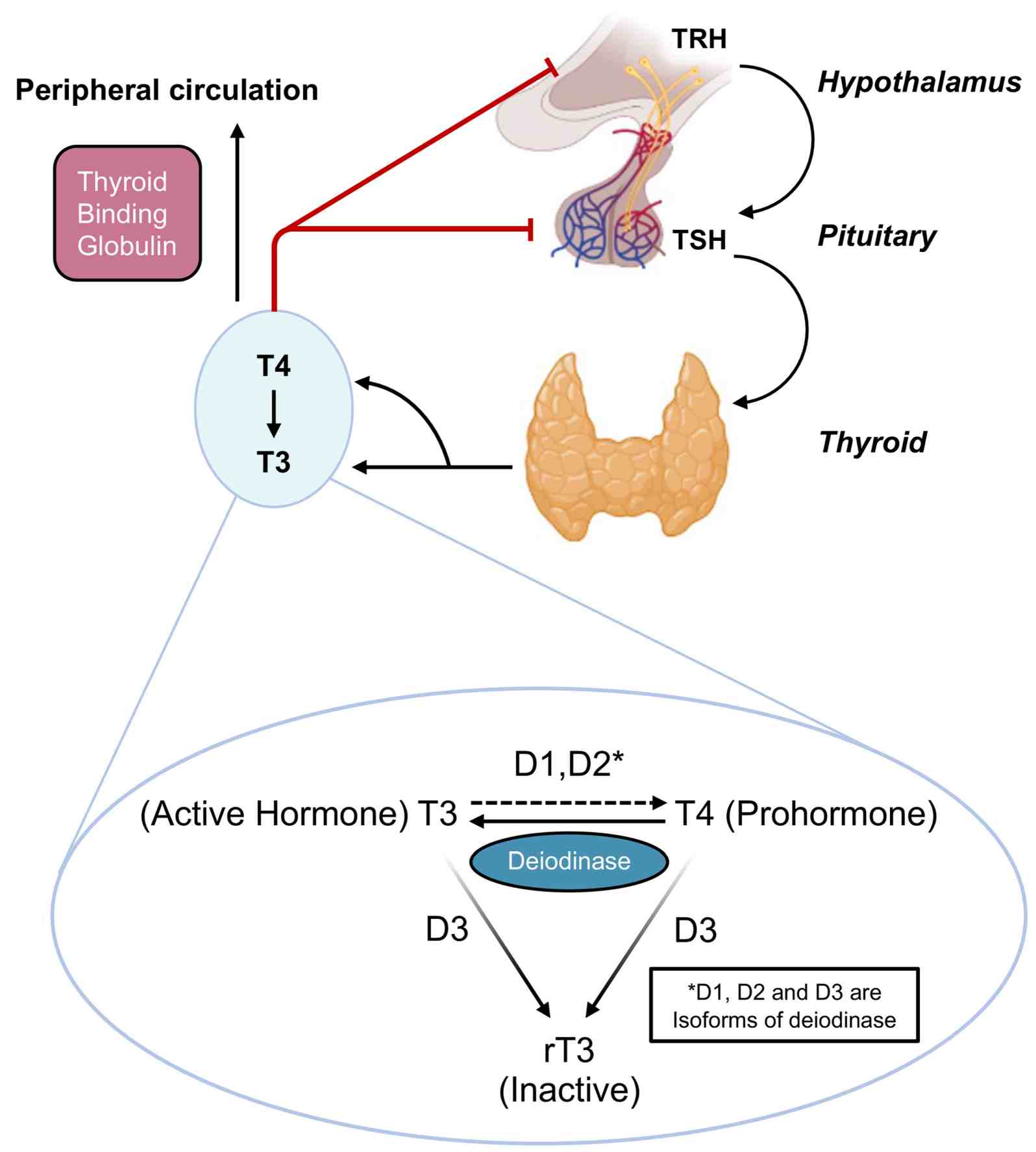 Fig.1 Hypothalamic-pituitary-thyroid axis. (Brown E D L, et al., 2023)
TSH: A Sensitive Screening Tool for Hypothyroidism
Thyroid-stimulating hormone (TSH) is the primary and most sensitive initial test for detecting primary hypothyroidism. Its pivotal role stems from its position in the pituitary-thyroid feedback loop, where it serves as an early warning system for thyroid dysfunction. Key aspects of TSH testing include:
Physiological Basis
TSH secretion from the pituitary gland increases in response to declining thyroid hormone production, making it a highly sensitive marker of thyroid failure.
Diagnostic Significance
An elevated TSH level represents the earliest laboratory abnormality in developing primary hypothyroidism, often preceding the appearance of clinical symptoms and changes in thyroid hormone levels.
Clinical Application
Measurement of TSH is recommended as the initial test in both symptomatic patients and screening protocols due to its high sensitivity (>95%) for detecting primary thyroid dysfunction.
Interpretation Considerations
While essential for diagnosing primary hypothyroidism, TSH measurement has limitations in assessing pituitary function and must be interpreted in clinical context, particularly during acute illness or pregnancy where specialized reference ranges apply.
Defining Hypothyroidism Stage with Free T4
While TSH serves as the initial alert for thyroid dysfunction, free thyroxine (Free T4) measurement is the crucial next step that confirms the diagnosis and defines the stage of hypothyroidism. As the biologically active, unbound fraction of thyroxine, Free T4 provides a direct assessment of the thyroid hormone available to tissues, making it the definitive marker for distinguishing between subclinical and overt disease. The integration of Free T4 results with TSH levels creates a precise diagnostic picture that directly guides clinical management decisions. Key applications of free T4 testing include:
- Diagnostic Confirmation: A low free T4 level in the presence of an elevated TSH provides definitive biochemical evidence of overt primary hypothyroidism, confirming the need for hormone replacement therapy.
- Disease Staging: The combination of an elevated TSH with a normal free T4 level establishes the diagnosis of subclinical hypothyroidism, representing a milder, earlier stage of thyroid failure where treatment decisions may be more nuanced.
- Therapeutic Monitoring: While TSH remains the primary monitor for treatment adequacy, free T4 provides additional valuable information in specific clinical scenarios, such as during pregnancy or when pituitary dysfunction is suspected.
Thyroid Antibody Testing for Hypothyroidism Etiology
When hypothyroidism is confirmed, thyroid antibody testing provides critical insights into its underlying cause, with a primary focus on identifying autoimmune thyroiditis (Hashimoto's disease) as the most common etiology. This testing directly detects the autoimmune attack on the thyroid gland by measuring specific antibodies, thereby moving beyond diagnosis to reveal the pathological driver of the condition and informing long-term management strategies. Key antibody targets include:
- Anti-Thyroid Peroxidase (TPO) Antibodies: These are the most sensitive and clinically relevant markers, with their presence confirming an autoimmune basis in the vast majority of cases of Hashimoto's thyroiditis.
- Anti-Thyroglobulin (Tg) Antibodies: While less specific than TPO antibodies, they serve as a useful secondary marker to support the autoimmune diagnosis, particularly in TPO-negative cases.
- Clinical Utility: A positive antibody test not only confirms an autoimmune etiology but also helps assess the risk of progression from subclinical to overt hypothyroidism and may be relevant in other clinical contexts, such as evaluating pregnancy-related thyroid dysfunction.
IVD Products for Hypothyroidism
Alta DiagnoTech offers a comprehensive suite of advanced in vitro diagnostic (IVD) solutions to support the complete clinical management pathway for hypothyroidism. Our robust test portfolio enables healthcare providers to achieve precise diagnosis, accurate disease staging, and reliable treatment monitoring through fully automated and standardized testing workflows. If you have related needs, please feel free to contact us for more information or product support.
| Product Name |
Technology |
Application |
| High-Sensitivity TSH Assay Kit |
Chemiluminescent Immunoassay (CLIA) |
Initial screening and diagnosis of thyroid dysfunction with exceptional low-end sensitivity. |
| Free Thyroxine (FT4) Quantitative Assay Kit |
Chemiluminescent Immunoassay (CLIA) |
Confirmation of hypothyroidism diagnosis and differentiation between subclinical and overt disease. |
| Anti-TPO Antibody Detection Kit |
Chemiluminescent Immunoassay (CLIA) |
Specific detection of anti-thyroid peroxidase antibodies for confirming autoimmune etiology (e.g., Hashimoto's thyroiditis). |
| Anti-Thyroglobulin Antibody Test Kit |
Chemiluminescent Immunoassay (CLIA) |
Supplementary detection of anti-thyroglobulin antibodies to support the diagnosis of autoimmune thyroiditis. |
| Automated Thyroid Function Testing Panel |
Automated Chemiluminescent Immunoassay System |
Comprehensive evaluation of thyroid status through simultaneous testing of TSH, FT4, and other relevant analytes. |
Reference
- Brown E D L, Obeng-Gyasi B, Hall J E, et al. The thyroid hormone axis and female reproduction[J]. International Journal of Molecular Sciences, 2023, 24(12): 9815.
This article is for research use only. Do not use in any diagnostic or therapeutic application.