Gestational diabetes mellitus (GDM) is a condition characterized by glucose intolerance that first develops or is identified during pregnancy, posing significant health considerations for both mother and baby. This resource provides a comprehensive guide to the established two-step diagnostic approach for GDM, detailing the procedures and interpretation of the initial glucose challenge test (GCT) and the definitive oral glucose tolerance test (OGTT), along with the essential role of precise glucose measurement in ensuring accurate diagnosis and effective management.
Overview of Gestational Diabetes Mellitus (GDM)
Gestational diabetes mellitus (GDM) is a metabolic disorder characterized by glucose intolerance that first emerges or is initially recognized during pregnancy, typically around the second or third trimester. This condition develops when the body cannot produce enough insulin to meet the increased metabolic demands of pregnancy, leading to elevated blood sugar levels. While GDM often resolves after delivery, it poses significant short-term risks including fetal macrosomia, birth complications, and neonatal hypoglycemia. Furthermore, it identifies both the mother and child at increased long-term risk for developing type 2 diabetes later in life, making timely screening, accurate diagnosis, and proper management crucial components of prenatal care.
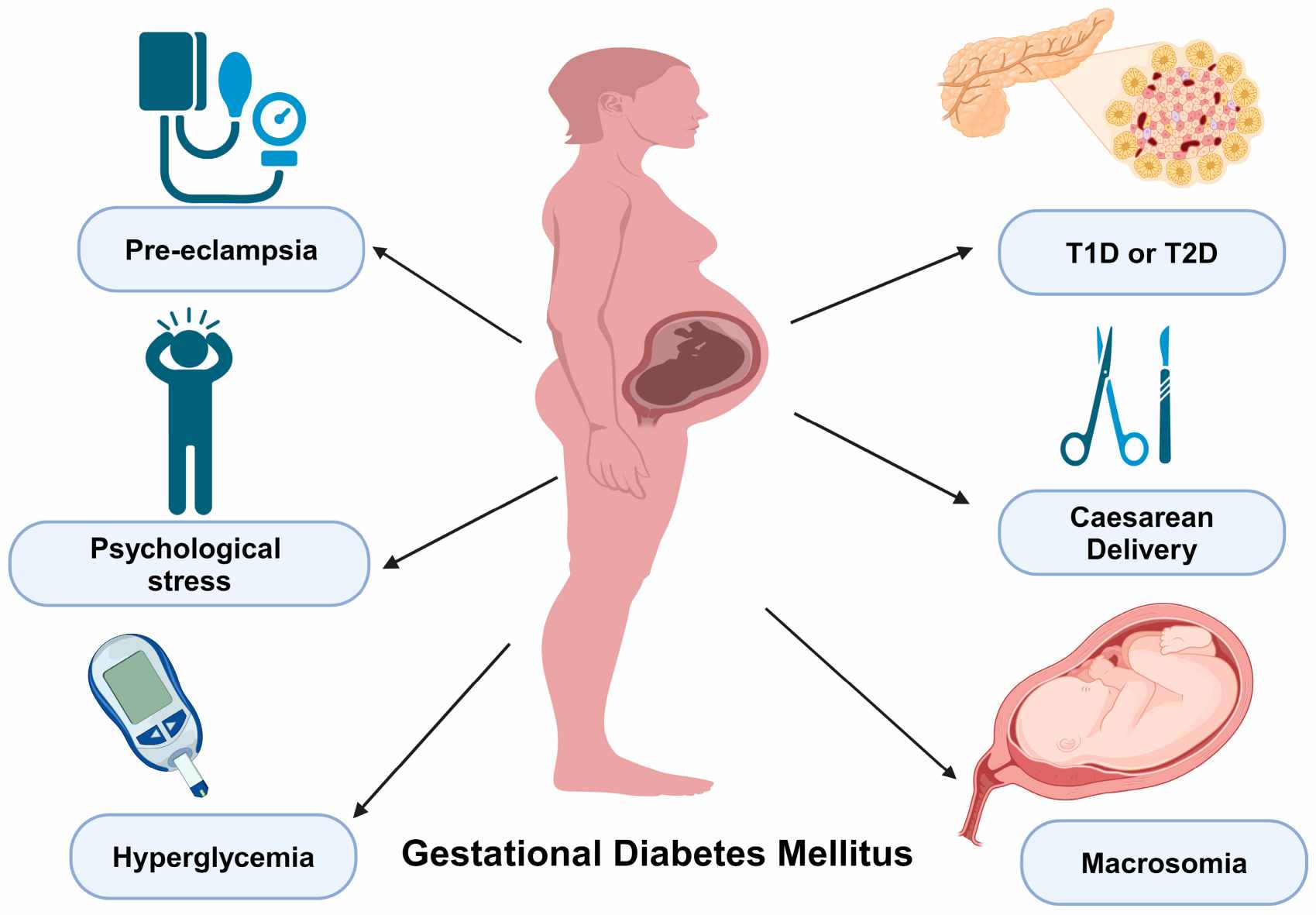 Fig.1 Outcomes of gestational diabetes mellitus (GDM) on mothers and offspring. (Mittal R, et al., 2025)
Initial GDM Screening: The Glucose Challenge Test
The glucose challenge test (GCT) serves as the primary, non-fasting screening tool for gestational diabetes mellitus (GDM), universally administered to pregnant individuals between 24 and 28 weeks of gestation. This initial step is designed to efficiently identify those at increased risk for glucose intolerance by measuring the body's ability to process a standard glucose load. The test involves drinking a 50-gram glucose solution, followed by a plasma glucose measurement exactly one hour later, without any requirement for prior fasting.
Procedure and Timing
The test is performed without fasting, making it practical for widespread screening. The 24-28 week window is chosen as insulin resistance typically peaks during this period due to placental hormone secretion.
Interpretation of Results
A plasma glucose value at or above 140 mg/dL (7.8 mmol/L) one-hour post-load is generally considered a positive screen. This indicates an increased risk of GDM and necessitates a definitive diagnostic test, the oral glucose tolerance test (OGTT).
Clinical Significance
A negative GCT result (below the cutoff) reliably rules out GDM for most of the remaining pregnancy in the vast majority of cases. Its high sensitivity ensures that few cases of GDM are missed at this crucial screening stage.
Definitive GDM Diagnosis: The Oral Glucose Tolerance Test
The oral glucose tolerance test (OGTT) is the definitive diagnostic procedure for gestational diabetes mellitus (GDM), administered following a positive initial screening result. This standardized test requires an overnight fast of 8-14 hours before measuring fasting plasma glucose, followed by ingestion of a 100-gram glucose solution with subsequent blood draws at 1, 2, and 3-hour intervals to assess the body's glucose metabolism under controlled conditions.
Diagnostic Criteria
GDM is confirmed when at least two of the four plasma glucose values meet or exceed established thresholds - typically fasting≥95 mg/dL (5.3 mmol/L), 1-hour≥180 mg/dL (10.0 mmol/L), 2-hour≥155 mg/dL (8.6 mmol/L), and 3-hour≥140 mg/dL (7.8 mmol/L) according to Carpenter-Coustan criteria.
Clinical Implementation
The test must be performed in the morning after 3 days of unrestricted diet and normal physical activity, with the patient remaining seated throughout the testing period to ensure accurate results.
Interpretation Significance
This comprehensive metabolic profile provides essential information for determining appropriate management strategies, including dietary intervention, glucose monitoring, and potential insulin therapy initiation to prevent maternal and fetal complications.
GDM Diagnostic Criteria: Interpreting Results
The diagnosis of gestational diabetes mellitus (GDM) is confirmed through specific diagnostic thresholds applied to the oral glucose tolerance test (OGTT) results. Using standardized criteria such as the Carpenter-Coustan values, GDM is diagnosed when at least two of the four plasma glucose measurements—fasting, 1-hour, 2-hour, and 3-hour post 100-gram glucose load—meet or exceed the established cutoffs. Accurate interpretation of these values is critical, as it directly determines clinical management strategies, guiding decisions on lifestyle interventions, glucose monitoring, and potential pharmacotherapy to mitigate risks for both mother and infant.
IVD Products for Gestational Diabetes Mellitus (GDM)
As a leader in endocrine diagnostics, Alta DiagnoTech offers a comprehensive suite of in vitro diagnostic (IVD) solutions to support the complete screening and diagnostic pathway for gestational diabetes mellitus (GDM). Our portfolio delivers precise, reliable results that enable clinicians to effectively identify glucose intolerance, confirm diagnosis, and monitor at-risk patients throughout pregnancy, ultimately contributing to healthier maternal and neonatal outcomes. If you have related needs, please feel free to contact us for more information or product support.
| Product Name |
Technology |
Application |
| Glucose Hexokinase Assay Kit |
Enzymatic Colorimetric Method |
Precise quantification of plasma glucose levels for GCT and OGTT in GDM screening and diagnosis. |
| HbA1c Point-of-Care Testing System |
Immunoassay-Based Cartridge |
Rapid assessment of intermediate-term glycemic control for identifying pre-existing hyperglycemia in early pregnancy. |
| Automated OGTT Sample Processing System |
Integrated Centrifugation & Aliquoting |
Streamlined handling of multiple blood samples during the 3-hour OGTT to ensure sample integrity and workflow efficiency. |
| Fructosamine Quantitative Assay |
Nitrotetrazolium Blue (NBT) Reduction |
Medium-term glycemic monitoring (2-3 weeks) as an adjunctive tool for managing insulin-treated GDM. |
| Urinary Glucose/Protein Dipstick Test |
Dry Chemistry Reagent Strip |
Routine prenatal screening for glucosuria and proteinuria as part of comprehensive pregnancy care. |
Reference
- Mittal R, Prasad K, Lemos J R N, et al. Unveiling gestational diabetes: an overview of pathophysiology and management[J]. International Journal of Molecular Sciences, 2025, 26(5): 2320.
This article is for research use only. Do not use in any diagnostic or therapeutic application.