Ewing sarcoma is a highly aggressive bone and soft tissue tumor characterized by specific chromosomal translocations, most notably the EWSR1- FLI1 fusion gene. This resource provides a comprehensive overview of the modern diagnostic approach for Ewing sarcoma, detailing the integrated workflow from clinical presentation through radiological evaluation to pathological confirmation. The following sections will systematically explore the essential roles of imaging techniques, histopathological examination, and crucially, molecular diagnostic assays in establishing an accurate diagnosis and guiding treatment decisions.
Overview of Ewing Sarcoma
Ewing sarcoma is a highly aggressive malignant tumor of bone and soft tissue, representing the second most common primary bone cancer in children and adolescents. It is characterized by a unique and defining molecular hallmark: a specific chromosomal translocation, most commonly t(11;22), which fuses the EWSR1 gene with an ETS-family transcription factor, typically FLI1. Diagnosis relies on a multidisciplinary approach integrating characteristic imaging findings, histopathology revealing a "small round blue cell" morphology, and mandatory molecular confirmation of the pathognomonic gene fusion to differentiate it from other small round cell tumors.
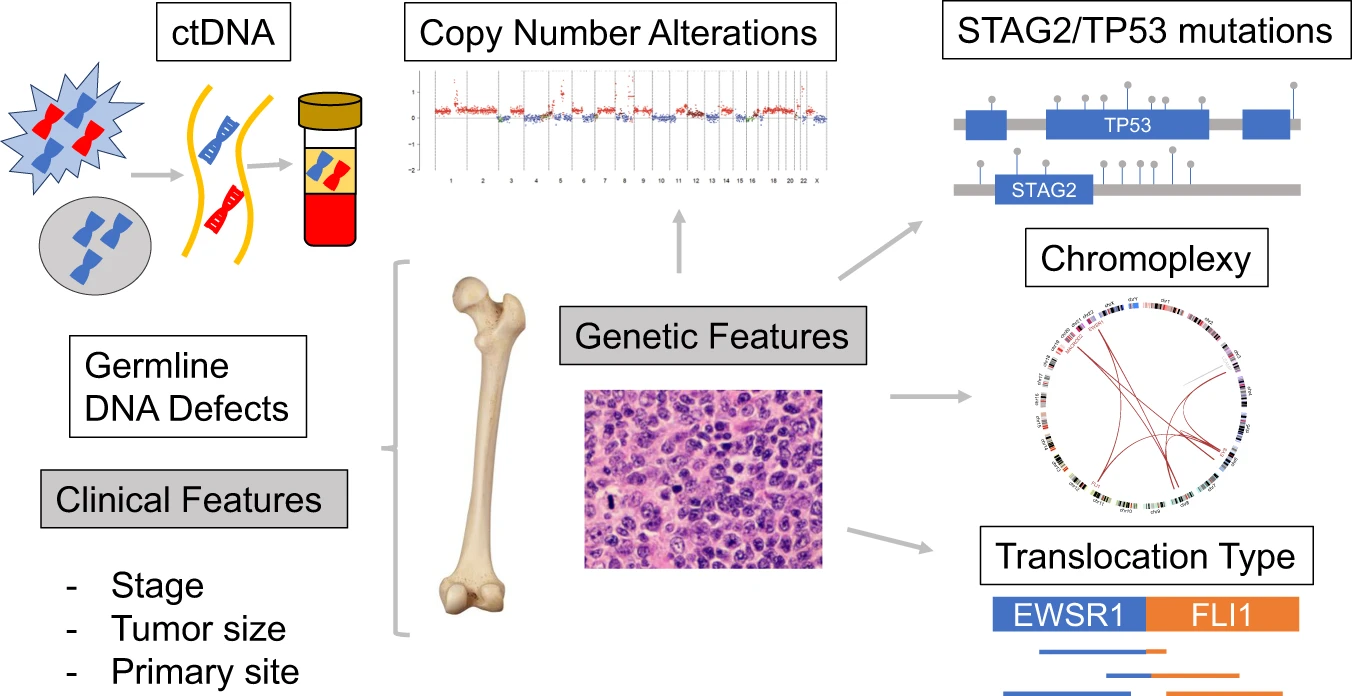 Fig.1 Potential prognostic biomarkers for Ewing sarcoma. (Shulman D S, et al., 2022)
Imaging of Ewing Sarcoma
Imaging plays a pivotal role in the diagnosis, staging, and follow-up of Ewing sarcoma, providing critical information about the location, extent, and characteristics of the primary tumor and potential metastases. It guides biopsy planning, assesses treatment response, and monitors for disease recurrence, forming an essential component of the multidisciplinary management approach.
- X-Ray (Radiography): The initial imaging study, often showing classic signs like a "moth-eaten" pattern of bone destruction and an "onion-skin" periosteal reaction.
- Magnetic Resonance Imaging (MRI): The gold standard for local staging, exquisitely detailing the intramedullary tumor extent, soft tissue mass, and involvement of neurovascular structures.
- Computed Tomography (CT): Excellent for evaluating the bony matrix and, crucially, for chest CT to detect pulmonary metastases.
- Positron Emission Tomography-Computed Tomography (PET-CT): A functional imaging tool vital for initial staging to identify skeletal and extra-skeletal metastases and for assessing metabolic response to therapy.
Histopathological Examination of Ewing Sarcoma
Histopathological examination forms the cornerstone of Ewing sarcoma diagnosis, providing the morphological foundation that, when combined with molecular studies, leads to a definitive diagnosis. This microscopic analysis of tissue obtained via biopsy reveals the tumor's characteristic cellular appearance and architecture, serving to narrow the differential diagnosis among small round blue cell tumors. Key histopathological features include:
- Small Round Blue Cell Morphology: Sheets of monotonous small cells with hyperchromatic nuclei and scant cytoplasm, demonstrating intense blue staining on H&E sections.
- Cytological Details: Uniform round nuclei with finely dispersed "salt-and-pepper" chromatin and inconspicuous nucleoli amid minimal pale cytoplasm.
- Architectural Patterns: Diffuse growth pattern, occasionally showing Homer-Wright rosettes with tumor cells arranged around central neuropil.
- Immunohistochemical Profile: Strong membranous CD99 positivity and nuclear NKX2.2 expression, while typically negative for myogenic markers (desmin, MYOD1).
It is critical to emphasize that the histopathological findings are not pathognomonic on their own. The definitive diagnosis of Ewing sarcoma requires corroboration with molecular genetic testing (such as FISH for EWSR1 rearrangements) to confirm the presence of the characteristic genetic translocation.
Molecular Assays and Emerging Biomarkers of Ewing Sarcoma
The molecular diagnosis of Ewing sarcoma has revolutionized its accurate identification, while emerging biomarkers continue to refine prognostic stratification and therapeutic approaches. This field represents the cornerstone of modern precision medicine for this aggressive malignancy.
Established Molecular Diagnostics
- EWSR1 Fusion Detection: The diagnostic gold standard remains identification of the characteristic EWSR1-ETS family gene fusion, most commonly EWSR1-FLI1 (t(11;22)(q24;q12)).
- FISH (Fluorescence In Situ Hybridization): Widely employed for detecting EWSR1 gene rearrangements, offering high sensitivity and rapid turnaround time for diagnostic confirmation.
- RT-PCR (Reverse Transcription Polymerase Chain Reaction): Effectively identifies the specific fusion transcript type, providing crucial prognostic information through variant characterization.
- Next-Generation Sequencing (NGS): Comprehensive genomic profiling enables simultaneous detection of EWSR1 fusions with various partners while identifying co-occurring genetic alterations.
Emerging Biomarkers and Applications
- Circulating Tumor DNA (ctDNA): Enables non-invasive monitoring of tumor burden and genetic evolution.
- Specific MicroRNAs (miR-34a, miR-145): Demonstrate differential expression with potential diagnostic and prognostic utility.
- Cell Surface Proteins (B7-H3, CD99): Expressed on tumor cells, enabling targeted immunotherapeutic approaches.
- TP53 Mutations: Genomic alterations associated with therapy resistance and poor prognosis.
Featured Products for Ewing Sarcoma Diagnostics
Alta DiagnoTech offers a comprehensive portfolio of molecular diagnostic solutions for Ewing sarcoma, enabling precise detection of characteristic genetic alterations and emerging biomarkers. Our robust reagent kits and integrated testing systems provide standardized, reproducible tools for definitive diagnosis, risk stratification, and therapeutic monitoring. If you have related needs, please feel free to contact us for more information or product support.
| Product Name |
Technology |
Application |
| EWSR1 Gene Rearrangement Detection Kit |
Fluorescence In Situ Hybridization (FISH) |
Primary diagnosis through detection of characteristic gene rearrangements |
| EWS-ETS Fusion Transcript Detection Kit |
Reverse Transcription PCR (RT-PCR) |
Identification of specific fusion variants for diagnostic confirmation |
| Sarcoma Comprehensive Molecular Profiling Panel |
Next-Generation Sequencing (NGS) |
Comprehensive genomic analysis including fusion detection and mutation screening |
| Circulating Tumor DNA (ctDNA) Monitoring Panel |
Digital PCR / NGS |
Minimal residual disease monitoring and treatment response assessment |
| CD99 Immunohistochemistry Detection Kit |
Immunohistochemistry (IHC) |
Diagnostic support through characteristic membranous staining pattern |
| TP53 Mutation Detection Kit |
Next-Generation Sequencing |
Prognostic stratification and therapy resistance assessment |
| B7-H3 (CD276) Expression Assay |
Immunohistochemistry / Flow Cytometry |
Identification of potential immunotherapy targets |
Reference
- Shulman D S, Whittle S B, Surdez D, et al. An international working group consensus report for the prioritization of molecular biomarkers for Ewing sarcoma[J]. NPJ precision oncology, 2022, 6(1): 65.
This article is for research use only. Do not use in any diagnostic or therapeutic application.